

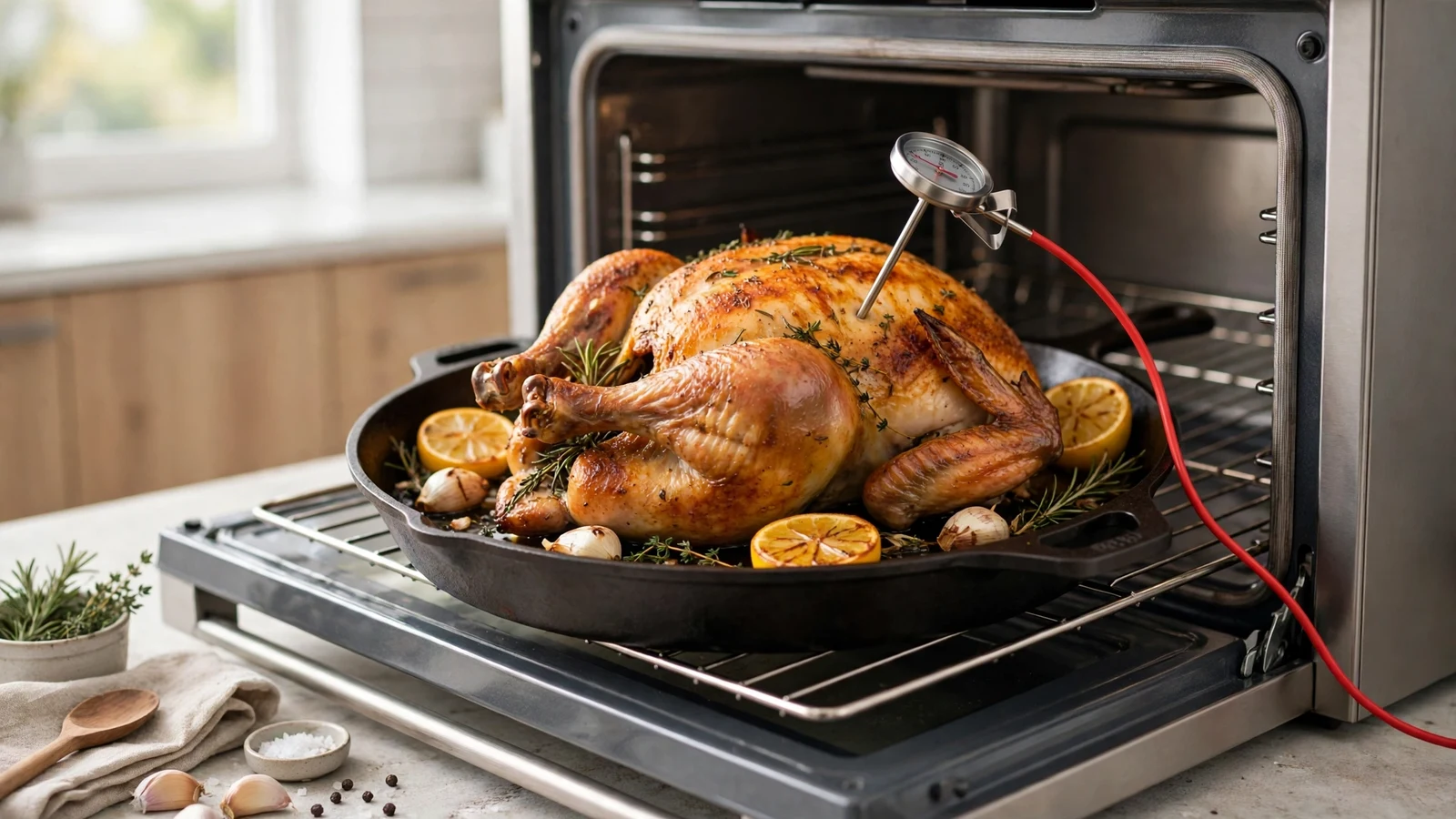
Wondering if you can put a meat thermometer in the oven without ruining your dinner or destroying your gear is a common kitchen dilemma. If you have ever stared at a dial thermometer while roasting a prime rib and worried the plastic dial might melt, you already know why this question matters so much for home cooks. Getting this wrong leads to melted plastic, ruined roasts, or wildly inaccurate temperature readings.
Fortunately, figuring out whether you can put a meat thermometer in the oven comes down entirely to understanding which devices are built for high heat. Throughout this piece, we will explore the different styles of kitchen probes, how to spot an oven-safe tool, and the best ways to cook your proteins to perfection without any kitchen disasters.
Understanding Oven-Safe Versus Instant-Read Thermometers
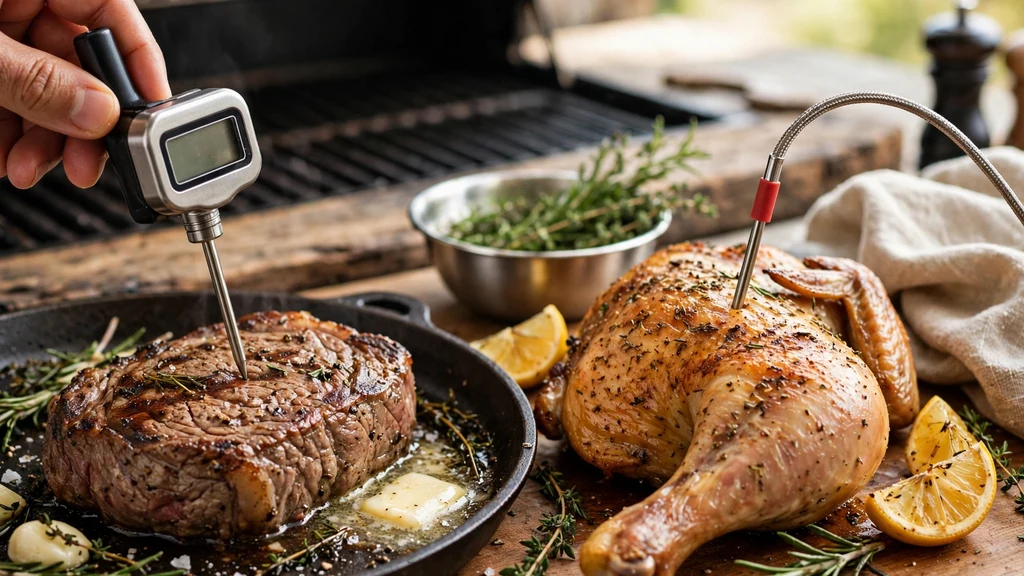
The short answer is yes, you can put certain models inside a hot roasting chamber, but definitely not all of them. The absolute biggest mistake home cooks make is tossing a standard digital instant-read thermometer directly into a hot roast and leaving it there. Those quick-read gadgets feature sensitive electrical components in the housing or handle that will fry within minutes under high heat.
Traditional dial-faced meat thermometers are usually designed to stay inside the roast throughout the entire cooking cycle. These mechanical units rely on a bimetallic coil inside the stem rather than fragile digital sensors. When evaluating your equipment, you must check the manufacturer markings or packaging to confirm your specific device is rated for high-temperature oven environments.
The Mechanics of Leave-In Probes
A true leave-in probe is engineered to withstand extreme roasting temperatures for hours at a time. These units typically feature a stainless steel cable attached to a sharp metal probe, running out of the oven door to a digital receiver or base unit sitting on the counter.
Because the main electronic display stays outside the hot chamber, you do not have to open the oven door repeatedly to check your food. This design preserves your oven’s ambient temperature and lets you monitor your roast continuously. Many modern versions even feature a programmable alarm that sounds the moment your food hits the target internal temperature.
| Thermometer Type | Oven Safe? | Best Used For |
|---|---|---|
| Standard Dial Leave-In | Yes | Long roasts, turkeys, and large cuts of beef |
| Cabled Digital Probe | Yes (Probe only, not display) | Precision roasting, smoking, and baking |
| Standard Digital Pocket Unit | No | Quick spot-checks at the end of cooking |
How to Choose the Right Tool for the Job
Selecting the right temperature monitoring tool depends heavily on what you are preparing in the kitchen. If you are roasting a whole chicken or a thick beef brisket, a dedicated oven-going model gives you peace of mind. For quick tasks like flipping burgers on a hot grill or searing a thin pork chop, a fast pocket gadget is much more practical.
High-end digital tools often rival laboratory equipment in terms of accuracy, but they require proper handling. If you want a deeper dive into professional kitchen standards and food safety protocols, you can read more about culinary guidelines via the United States Department of Agriculture official safety portal. Always match the tool to the cooking method to ensure reliable results every single time.
Proper Placement for Maximum Accuracy
Even the best equipment will fail to deliver if you stick it in the wrong spot. You need to accurately target the thickest part of the meat without touching any bones, fat pockets, or gristle. Bone conducts heat much faster than muscle tissue, which will give you a falsely high reading and leave your dinner undercooked.
For poultry, aim deep into the thickest part of the thigh, making sure you avoid the bone entirely. When roasting a large steak or a pork loin, center the tip right in the middle of the cut. Taking an extra moment to position the metal shaft correctly ensures you get a true reading of your temperature meat.
Common Mistakes That Damage Kitchen Gadgets
Many home cooks accidentally ruin expensive kitchen gear through simple handling errors. Exposing the plastic housing of a pocket reader to direct oven heat will warp the casing and fry the internal circuit board instantly. Similarly, running water over a hot stainless steel stem right out of the oven can cause thermal shock, cracking the internal sensors.
Another frequent error involves crimping or pinching the thin wire of a digital leave-in model inside the oven door. While the wire is wrapped in braided stainless steel and built to handle high heat, crushing it repeatedly will break the internal electrical connection. Always route the cable gently through the door gasket without forcing it.
Wireless Options and Modern Innovations
The culinary tech market has evolved far beyond traditional wired probes and analog dials. Today, completely wireless options feature Bluetooth or Wi-Fi transmitters housed entirely inside the stainless steel shaft. These smart devices let you monitor your dinner from your smartphone while relaxing in the living room.
While these advanced units are fantastic for long smoking sessions and high-heat roasting, you still must read the manufacturer instructions carefully. Some models are rated for standard kitchen ovens but may not handle the extreme radiant heat of a blazing charcoal fire pit. Always verify the maximum temperature threshold before dropping a smart probe into a searing-hot environment.
Tips for Maintaining Your Equipment
Taking care of your kitchen gear ensures it stays reliable for years of holiday roasts and Sunday dinners. After your food is cooked and the equipment has cooled down completely, wipe the metal stem with warm, soapy water. Never submerge the entire unit in water unless the manufacturer explicitly states it is fully waterproof.
Store your gear in a dry drawer where the delicate cables won’t get tangled or sharply bent. If your digital unit starts giving erratic numbers or fails to calibrate properly in ice water, it may be time to replace the battery or upgrade to a newer model. Routine maintenance keeps your cooking precise and dependable.
Cleaning and Calibration Best Practices
Maintaining precision requires occasional checks to confirm your equipment reads correctly. You can easily test your device at home by plunging the metal tip into a cup packed tightly with crushed ice and cold water. The display should settle right at thirty-two degrees Fahrenheit after about thirty seconds.
If the reading is off by more than a couple of degrees, look for a calibration button or reset function on your digital unit. For older mechanical dial models, look for a small adjustment nut on the back of the dial face. Keeping your gear properly calibrated ensures you never have to guess whether your food is safe to eat.
Frequently Asked Questions
Can I leave a digital probe in the oven while baking?
Yes, as long as you only place the metal probe and its heat-resistant wire inside the hot chamber. The main digital display unit must remain outside the oven because the plastic casing and internal screens cannot handle high ambient heat.
What happens if you put a regular instant-read thermometer in the oven?
Leaving a standard pocket reader inside a hot oven will quickly melt the plastic handle, warp the digital screen, and destroy the internal sensors. These tools are only designed for brief temperature spot-checks outside the heat source.
How do I know if my thermometer is oven-safe?
Check the manufacturer packaging, user manual, or engravings on the device itself. Leave-in dial models and cabled digital probes specifically state they are oven-safe, while digital pocket models usually warn against high-heat exposure.
Where should I insert the probe in a turkey?
Insert the metal tip into the thickest part of the breast or inner thigh, making sure it does not touch bone, gristle, or the roasting pan. Hitting a bone will give you a false high reading, resulting in undercooked meat.
Conclusion
Knowing whether you can put a meat thermometer in the oven saves you from ruined meals and melted equipment. By sticking to dedicated leave-in models and cabled probes while keeping instant-read tools out of the heat, you can roast with total confidence. Take a moment to check your gear before your next big dinner party so your meals turn out safely and deliciously cooked.