


Mastering a wireless meat thermometer how to use process takes your backyard barbecues and Sunday roasts from a guessing game to precision cooking. Getting tender, juicy results every single time comes down to proper probe placement and understanding your device’s connectivity.
When you finally understand a wireless meat thermometer how to use correctly, you remove the guesswork from long smoking sessions and high-heat searing.
Understanding Your Wireless Meat Thermometer
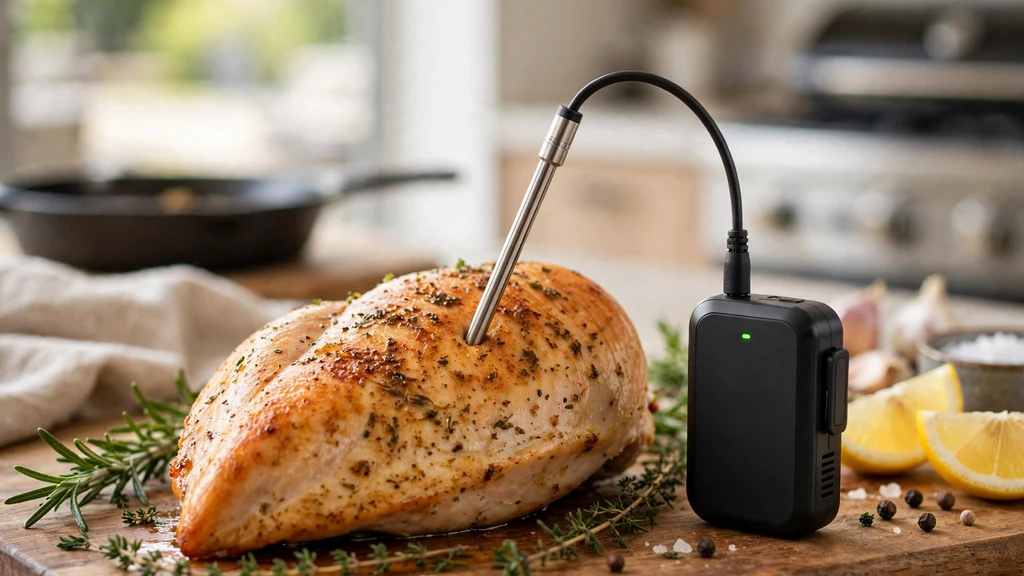
A wireless meat thermometer relies on Bluetooth or Wi-Fi technology to transmit live temperature data from inside your grill or oven straight to your smartphone or a remote handheld receiver. Unlike traditional wired models that keep your oven door cracked or tether you to the appliance, these modern tools feature a standalone stainless steel probe that houses internal sensors. One sensor measures the internal temperature of the food, while a second ambient sensor tracks the ambient heat surrounding the protein.
Most kits come with a charging block that doubles as a Bluetooth booster, extending your signal range significantly. This means you can monitor your brisket while watching the game inside, rather than standing guard over the smoker for twelve hours. Knowing how these devices communicate helps you troubleshoot dropped connections before your dinner ruins.
Preparing and Inserting the Probe Correctly
Proper probe placement dictates whether your meal turns out perfectly medium-rare or completely overcooked. You must insert the probe into the thickest part of the meat, making sure you avoid large bones, pockets of pure fat, and gristle, which conduct heat differently than muscle tissue. If your metal rod touches a bone, your reading will spike artificially, tricking you into pulling your roast way too early.
For most roasts and poultry, drive the tip straight into the center of the cut. With flat cuts like a steak or chicken breast, push the probe in horizontally from the side so the active sensing area rests right in the middle zone. Many smart wireless probes feature a safety notch indicating the minimum insertion depth, which protects the internal electronics from melting inside blazing hot environments.
Connecting to the Companion App
Pairing your hardware to your mobile device unlocks custom alerts and real-time graphs that track your culinary progress. Start by downloading the manufacturer’s official app onto your phone or tablet. Turn on your phone’s Bluetooth settings and remove your probe from its charging dock to activate it automatically.
Inside the software interface, select your specific type of protein and your preferred level of doneness. The software will calculate an estimated time remaining based on how fast the meat is absorbing heat. This predictive algorithm accounts for stall periods during low-and-slow cooks, helping you plan your side dishes so everything finishes simultaneously.
Placing Food in the Oven or Grill
Once your probe is locked in and synced with your phone, you are ready to transfer your food to the oven grill or smoker. Be mindful of maximum ambient heat limits specified by the manufacturer, as exposing a residential-grade electronic probe to direct flames or open charcoal beds can permanently fry the internal sensors. If you are searing over high heat, keep the probe pushed in deeply and monitor the ambient readings closely.
For extended smoking sessions on heavy-duty smokers, position your meat away from hot spots to ensure even cooking. The stainless steel construction handles standard cooking environments easily, but closing heavy lids too hard on exposed plastic caps can crack the housing. Always verify that your base station or signal repeater stays within range of the probe.
| Thermometer Type | Best Used For | Connectivity Range |
|---|---|---|
| Instant-Read Digital | Quick spot-checks on thin cuts | None (Handheld only) |
| Leave-In Wired | Oven roasts and standard baking | Limited by wire length |
| Smart Wireless Probe | Smokers, rotisseries, and large grills | Up to 500 feet via Bluetooth/Wi-Fi |
Monitoring Temperatures and Customizing Alerts
Active monitoring keeps you informed without requiring you to constantly open the lid and let valuable heat escape. As your internal temperature climbs, keep an eye on the ambient graph within your app to ensure your cooking vessel isn’t fluctuating wildly. Setting custom pre-alerts lets your phone ring when your brisket hits 160 degrees Fahrenheit, giving you plenty of time to prepare your butcher paper for the wrap.
You can also program alerts for ambient temp drops, which is particularly useful when your smoker runs out of pellets in the middle of the night. If you want to dive deeper into food safety guidelines and precise microbial destruction curves, consult the official USDA Food Safety and Inspection Service for scientifically backed temperature standards. These reliable safety metrics ensure every meal you serve is safe to eat.
Removing Meat and Resting Properly
Pulling your food off the heat source at the exact right moment is only half the battle; proper resting is what keeps the juices locked inside. When your app signals that your target temp has been reached, remove the meat from the heat source immediately. Residual cooking will continue to raise the internal temperature by several degrees while the protein rests on a cutting board or wire rack.
Leave the probe inserted while the meat rests so you can watch the thermal carryover in real-time. Once the temperature peaks and begins to slowly drop back down, the muscle fibers have relaxed and reabsorbed their moisture. Pulling the probe out too early lets steam escape, while cutting into the meat immediately leaves your platter swimming in delicious juices that belong inside the roast.
Cleaning and Maintaining Your Equipment
Proper post-cook maintenance extends the lifespan of your wireless hardware and prevents grease buildup from interfering with future wireless signals. Let the stainless steel probe cool down completely before washing it, as plunging a hot electronic sensor into ice-cold water can crack the ceramic components inside. Wash the probe by hand using warm, soapy water and a non-abrasive sponge, avoiding harsh steel wool that can scratch the casing.
- Never submerge the charging block in standing water.
- Wipe down the charging contacts regularly with a dry cloth.
- Store probes in their protective case to prevent bending.
- Check battery levels before every major cooking session.
Keeping your charging dock clean ensures your probes juice up properly between cooking sessions. Storing your gear in a cool, dry place protects the internal batteries from degrading prematurely.
Troubleshooting Common Connection Issues
Signal drops can happen when heavy metal grill lids block radio frequencies between your probe and your phone. If your app loses connection, move your Bluetooth repeater closer to the cooking appliance, or switch to a Wi-Fi bridge mode if your device supports it. Thick brick walls and double-paned glass windows can also weaken wireless signals significantly.
Sometimes, simply restarting the mobile app and toggling your phone’s Bluetooth on and off will re-establish a stable link. If your temperature readings fluctuate erratically, check the probe tip for grease buildup or ensure it isn’t resting against a dry bone pocket. Keeping your software updated to the latest manufacturer release also patches bugs that cause sudden pairing dropouts.
Frequently Asked Questions
Can I leave a wireless thermometer in the meat the whole time?
Yes, leave-in wireless probes are specifically designed to remain inside your meat throughout the entire cooking process, whether you are smoking a brisket for sixteen hours or roasting a chicken in the oven.
How do I clean my wireless meat thermometer safely?
Let the probe cool down completely, then wash it by hand using warm water and mild dish soap. Never submerge charging docks in water or place stainless steel probes in a dishwasher.
Why is my thermometer reading an inaccurate temperature?
Inaccurate readings usually happen when the metal tip touches a bone or sits in a pocket of fat rather than the thickest part of the meat muscle tissue.
Will high grill temperatures melt my smart probe?
Most quality probes feature high-temperature internal sensors rated up to 575 degrees Fahrenheit for the ambient end, though you should always check your specific manufacturer limits.
Conclusion
Mastering a wireless meat thermometer how to use workflow transforms your approach to everyday cooking and weekend barbecues alike. By placing your probes accurately, monitoring your cooks through companion apps, and respecting proper resting times, you unlock restaurant-quality results in your own kitchen. Treat your equipment to regular cleanings, keep your batteries charged, and enjoy consistently delicious meals.