

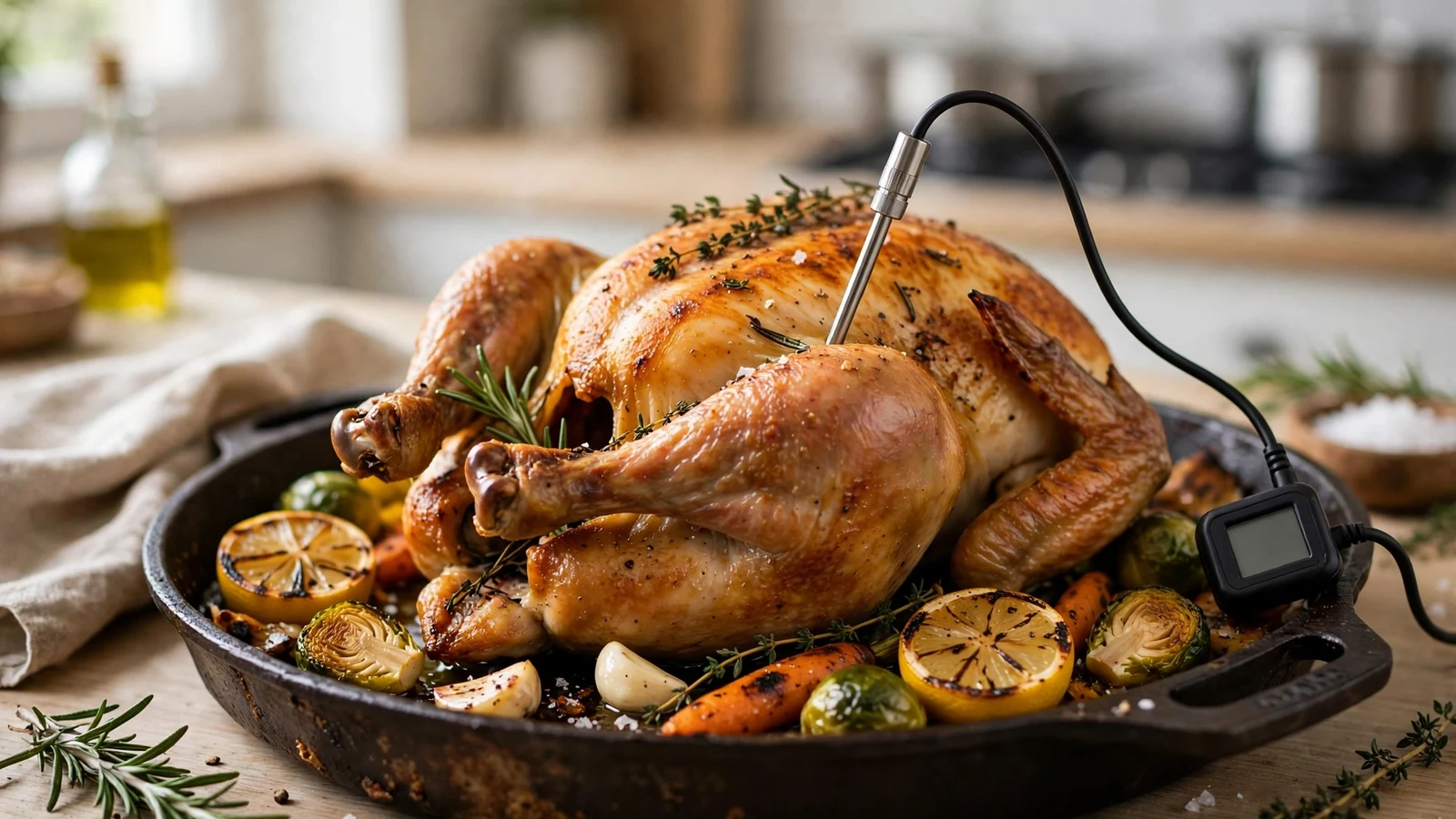
Wondering if can you leave thermometer in meat while cooking is a common concern when roasting a holiday turkey or grilling steaks for dinner. The short answer is yes, absolutely, provided you are using the correct type of device designed to withstand high oven or grill environments.
Using the right kitchen tools takes the guesswork out of preparing proteins. Getting a handle on how different probes function protects your meals from drying out and keeps your kitchen running smoothly.
Understanding Leave-In Versus Instant-Read Thermometers
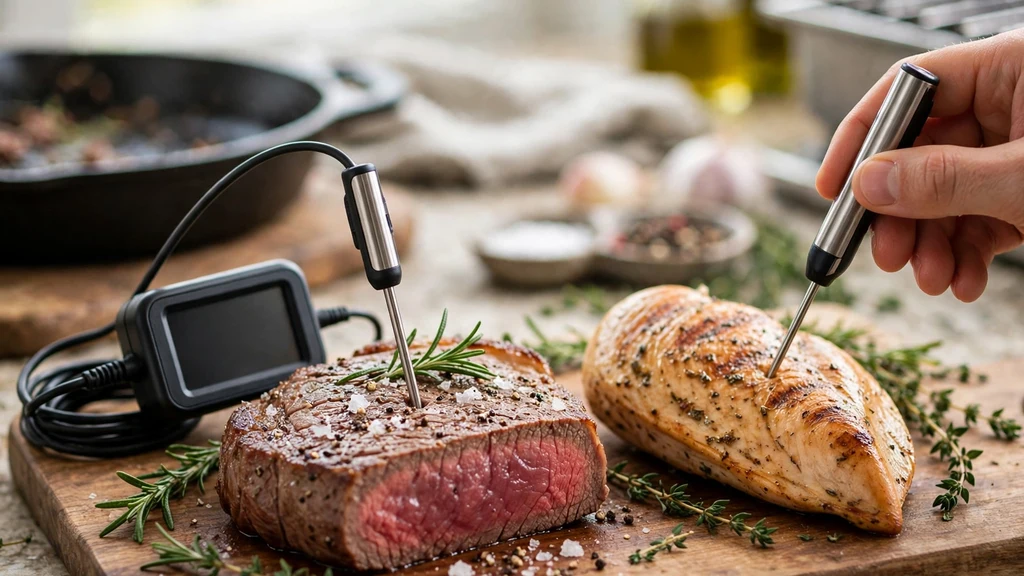
You can definitely leave certain models inside your food from start to finish, but others will melt or break if exposed to sustained heat. Knowing the difference between an instant-read unit and a leave-in probe prevents ruined equipment and poorly cooked dinners.
Instant-read tools feature a sensitive tip and are meant for quick temperature checks right before you pull a roast or steak off the heat. Leaving an instant-read model inside a hot oven will quickly ruin its electronic components or melt its plastic housing. Leave-in units, on the other hand, are engineered to endure high ambient temperatures for hours.
- Leave-in probes: Built with heat-resistant cables and stainless steel shafts that stay inside the oven.
- Instant-read devices: Designed for fast checks and must be removed immediately after taking a reading.
- Dial thermometers: Traditional mechanical gauges that can often stay in place, though they tend to lose calibration over time.
- Smart wireless sensors: Modern bluetooth gadgets that monitor meat remotely while sitting right inside the roasting pan.
Checking the manufacturer instructions before sliding a device into your roast saves you from replacing melted gear. Most modern kitchen thermometers clearly state whether they tolerate continuous heat or are meant strictly for spot-checking.
Materials and Heat Tolerance of Probes
The build quality of your cooking equipment dictates how it handles intense thermal energy. Stainless steel shafts combined with braided wire cables coated in silicone or Teflon withstand heat up to five hundred degrees Fahrenheit without failing.
Cheap plastic components near the sensor tip will warp or melt when exposed to direct flame or heavy radiant heat. Ensuring your probe is rated for high-heat applications keeps toxic materials out of your food and prevents electrical shorts.
When shopping for a reliable cooking tool, look for specifications regarding ambient versus internal limits. The metal rod can usually handle much higher heat than the cable or digital display unit attached to the other end.
Using Leave-In Probes in Ovens and Roasters
Roasting large cuts of beef, pork, or poultry benefits greatly from continuous monitoring. Inserting the probe into the thickest part of the meat—away from bone and fat pockets—gives you an accurate read throughout the cooking cycle.
Many home cooks wonder if the oven door crushing the thin wire cable will damage the device. High-quality braided cables are designed to withstand being gently closed inside a standard oven door without pinching the internal wires.
Monitoring your roast without opening the oven door saves valuable heat and keeps your cooking temperatures stable. This approach works especially well for slow-roasting prime rib, whole chickens, and bone-in pork shoulders.
Can You Leave a Thermometer in Meat on the Grill?
Grilling presents unique challenges because flare-ups can cause ambient temperatures to spike far higher than a standard oven. You can leave a heavy-duty probe in your meat on a grill, but you must keep the cable away from direct, open flames.
Lid-mounted dial gauges give you a general idea of grill chamber heat, but they do not tell you the actual doneness of your burgers or chicken breasts. Inserting a dedicated grill-safe probe into your meat lets you track progress while you manage the charcoal or gas burners.
Be cautious with magnetic display bases on hot grill lids or side shelves. Extreme heat can damage digital screens, so keeping the base on a stable, cooler surface nearby is always the safer bet.
Smart Technology and Wireless Monitoring
Modern cooking tech has evolved past simple dial gauges and wired probes. Bluetooth and Wi-Fi enabled devices now let you monitor internal meat temperatures from your smartphone while relaxing in another room.
These advanced tools often feature multiple sensors to track both the internal temperature of the food and the ambient temperature of your smoker or oven. According to the USDA Food Safety and Inspection Service, using a reliable food thermometer is the only way to guarantee harmful bacteria are destroyed during cooking.
Setting custom alerts on your phone prevents overcooking expensive cuts of meat like tenderloin or brisket. You can mingle with guests or prep side dishes without constantly running back to check the oven.
Common Mistakes When Monitoring Meat Temperature
Even with top-tier equipment, improper placement can lead to false readings and undercooked meals. Sticking the probe into a pocket of fat or right up against a large bone will skew your results because fat and bone conduct heat differently than muscle tissue.
Another frequent error involves failing to calibrate your device periodically. Testing your thermometer in boiling water and ice water ensures your readings remain accurate over months of regular use.
| Thermometer Type | Leave-In Safe? | Best Used For |
|---|---|---|
| Instant-Read Digital | No | Quick checks on steaks, chops, and thin cuts |
| Wired Remote Probe | Yes | Long roasts, smoking, and oven baking |
| Traditional Dial | Sometimes | Roasting large poultry and hams |
| Smart Bluetooth Sensor | Yes | Grilling, smoking, and precise oven monitoring |
Taking a moment to position your sensor correctly in the dead center of the cut eliminates guesswork. Clean the probe thoroughly after every use to prevent grease buildup from interfering with future readings.
Safety Guidelines for Different Proteins
Different meats require specific internal endpoints to ensure both safety and optimal texture and flavor. Poultry needs to reach higher numbers than beef or lamb to eliminate foodborne pathogens effectively.
Steaks and chops cooked to medium-rare offer a tender bite, while tougher cuts like chuck roast need to reach higher numbers to break down collagen. Tracking these milestones with a reliable leave-in device takes the stress out of holiday meals and weeknight dinners alike.
Always let your meat rest for a few minutes after pulling it from the heat source. Residual heat continues to cook the interior, raising the final temperature by a few degrees while the juices redistribute evenly.
Frequently Asked Questions
Is it safe to leave a meat thermometer in while cooking?
Yes, as long as you use a probe specifically designed for leave-in use. Standard instant-read models will melt or fail if left inside a hot oven or grill.
What temperature should chicken reach when cooked?
Whole chickens and parts should reach an internal temperature of one hundred sixty-five degrees Fahrenheit in the thickest part of the meat without touching bone.
How do I know if my thermometer is accurate?
Test your device in boiling water, which should read two hundred twelve degrees Fahrenheit, and in ice water, which should read thirty-two degrees Fahrenheit.
Can leave-in thermometer cables handle direct flame?
No, while the metal probes handle high heat, the cables and plastic bases should be kept away from direct flames and extreme flare-ups on the grill.
Conclusion
Knowing you can leave thermometer in meat while cooking transforms how you approach roasting and grilling. Armed with the right leave-in probe and proper placement techniques, you will serve perfectly cooked meals every single time.
Ready to upgrade your kitchen setup? Grab a reliable leave-in probe for your next roast and enjoy stress-free cooking.