

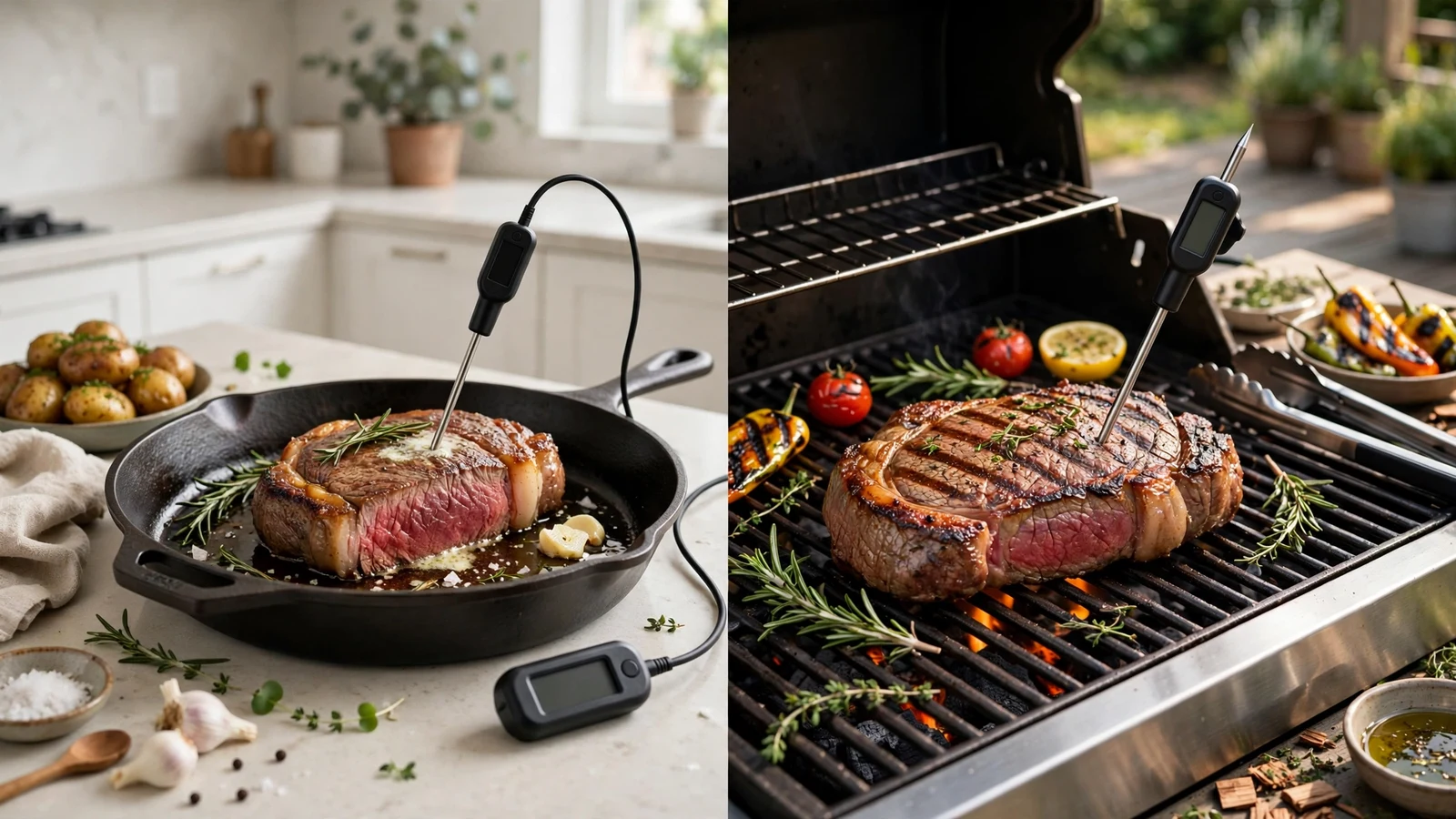
Finding out which meat thermometer is more reliable can make the difference between a juicy medium-rare steak and a dry, overcooked piece of leather. When you are standing over a hot grill or monitoring a slow-roasting brisket, you need to trust the numbers flashing on your screen.
Many home cooks struggle with inconsistent tools that give wildly different readings depending on where you poke the roast. Understanding which device delivers consistent accuracy helps you cook with total confidence every single time.
Understanding Digital Versus Analog Thermometers
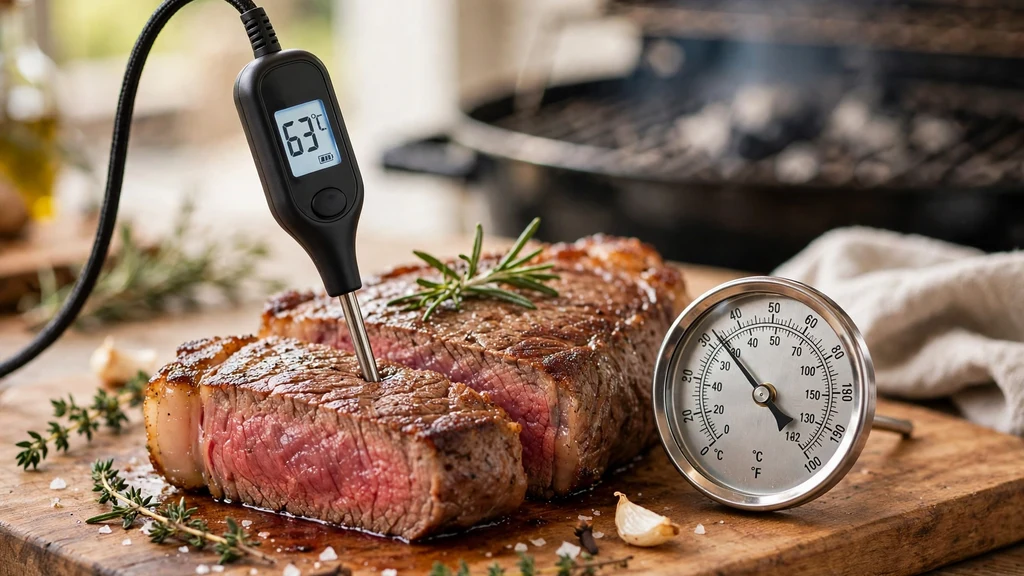
When evaluating which meat thermometer is more reliable, digital models almost always outperform traditional dial versions. Analog dial thermometers rely on a coiled bimetallic strip inside the metal stem that expands as heat rises. These older tools require deep insertion into the meat, often measuring an inch or more, which makes them notoriously inaccurate for thin cuts of meat like chicken breasts or pork chops.
Digital models use a small sensor at the tip of the probe to capture heat data. This lets you get a precise reading from just the very center of your cut. Dial thermometers also demand regular calibration in ice water, whereas digital alternatives usually come factory-calibrated and maintain their precision over years of heavy use.
The Superiority of Instant-Read Devices
An instant-read thermometer is indispensable for everyday cooking because it gives you a temperature reading in just a few seconds. If you want to know which meat thermometer is more reliable during a fast-paced weeknight dinner, look at the speed and response time of the sensor. High-end digital units register ambient and internal heat changes almost immediately.
Slow thermometers force you to stand with the oven door open, letting precious heat escape while you wait for the numbers to stabilize. Fast digital displays let you check multiple steaks on a blazing hot grill in seconds. That speed prevents overcooking and keeps your cooking environment stable.
Wired Probe Models for Long Smoking Sessions
For low-and-slow barbecue, a wired probe thermometer often provides better reliability than a standard handheld tool. These units feature a thin metal cable running from a probe inside the meat to a digital base unit outside the smoker. You can monitor large cuts like pork shoulders for hours without lifting the lid and losing vital smoke.
The continuous monitoring helps you track stall periods and adjust your heat source smoothly. While handheld units excel at quick checks, wired setups shine during all-day smoking projects. Many modern variants even feature smart connectivity to track trends on your phone.
Calibration and Maintenance for Maximum Accuracy
Even the most expensive cooking gadget will eventually fail if you do not maintain it properly. Testing your gear in boiling water or a cup of crushed ice is the easiest way to verify its calibration. Pure ice water should read exactly thirty-two degrees Fahrenheit, while boiling water should hit two hundred twelve degrees at sea level.
Cleaning your probes after every use prevents grease buildup that can insulate the sensor and skew your results. Never submerge the entire plastic body of a non-waterproof digital unit in dishwater. A simple wipe down with a damp cloth keeps the electronics safe while removing stubborn food residue.
Comparing Top Thermometer Categories
Different cooking styles demand different equipment. The table below compares the three main categories of food temperature tools based on speed, primary use cases, and overall reliability.
| Type | Speed | Best Use Case | Reliability Level |
|---|---|---|---|
| Digital Instant-Read | 2-4 seconds | Steaks, chicken breasts, quick checks | Very High |
| Wired Leave-In Probe | Continuous | Brisket, roasts, smoking | High |
| Analog Dial | 15-30 seconds | Deep frying, large turkeys | Moderate |
Key Features That Guarantee Long-Term Performance
When shopping for a reliable cooking tool, certain design elements separate professional-grade gear from cheap novelties. Waterproof housings prevent steam and washing water from destroying the internal circuit board. A clear, high-contrast screen with a bright backlight ensures you can read temperatures easily in dim backyard lighting or late-night kitchen sessions.
Consider these essential features before making a purchase:
- Water-resistant or waterproof construction for easy cleaning
- Auto-off functionality to preserve battery life
- A narrow probe tip that minimizes juice loss
- Wide operating ranges covering sub-zero to high heat
- Durable housing materials that withstand accidental drops
Common Mistakes That Lead to Bad Readings
User error frequently ruins even the most precise kitchen tools. Inserting the probe into a pocket of pure fat or right against a bone will give you a false high reading that does not reflect the actual doneness of the meat. You always want to target the thickest part of the muscle, avoiding both bones and gristle.
Another common mistake is failing to insert the probe deep enough. Most digital models require you to push the metal stem past the halfway point, right into the core of the roast. If you only pierce the surface, you are essentially measuring the outer heat rather than the internal temperature.
Investing in Quality for Kitchen Safety
Choosing a dependable temperature tool is not just about culinary perfection; it is also a vital matter of food safety. Undercooked poultry can harbor harmful bacteria like salmonella, making precise tracking mandatory for family health. Investing in a trusted device ensures your meals are both delicious and safe to eat.
For more detailed guidance on safe cooking practices and internal targets, check out the United States Department of Agriculture food safety guidelines. Quality gear gives you peace of mind every time you feed a crowd.
Frequently Asked Questions
What type of meat thermometer is most accurate?
Digital instant-read thermometers with thermocouples are generally the most accurate. They feature tiny sensors at the tip that respond rapidly to minute temperature changes, providing precise data within seconds of insertion into your food.
How often should I calibrate my cooking thermometer?
You should test your device every few months or whenever it has been dropped. Performing a simple ice-water test takes less than a minute and confirms whether your equipment still delivers trustworthy numbers.
Can I leave an instant-read thermometer in the oven?
No, standard instant-read models contain plastic components and digital screens that will melt or fail under high oven heat. Only use leave-in wired probes designed specifically for prolonged exposure inside hot ovens or smokers.
Conclusion
Choosing which meat thermometer is more reliable comes down to matching your cooking style with the right technology. Prioritizing digital speed and proper probe placement ensures you never have to guess whether dinner is done. Take care of your equipment, test it regularly, and enjoy perfectly cooked meals every time.