

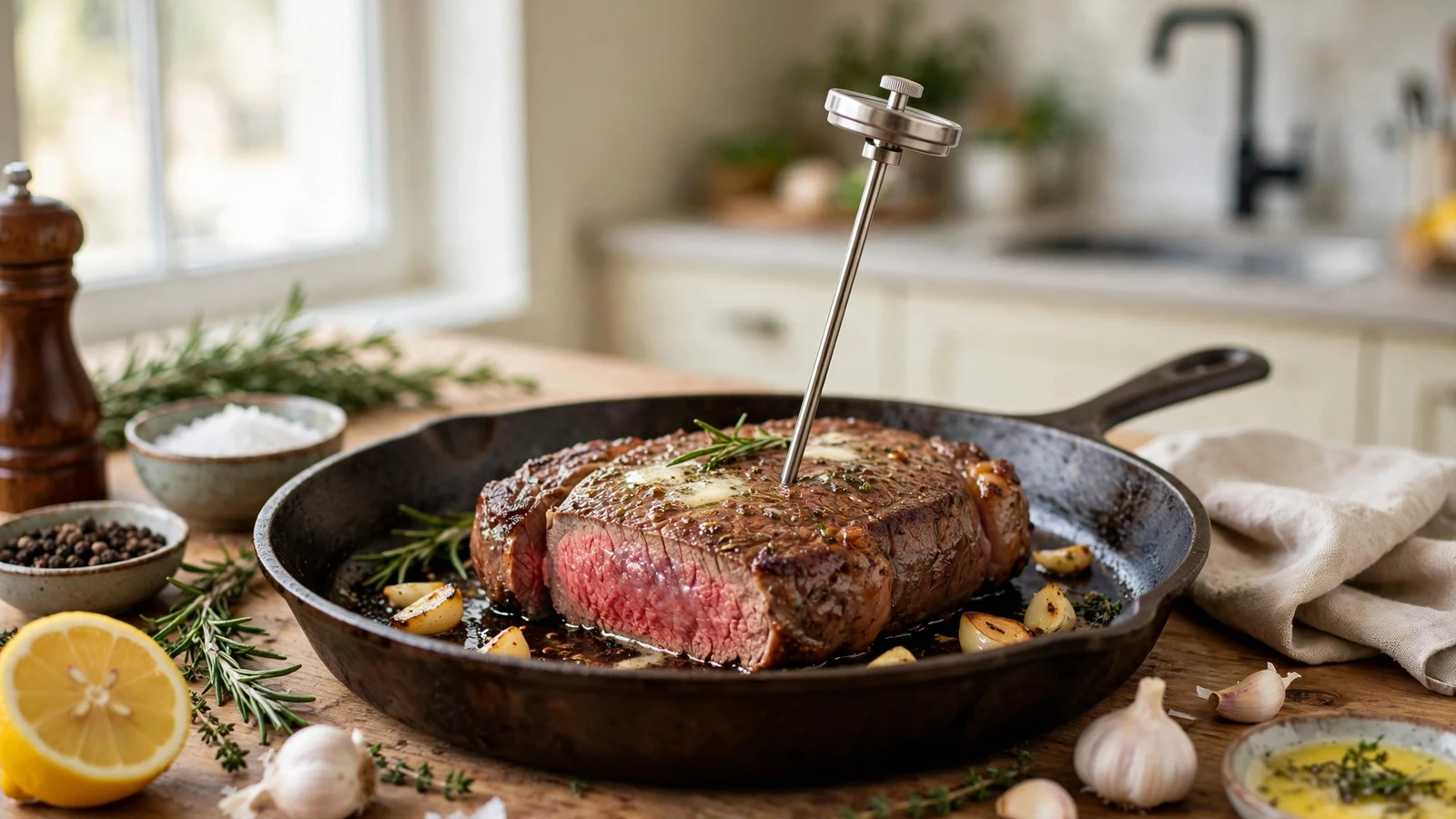
Realizing you are about to roast a thick cut of beef or grill a batch of chicken without your trusty digital gauge can cause instant panic. Standing in your kitchen wondering what to do if you don’t have a meat thermometer is a common culinary dilemma that forces home cooks to rely on sensory cues and ancient kitchen wisdom rather than precise numbers. Professional chefs often cook large quantities of protein daily without relying entirely on digital gadgets, using instead an intuitive understanding of heat transfer and meat biology.
You do not need to ruin dinner just because your kitchen tool is missing or broken. Several reliable techniques can help you figure out if your meal is properly cooked without any special gear.
The Tactile Hand Test for Steak and Beef
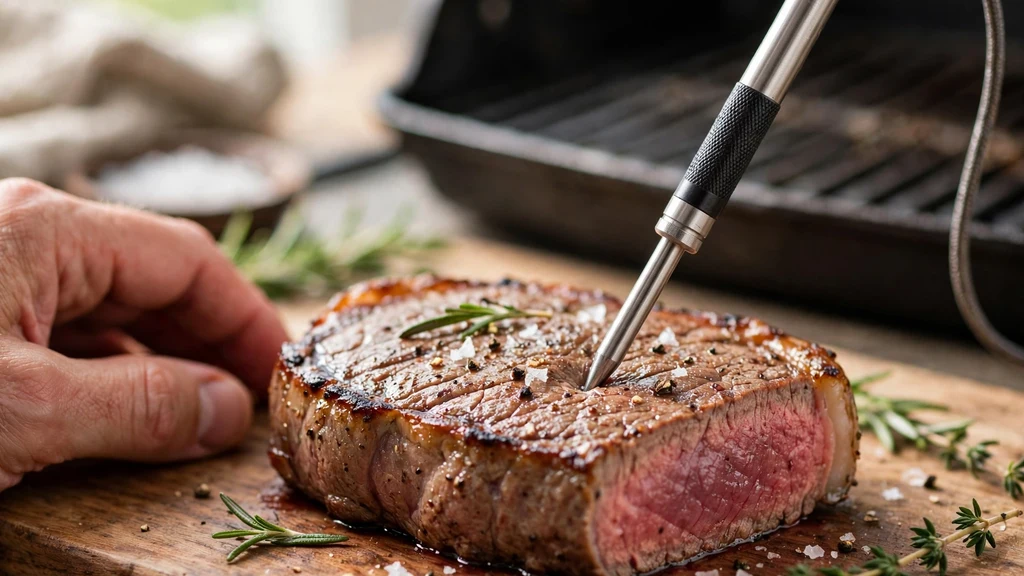
The flesh of your hand mimics the changing firmness of beef as it cooks from rare to well-done. Testing your steak with your fingers is a time-honored trick that requires zero equipment and takes only a second.
To try this method, relax your hand completely and touch the fleshy part of your palm right below your thumb. That squishy, soft texture feels just like a rare piece of beef. If you gently touch your thumb to your index finger, that same part of your palm tightens up slightly, matching the springy bounce of medium-rare meat.
Touching your thumb to your middle finger gives you a medium texture, while the ring finger corresponds to medium-well. Finally, touching your thumb to your pinky finger makes that muscle rock hard, which tells you a steak is thoroughly well-done.
Press your finger against your cooking steak and compare that resistance to your hand. It takes a little practice, but your fingers will quickly learn to judge doneness accurately.
Visual Cues and Color Changes in Poultry
Chicken and turkey demand caution because undercooked poultry carries serious food safety risks, making visual inspection especially critical when you’re lacking specialized gear.
Cutting into the thickest part of the meat allows you to inspect the juices and the interior shade. Clear juices indicate that the proteins have coagulated fully and the bird is likely safe to eat. Pink or cloudy red juices mean you need to keep that skillet or oven running a bit longer.
You can also pull back the skin or make a small incision near the bone where heat penetrates last. If the meat still looks glossy, translucent, or pink near the joint, it’s not ready. Keep in mind that older birds sometimes retain a slight reddish tint near the bone even when fully cooked due to bone marrow reactions, so always look at the texture of the flesh itself rather than color alone.
The Fork and Lip Touch Test
An old restaurant trick involves using a metal skewer, fork, or knife to gauge internal heat transfer through conduction.
Insert a metal skewer directly into the core of your roast, steak, or chicken breast for about ten seconds. Pull the metal out and carefully touch the shaft against the sensitive skin just below your bottom lip or on the inside of your wrist. If the metal feels cold, the meat is still raw inside.
If it feels lukewarm or tepid, you are looking at a rare or medium-rare state. When the metal feels hot to the touch, the interior has reached a higher temperature associated with medium or well-done results. This method takes advantage of metal’s high thermal conductivity, effectively turning a simple kitchen fork into a makeshift sensor.
Resting Times and Carryover Cooking
Understanding thermal dynamics helps you estimate doneness by factoring in the rest period after heat exposure ceases.
Meat continues to cook after you remove it from the heat source because the outer layers remain much hotter than the core. This phenomenon means a roast will typically rise in temperature by five to ten degrees while resting on the cutting board. If you pull your protein off the heat slightly early, carryover cooking finishes the job while keeping the center juicy.
Letting a steak rest for five to ten minutes also allows muscle fibers to relax and reabsorb moisture instead of spilling all over your plate. For reliable guidance on safe culinary practices, consult the USDA Food Safety and Inspection Service for standard safety parameters.
| Protein Type | Visual Sign | Tactile or Physical Cue |
|---|---|---|
| Chicken Breast | Juices run completely clear | Flesh is opaque white throughout |
| Beef Steak | Darkened exterior, slight shrinkage | Firm springiness matching palm test |
| Pork Chop | Opaque white with faint pink tint | Firm resistance when pressed |
| Whole Fish | Flesh flakes easily with a fork | Opaque appearance along the backbone |
Alternative Household Tools You Might Have
Sometimes you might have access to alternative measuring devices in your junk drawer or medicine cabinet that can save the day.
Standard glass or digital fever thermometers are generally not designed for high heat and will likely melt or break inside a hot oven. However, specialized candy or deep-fry candy tools can measure high ranges if you are boiling liquids or deep-frying. If you happen to own an infrared surface scanner, it will tell you how hot the outside of your pan or meat is, though it cannot read internal values.
Be cautious with non-food items, as plastics or glass not rated for cooking can shatter or leach chemicals into your meal. When in doubt, stick to physical touch tests and visual indicators rather than risking a broken thermometer in your dinner.
Flakiness and Opacity in Seafood
Fish behaves entirely differently from land animals under heat, making visual and structural inspection much easier for home cooks.
Raw fish looks translucent and feels gelatinous, but heat causes muscle proteins to denature and bundle up, turning the flesh opaque. Pressing a fork gently into the thickest fillet section reveals whether the segments separate easily along the natural protein lines. If the fish flakes apart and loses its glossy sheen, it is ready to come off the burner.
Overcooked fish turns rubbery and dry very quickly, so learning to spot this flakiness threshold prevents ruined meals. Shrimp and scallops provide similar visual clues, curling into tight C-shapes and turning pearly white when fully done.
- Watch for the meat to shrink slightly away from the edges of the pan.
- Check that juices run clear rather than pink or cloudy.
- Press the surface to feel for increased firmness and springiness.
- Insert a metal skewer and test the temperature against your wrist.
- Allow adequate resting time for carryover cooking to finish the process.
Preventing Dryness Without Precision Tools
Cooking without direct metrics increases the risk of overcooking, so implementing protective culinary strategies keeps your protein moist.
Basting meats with pan juices, butter, or marinades adds surface moisture and slows down rapid drying. Covering roasting pans with foil during the first half of cooking traps steam and ensures even heat distribution before browning the exterior.
Slicing meat against the grain rather than with it makes even a slightly overcooked steak feel tender in the mouth because short muscle fibers are easier to chew. Paying close attention to timer durations based on weight and thickness provides a dependable baseline, preventing you from constantly stabbing your protein and losing precious juices.
Frequently Asked Questions
Can I use a regular fever thermometer for meat?
No, standard medical thermometers are not built for high oven temperatures and cannot measure internal food safety ranges accurately. Using them in hot meat can melt the plastic housing and ruin the device entirely.
How do I know if chicken is done without tools?
Check the juices by piercing the thickest part of the breast. Clear juices indicate doneness, while pink or red liquid means the bird needs more time on the heat source.
Does resting meat really matter if I have no gauge?
Resting is essential because it allows hot internal juices to redistribute evenly throughout the muscle fibers. Cutting meat immediately causes all the moisture to run out onto the cutting board.
Is the hand touch test reliable for steaks?
The hand test is surprisingly accurate once you practice matching hand firmness to different cooking levels. It provides a quick and reliable tactile baseline when your digital tools are unavailable.
Conclusion
Navigating a kitchen puzzle when you lack proper gear is simply part of becoming a more intuitive and confident home cook. Relying on sensory cues, tactile hand tests, and visual indicators teaches you to connect with your food on a deeper level. Next time you find yourself wondering about doneness without your usual gadgets, trust your senses and give these time-tested methods a try.