

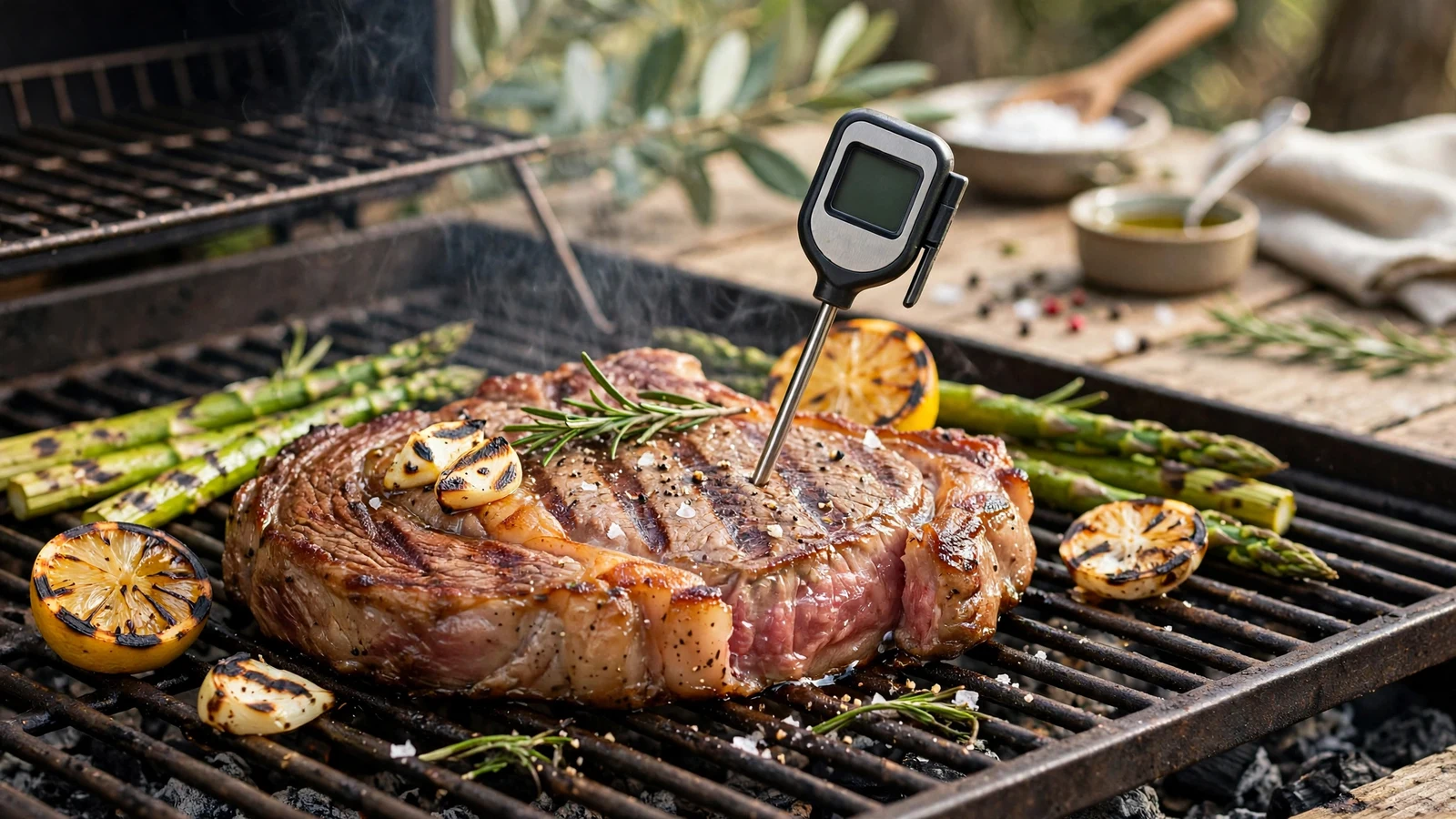
If you’ve ever cut into a chicken breast only to find it bone-dry, or worse, still pink in the middle, you already know why knowing what a meat thermometer used for matters so much. Guessing your dinner’s readiness by touch or color is a recipe for kitchen disasters and food safety risks. A reliable food thermometer takes the guesswork out of the kitchen, helping home cooks serve juicy, perfectly done proteins every single time without second-guessing.
Getting comfortable with these handy gadgets changes how you approach everyday meals and holiday roasts alike. Instead of crossing your fingers when you pull a pan from the oven, you’ll have exact data right at your fingertips.
Understanding the Basics of Food Safety and Doneness
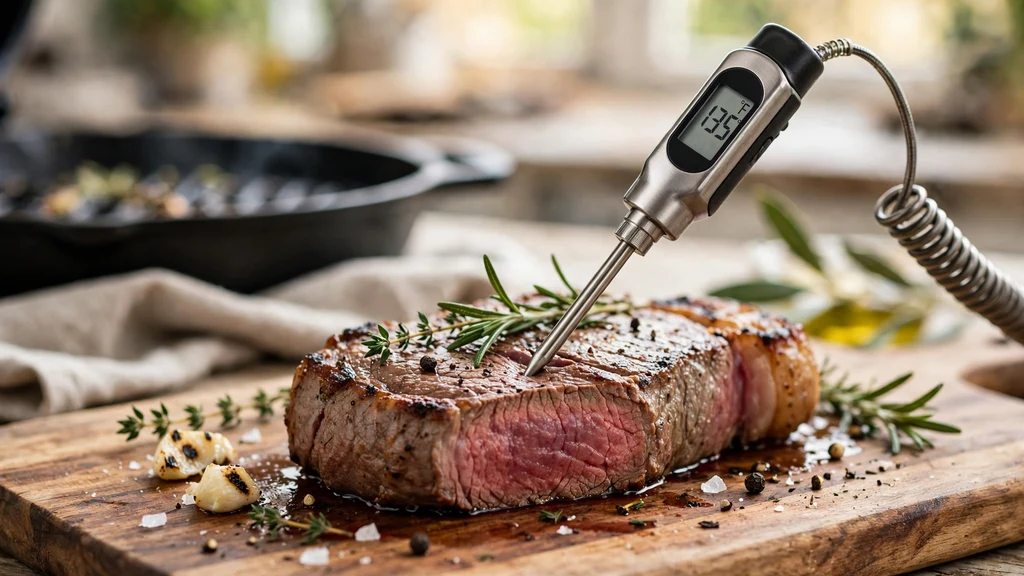
At its core, a meat thermometer is designed to measure the internal temperature of animal proteins while they cook. This single metric tells you two vital things: whether your meal has reached a safe threshold to kill harmful bacteria, and whether it has attained the ideal texture and juiciness. Relying on visual cues like juices running clear simply doesn’t work, because meat can change color before or after it hits the proper thermal zone.
When you start using a temperature gauge, you protect your family from foodborne illnesses while also protecting expensive cuts of beef or pork from overcooking. Different animals and cuts require distinct thermal targets to taste their best. For instance, ground beef needs a higher degree of heat than a solid steak because bacteria can be mixed throughout the cut during the grinding process.
The Different Styles Available on the Market
Kitchen gadgets come in several distinct formats, and picking the right one depends entirely on your personal cooking style. Traditional dial models feature a circular gauge face and take a bit longer to register heat, but they require no batteries and work reliably in a pinch. On the other hand, a modern digital version gives you a rapid, crystal-clear display within seconds, making it a favorite for busy weeknight dinners.
You can also find leave-in probes connected to base units by a wire cable, which allow you to monitor roasts inside a hot oven without opening the door. Infrared models might look futuristic, but they only measure surface heat, meaning they aren’t useful for checking the deep interior of a thick roast. Choosing the right device ensures you get a trustworthy reading without fussing with complicated machinery while your kitchen fills with smoke.
Comparing Common Kitchen Thermometers
| Thermometer Type | Best Used For | Speed | Leave-In Capability |
|---|---|---|---|
| Digital Instant-Read | Steaks, chicken breasts, quick checks | 2–5 seconds | No |
| Leave-In Probe | Large roasts, whole turkeys, smoking | Continuous | Yes |
| Dial Oven-Safe | Braising, large cuts of beef | 30–60 seconds | Yes |
| Candy/Deep Fry | Sugar syrups, hot oil for frying | Fast | Yes (clipped to side) |
How to Properly Insert a Probe for Accurate Readings
Having a high-end device won’t help if you jam it into the wrong spot. To get an accurate reading, you must insert the metal point into the thickest area of the meat. Avoid letting the tip touch any fat pockets, large gristle, or the metal cooking vessel, as these elements conduct heat differently and will give you a false high reading.
For whole birds like chicken or turkey, push the metal shaft into the inner thigh muscle without hitting the bone. With steaks and pork chops, enter from the side rather than the top so you can reach the true center easily. If you want to dive deeper into proper culinary safety guidelines, the USDA Food Safety and Inspection Service offers comprehensive charts on safe minimum internal temperatures for every type of protein.
Cooking Techniques That Rely on Thermal Precision
Certain culinary methods demand precise thermal tracking to succeed. Smoking a brisket or a pork shoulder over low heat for twelve hours requires constant monitoring to manage the connective tissue breakdown. Without a reliable gauge, you’d have to rely purely on elapsed time, which varies wildly depending on wind, humidity, and the specific cut of meat.
Baking large holiday roasts also benefits immensely from this tool. When you pull a prime rib out a few degrees early and let it rest, carryover heat finishes the job while keeping the center rosy and tender. Below are the common cooking methods where monitoring internal heat is practically mandatory:
- Low-and-slow barbecue smoking for pork shoulders and beef briskets
- Roasting whole poultry for holiday dinners and family gatherings
- Pan-searing thick cuts of steak to a specific medium-rare finish
- Deep frying whole turkeys in hot oil safely
- Braising tough cuts of beef until collagen fully melts
Common Mistakes People Make When Checking Doneness
Even experienced home cooks sometimes fall into bad habits that ruin their measurements. One major error is checking the meat while it sits directly over a roaring burner or open flame, which can overheat the sensor casing and damage digital components. Another mistake is failing to calibrate your device periodically in ice water or boiling water to make sure it still reads correctly.
Rushing the measurement process leads to mistakes, too. You need to give the digital numbers a few seconds to stabilize before you decide whether the meal is finished. Taking shortcuts here usually results in dried-out dinners or undercooked meals that end up back in the pan.
Why Resting Meat Matters After Temperature Checks
Pulling your food off the heat is only half the battle. Once your gauge confirms the target heat has been reached, you must let the protein rest on a cutting board before slicing into it.
During the cooking process, muscle fibers contract and push moisture toward the center of the cut. Giving the roast ten to fifteen minutes of rest allows those fibers to relax and reabsorb the savory juices.
If you slice a steak the exact second it comes off the grill, all those delicious juices will spill out onto your cutting board instead of staying inside the meat. Using your gadget to remove the protein slightly early accounts for this resting phase, ensuring your food stays moist and tender when it finally reaches the table.
Choosing the Right Device for Your Kitchen Budget
You don’t need to spend a fortune to get reliable results in your home kitchen. Basic digital models offer quick, precise numbers without unnecessary Bluetooth apps or extra features that drive up the price. Consider how often you cook large roasts versus quick weeknight skillet meals before investing in an expensive multi-probe smart system.
Durability matters far more than flashy designs. Look for water-resistant casings, easy-to-read screens, and sturdy stainless steel probes that can handle the rigors of regular kitchen cleanups. A solid, mid-priced tool will easily last for years with proper care and battery replacement.
Frequently Asked Questions
Can I use a meat thermometer for humans?
No, you should never use a kitchen probe to check human body temperature. Culinary devices are calibrated for higher heat ranges and often have thick metal shafts that are unsafe, unhygienic, and inaccurate for medical use.
Do I really need a meat thermometer?
While you can cook without one, a thermometer eliminates guesswork entirely. It guarantees food safety by ensuring harmful bacteria are destroyed while preventing expensive cuts of meat from drying out due to overcooking.
Do you leave a meat thermometer in the meat while it’s cooking?
It depends entirely on the model you own. Leave-in probe models stay inside the roast throughout the entire cooking process, while standard instant-read digital models should only be inserted briefly to check the final temperature before removal.
Can you use a meat thermometer like a regular thermometer?
No, because kitchen probes are designed to measure extreme heat ranges associated with cooking ovens and grills. They lack the fine-tuned calibration needed to measure normal room temperatures or human body heat accurately.
Conclusion
Mastering what a meat thermometer used for transforms your time in the kitchen from a guessing game into a reliable craft. By taking the mystery out of internal heat levels, you protect your family’s health while serving consistently juicy, perfectly cooked meals. Pick up a reliable probe, practice proper insertion techniques, and enjoy the confidence that comes with knowing your dinner is cooked just right every single time.