

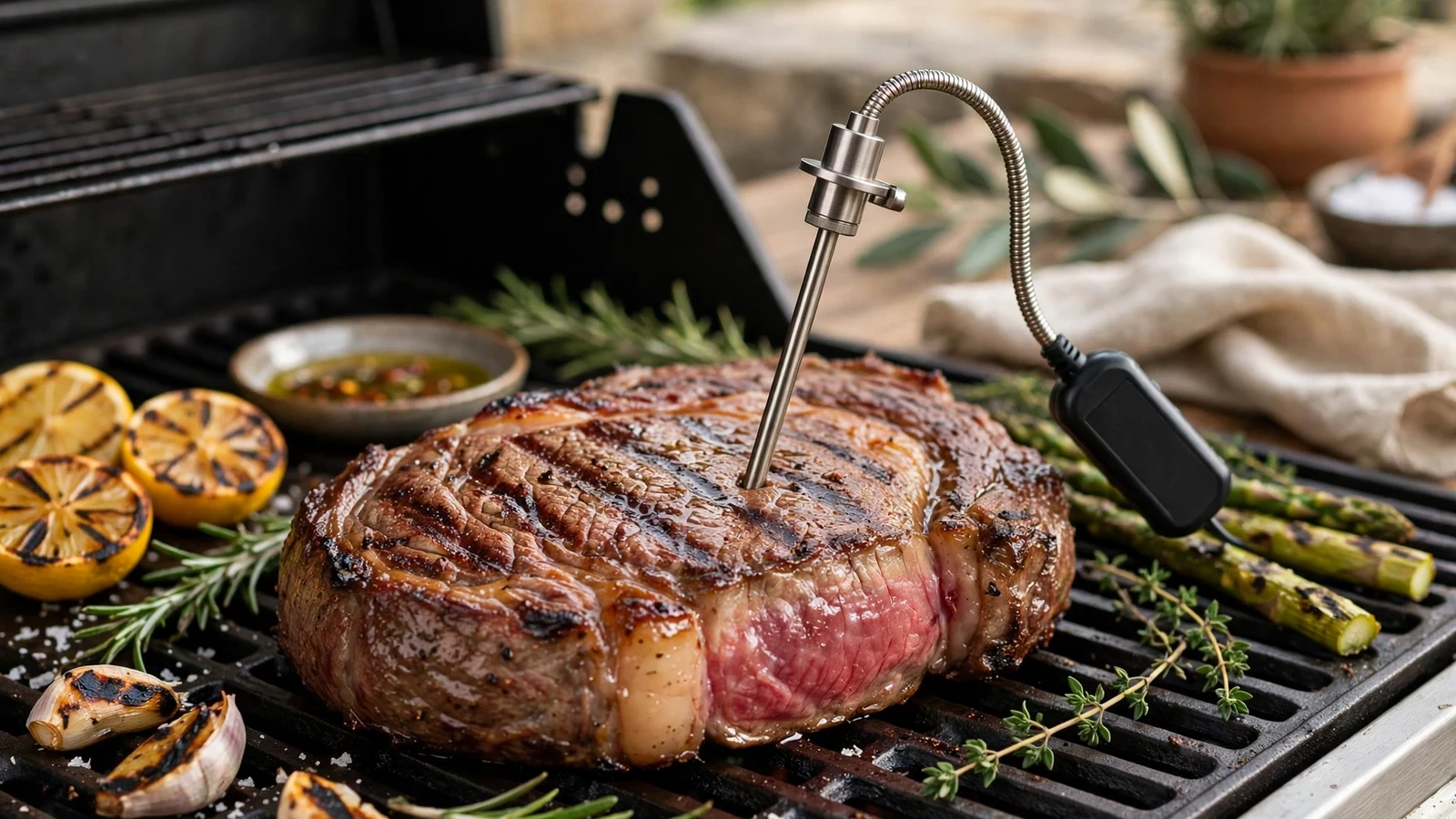
If you have ever stared at a roast in the oven wondering if leaving your probe in place will ruin the dinner, you are not alone. Figuring out whether can you keep thermometer meat while cooking depends entirely on the specific gadget you bought and the heat source you are using. A standard instant-read dial will melt if you close the oven door on it, whereas a heavy-duty stainless steel probe can ride out a twelve-hour brisket smoke without a single hiccup.
Understanding the difference between analog dials, digital cords, and smart wireless units saves you from ruined equipment and ruined meals. Let’s break down how to monitor internal temperatures safely, which tools withstand high heat, and where to place your sensors for accurate results every time.
The Physics of Heat Resistant Probes
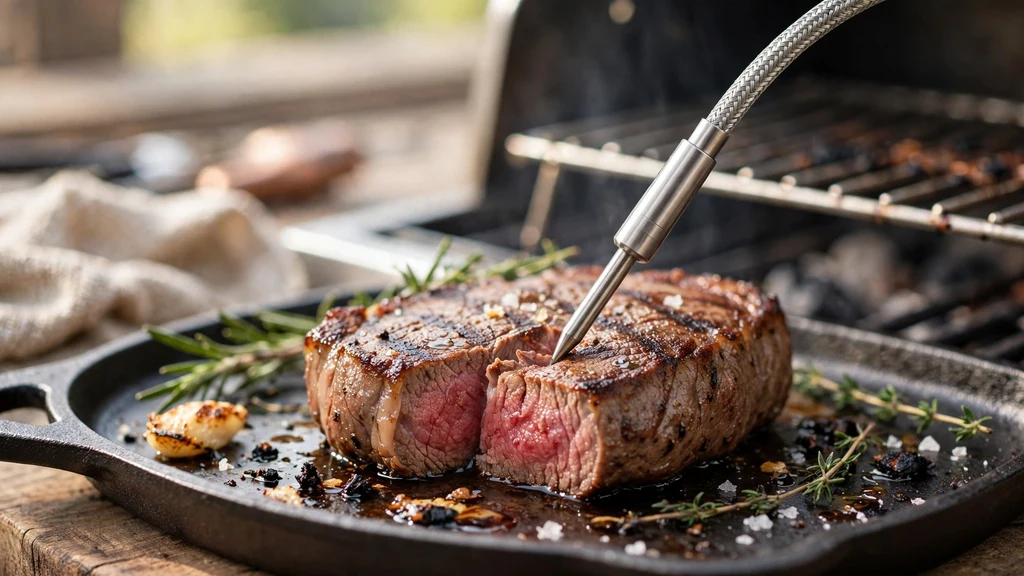
When you slide a sensor into a cut of meat, you introduce an external element into a high-energy cooking environment. Standard kitchen gadgets are built only to puncture food at the very end of the cooking process to check for doneness. If you leave a basic digital kitchen timer with a plastic body inside a hot oven or a smoker, the housing will warp, melt, or short out.
Leave-In Probe Thermometers use a heat-resistant cable, often coated in braided stainless steel or reinforced silicone, that bridges the gap between the oven interior and the digital base unit sitting outside. These cables can typically handle ambient temperatures up to 700 degrees Fahrenheit without failing. Always check the manufacturer specifications before leaving any device exposed to direct flame or extremely high radiant heat.
Leave-In Versus Instant-Read Models
Using the wrong tool for the job is the fastest way to break your kitchen gear. Instant-read digital needles and old-school dial models are designed for speed, not endurance. They feature sensitive electronics or mechanical springs right behind the tip that cannot tolerate prolonged exposure to heat.
On the other hand, Leave-In Probe Thermometers are engineered specifically to stay put. They monitor internal temperature curves over hours of cooking. If you use an instant-read thermometer as a leave-in device, you will quickly damage your food and destroy the thermometer’s internal calibration.
| Thermometer Type | Can It Stay In Meat? | Max Ambient Temp | Best Use Case |
|---|---|---|---|
| Instant-Read Digital | No | 150°F (Display only) | Quick checks at the end of cooking |
| Dial Analog | No | 200°F (Stem only) | Casual grilling and quick checks |
| Wired Leave-In Probe | Yes | 500°F – 700°F (Cable) | Roasting, smoking, and long braises |
| Wireless Smart Probe | Yes | 500°F+ (Full unit) | Rotisseries, grills, and ovens |
Smart Wireless Gadgets for Modern Kitchens
Technology has transformed how home cooks monitor proteins, introducing completely cord-free units that communicate via Bluetooth or Wi-Fi. Wireless Smart Thermometers eliminate the annoying wire that always seems to get caught on your oven door or grill lid. These devices house both the temperature sensor and the transmitter inside a single metal cylinder that stays buried in the roast.
Because they lack an external wire, they are exceptionally versatile for tasks like roasting beef, or cooking whole poultry on a rotisserie. You simply insert the probe past the safety notch, sync it to your smartphone app, and walk away. The internal battery and ceramic housing are designed to withstand high ambient heat while transmitting real-time data straight to your phone.
Mastering Placement for Accurate Readings
Even the most expensive gadget will give you useless data if you push it into the wrong spot. Proper placement requires hitting the thickest part of the muscle while avoiding interference from hard structures. Hitting fat pockets, gristle, or bone will throw off your numbers because these materials conduct heat differently than muscle tissue.
Focus on avoiding direct contact with fat, gristle, or bone to ensure your cooking data is reliable. For poultry, sink the tip deep into the thickest part of the breast or thigh without touching the bone. For large cuts like beef briskets or pork shoulders, place the tip right in the center of the mass where the meat takes the longest to cook.
Safety Guidelines and Best Practices
Food safety relies on reaching specific internal temperatures to destroy harmful bacteria. Relying on guesswork or cooking times alone is a recipe for foodborne illness or dry, overcooked dinners. Following established culinary protocols ensures both safety and incredible flavor.
Adhering to Safety Guidelines and Best Practices keeps your kitchen running smoothly and your family safe. Here are a few essential rules to keep in mind:
- Calibrate your digital probes in ice water periodically to verify accuracy.
- Clean the metal stem thoroughly with hot, soapy water before and after every use.
- Never submerge wired probe bases or digital display units in water unless rated waterproof.
- Allow meats to rest after cooking so internal juices redistribute evenly.
Temperature Targets Across Different Meats
Different proteins require vastly different target temperatures to achieve the ideal balance of safety and tenderness. Ground Meats: Beef, pork, veal, and lamb need to hit 160 degrees Fahrenheit because grinding mixes surface bacteria throughout the entire mixture. Whole cuts behave entirely differently because bacteria only live on the exterior surfaces.
Steaks, Chops, and Roasts: Beef, veal, lamb, and pork can be safely cooked to lower temperatures like medium-rare (135°F) or medium (145°F) because searing kills surface pathogens. When cooking poultry, fat distribution and muscle density mean you should pull whole birds or breasts at 165 degrees Fahrenheit to ensure safety without drying out the meat.
Using Leave-In Probes in Smokers and Ovens
Low and slow cooking methods present unique challenges for kitchen equipment. When you are smoking a pork butt for fourteen hours, ambient temperatures inside the smoker fluctuate, and creosote smoke builds up on everything inside. A standard digital timer left on the shelf will quickly succumb to grease and moisture.
High-quality leave-in probes thrive in smoking environments because their silicone and stainless steel construction resists grease accumulation and moisture ingress. Just make sure you route the wire carefully so the smoker lid or oven door doesn’t pinch and sever the thin internal wiring. Protecting your equipment ensures you can monitor your food without constantly opening the door and letting valuable heat escape.
Avoiding Common Measuring Mistakes
Many home cooks struggle with dry meat simply because they misinterpret their thermometer readings. Pulling a roast out of the oven at your exact target temperature often results in overcooking due to carryover heat. The residual heat trapped in the outer layers continues to cook the center even after you remove the food from the heat source.
Knowing when to remove your food helps prevent dry or overcooked meals. Pulling a large beef roast five degrees shy of your target allows it to finish cooking on the cutting board while resting. Additionally, failing to insert the probe deep enough means you are only measuring the cooler exterior temperature rather than the true thermal center of the protein.
Frequently Asked Questions
Can I leave a wired probe in a 500-degree oven?
Most high-end stainless steel cables can handle ambient temperatures up to 700°F, but the plastic or digital display unit must stay outside the heat source. Always check your specific product manual to confirm the maximum rating before cranking your oven to maximum heat.
Do professional chefs use leave-in thermometers?
Professional chefs in high-volume kitchens frequently rely on leave-in digital probes and smart wireless units for large roasts, briskets, and delicate proteins. While experienced cooks can judge doneness by touch, precision instruments guarantee consistency across hundreds of orders.
What happens if the thermometer touches the bone?
Bones conduct heat much faster than muscle tissue, which will cause your thermometer to give a falsely high reading. This can trick you into removing your meat prematurely, leaving the center undercooked and unsafe.
Can I use a meat thermometer in a frying pan?
You can use instant-read thermometers in a frying pan, but leave-in probes are rarely practical for stovetop cooking. Frying pans involve direct contact with scorching hot metal and bubbling oil that can easily damage exposed cords or plastic components.
Conclusion
Managing internal temperatures successfully comes down to using the right tool for your specific cooking method. Whether you choose a rugged wired probe for a long barbecue session or a sleek smart device for a weekend roast, keeping track of your food prevents guesswork. Take care of your equipment, mind your placement, and you’ll consistently serve perfectly cooked meals.