


Buying a wireless meat thermometer changes how you cook, but knowing what to look for when choosing a wireless meat thermometer can be tricky with so many options flooding the market. You need a device that actually holds a stable connection and gives you precise readings without making you guess.
Shopping for gear to track your barbecue can feel a bit overwhelming when every manufacturer claims they sell the top option on the market. If you want to know what to look for wireless meat thermometer hardware, you need to look past the flashy marketing and focus on features that actually matter when you are standing outside by a hot grill. A dependable gadget saves you from ruined briskets and dry chicken breasts.
This breakdown covers everything from signal range to probe durability, helping you pick a tool that fits your cooking style. Whether you love low and slow smoking or quick weeknight grilling, understanding these specifications ensures you spend your money wisely.
Understanding Connectivity Range and Signal Reliability
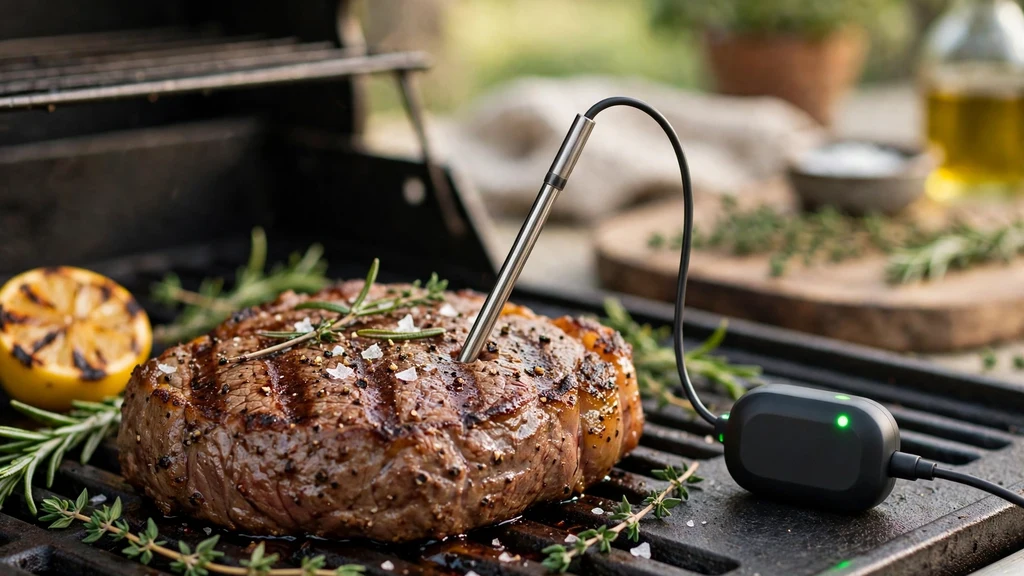
A wireless meat thermometer is only as good as its connection. If your phone loses signal the moment you walk inside your air-conditioned kitchen, the device defeats its own purpose. Manufacturers often advertise massive line-of-sight numbers, but physical barriers like brick walls, heavy insulation, and metal smoker lids cut that distance down fast.
When evaluating connectivity, look closely at how the hardware manages its signal. Basic units use standard bluetooth, which works fine if you plan to stay within thirty or forty feet of the cooker.
For greater distance, units utilizing local wifi or cloud relay allow you to monitor your meal from the grocery store. Some systems use a base station as a repeater, bridging the gap between a thick steel smoker and your handheld device.
Thick grill walls and patio furniture can easily block weak radio frequencies. Always check if the device relies strictly on direct pairing or if it includes a signal booster to maintain a steady link. A reliable connection means you can relax on the couch instead of pacing the patio.
Evaluating Probe Construction and Sensor Placement
The physical probe goes through intense heat, flare-ups, and constant washing. Durability is non-negotiable.
Cheap metal bends easily, and flimsy wiring near the handle tends to fray after just a few uses in high-heat environments. High-end variants use rugged stainless steel designed to withstand direct flames and harsh cleaning.
Most modern units feature multiple sensors along a single shaft. This design measures both the internal temperature of the meat and the ambient temperature of the cooking chamber simultaneously.
Knowing the air temp right next to your brisket helps you manage your wireless grill much more effectively. If you cook large cuts, you want a model that supports at least two or more independent tips so you can track multiple pieces of meat at once.
Single-Probe Versus Multi-Probe Systems
Choosing between a single needle or a multi-needle setup depends entirely on what you cook. If you mostly sear steaks or roast a single chicken, a single-sensor device gets the job done without cluttering your cooking surface. If you routinely host large barbecues, a multi-probe setup lets you monitor pork shoulders, ribs, and poultry all at the same time.
| System Type | Best Suited For | Key Advantage |
|---|---|---|
| Single Probe | Steaks, fish, quick roasts | Simple setup, fast cleanup |
| Dual Probe | Standard smoking, whole chickens | Tracks meat and grill temp together |
| Multi-Probe (4+) | Large briskets, multi-dish meals | Monitors various cuts simultaneously |
App Usability and Software Features
The accompanying mobile app acts as the brain for your cooking tool. A clunky interface with buggy menus will drive you crazy when your hands are covered in rub and smoke. Look for software that offers a clean, straightforward dashboard displaying all active temperatures at a glance.
Custom preset alerts are a must-have feature. You want software that lets you set specific target numbers and sends an urgent push notification when your food nears completion.
Some platforms even include estimated cook time algorithms, though these can vary wildly based on fluctuating weather conditions. Make sure the software runs smoothly on your specific mobile operating system before committing to a purchase.
- Clear temperature graphs showing historical data trends
- Customizable alerts for target internal thresholds
- Built-in reference libraries for USDA safe meat guidelines
- Easy pairing process that doesn’t drop during long cooks
Battery Life and Power Source Considerations
There is nothing worse than watching your monitoring gear die halfway through a twelve-hour pork shoulder smoke. Battery life varies wildly depending on whether the unit uses rechargeable lithium-ion cells or standard alkaline alternatives. Some charging blocks double as storage cases, juicing up the hardware whenever you put it away.
Rechargeable internal batteries offer great convenience, but if they degrade over time, you might have to replace the entire unit. Models powered by standard AA or AAA cells are easy to swap out mid-cook, provided you keep spares in the pantry. Always verify how long a single charge lasts under continuous heavy usage.
Temperature Accuracy and Calibration
Precision is everything when you are cooking expensive cuts of meat. A difference of just five degrees can turn a juicy medium-rare steak into a dry, overcooked disappointment. Look for devices known for strict accuracy, ideally within plus or minus one degree Fahrenheit.
High-end brands often allow user calibration, letting you submerge the tip in an ice bath to fine-tune any minor drift over time. If a manufacturer does not publish their precision specs, approach the product with caution. Reliable meat thermometers undergo rigorous factory testing to ensure consistent performance across extreme heat ranges.
Water Resistance and Durability
Barbecuing happens in all kinds of weather, from sudden summer downpours to freezing winter winds. Your equipment needs to handle moisture without short-circuiting. Check the ingress protection rating to see if the main housing and transmitters can handle rain or accidental splashes.
Cleaning is another factor tied directly to build quality. Many modern devices are fully dishwasher safe or easily hand-washed in warm, soapy water. Avoid units with exposed wiring junctions where moisture can seep inside and ruin the internal electronics permanently.
Price, Warranty, and Brand Reputation
Investing in a quality cooking gadget means balancing upfront cost against long-term reliability. Cheaper knockoff brands often fail after a few months, while established names like ThermoWorks or Meater build their reputations on lasting performance and customer support. A solid warranty gives you peace of mind if a sensor fails unexpectedly.
Don’t just chase the lowest price tag. Consider how often you grill and whether paying extra for advanced features makes sense for your lifestyle. A slightly higher initial investment usually pays off in better build materials and more reliable wireless performance.
Frequently Asked Questions
How far do wireless meat thermometers actually reach?
Standard Bluetooth models typically reach up to one hundred feet in open air, while WiFi-enabled options use your home network for virtually unlimited range. Physical barriers like brick walls and thick metal cooker lids will significantly reduce these distances in real-world conditions.
Can I leave a wireless probe in a hot smoker?
Yes, dedicated internal probes are specifically designed to withstand high ambient smoker temperatures. However, you must never expose the plastic or rubber components of the handle directly to open flames or extreme direct heat.
Do wireless meat thermometers need calibration?
Most quality units come pre-calibrated from the factory. Over time or after accidental drops, checking them in an ice water bath helps confirm accuracy and lets you adjust settings if a minor drift occurs.
Are these devices safe to use in a dishwasher?
Some probes are entirely waterproof and dishwasher safe, but many manufacturers recommend gentle hand washing with warm, soapy water to protect the sensitive electronic seals and extend the lifespan of the hardware.
Conclusion
Finding the right wireless meat thermometer takes a bit of research, but the payoff is perfectly cooked food every single time you fire up the grill. Focus on reliable connectivity, durable probe construction, and straightforward app software to make your backyard cooking sessions much easier. A quality tool removes the guesswork from barbecuing so you can spend less time hovering over the fire and more time enjoying the meal.