

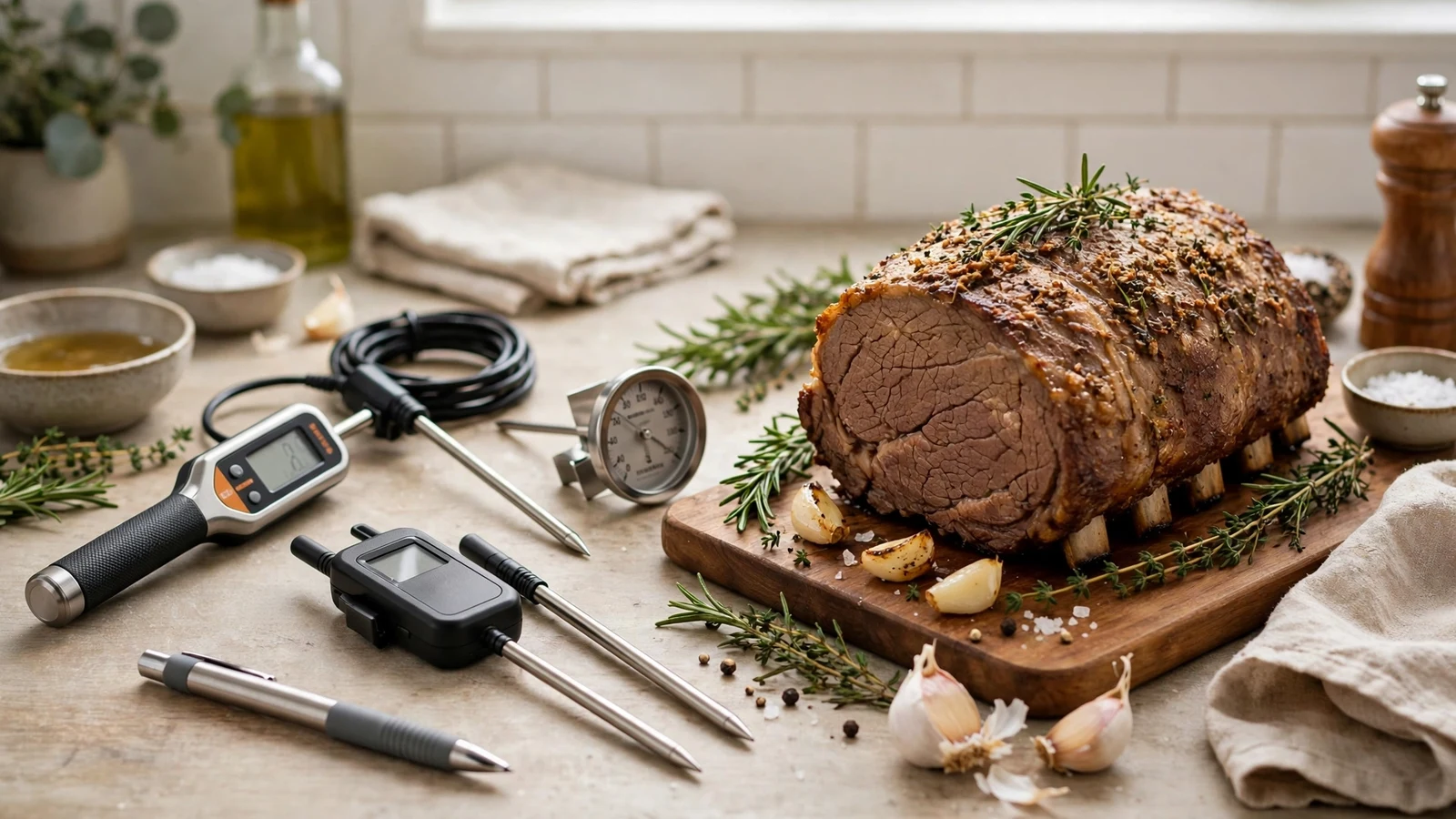
When you are standing in the kitchen staring at a dry pork loin or wondering if your Thanksgiving turkey is actually safe to eat, knowing what to look for in a meat thermometer becomes immediately important. Cheap kitchen gadgets fail when you need them most, leaving you guessing at the grill or ruining expensive cuts of steak.
Choosing the right tool isn’t just about grabbing the first digital gadget on the shelf. You have to balance speed, durability, and features like wireless connectivity depending on whether you’re searing steaks over an open fire or slow-roasting a brisket overnight.
Understanding Different Styles of Meat Thermometers
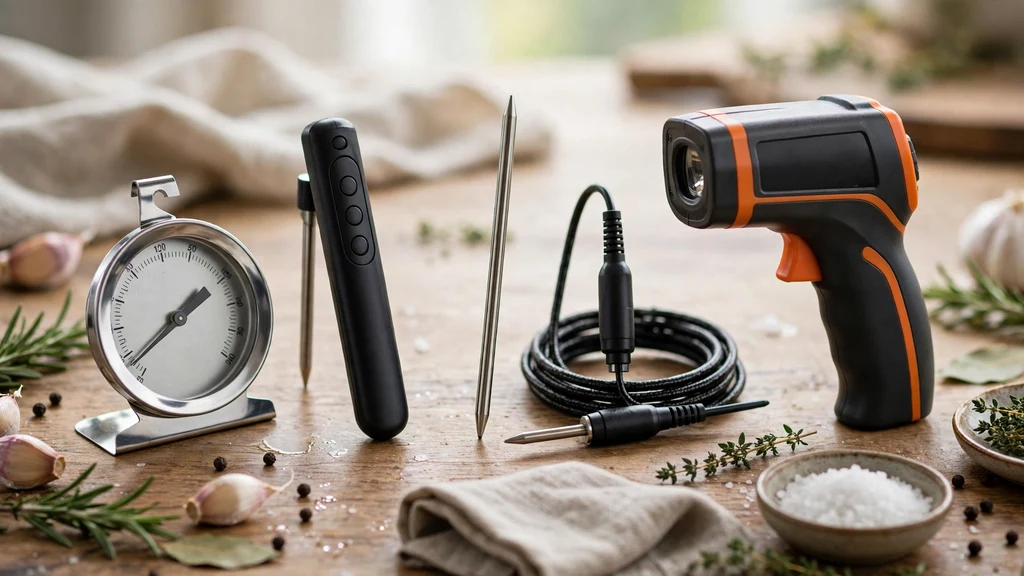
Every home cook approaches the kitchen differently, meaning the style of device you pick matters immensely. Instant-read digital models give you a fast reading when you open the oven door, while leave-in probes stay inside the meat for the entire cooking process.
Instant-read options are great for a quick check on chicken breasts or thin steaks on the grill. On the flip side, leaving a dedicated probe inside a large roast lets you monitor progress without constantly opening the oven and losing heat.
Think about your usual cooking habits before buying. If you mostly sear steaks in a cast-iron skillet, speed matters more than smart phone integration. If you spend your weekends tending a massive offset smoker for twelve hours straight, a multi-probe wireless system changes everything.
Accuracy and Calibration Features
Precision is the entire reason you buy a kitchen thermometer in the first place. A difference of just five degrees can turn a juicy medium-rare ribeye into a disappointing well-done shoe. Look for models boasting an accuracy rating within one degree of true temperature.
Many top-tier instruments come with user-calibration settings. Being able to submerge your probe in ice water and adjust the reading ensures your gear stays accurate over years of heavy use. Cheap factory-sealed models often drift out of calibration and cannot be adjusted, meaning you end up throwing them away.
* Check for a manufacturer accuracy guarantee of plus or minus one degree Fahrenheit.
* Look for digital calibration buttons or easy screw adjustments on the unit.
* Test your device regularly in an ice bath to verify its precision.
Speed and Response Time
When you open a hot oven or lift the lid on a blazing hot grill, you want your hand away from the heat as fast as possible. A slow sensor forces you to hold your fingers near hot grease while you wait for the numbers to crawl upward.
The best instant-read models deliver a final temperature in two to three seconds. This speed means less heat escapes your cooking chamber and less hair singed off your knuckles. If a product takes ten seconds to settle, keep looking.
Temperature Range and Thermal Limits
Different cooking methods demand vastly different thermal tolerances. Deep frying oil sits around 375 degrees Fahrenheit, while a searing hot cast-iron skillet can easily exceed 500 degrees.
Your device needs a temperature range wide enough to handle boiling water, frozen meat, and extreme grill heat without melting the plastic casing or frying the internal electronics. Always check the maximum rating for both the digital base and the actual metal probe.
Here is a quick breakdown of typical temperature thresholds you should expect from quality culinary gear:
| Cooking Method | Target Temperature Range | Required Sensor Limit |
|---|---|---|
| Low and Slow Smoking | 225°F to 275°F | At least 572°F |
| Deep Frying | 350°F to 375°F | At least 500°F |
| Standard Oven Roasting | 325°F to 450°F | At least 500°F |
| High Heat Grilling | 450°F to 600°F+ | At least 700°F for probes |
Wireless Connectivity and Smart Features
Modern cooking technology brings smartphone alerts right to your pocket. National standards for temperature measurement are one thing, but getting a buzzing notification on your phone when your brisket hits 203 degrees is pure convenience.
Bluetooth and Wi-Fi models let you monitor long cooks from the couch without standing guard over the smoker. Just keep in mind that wireless signals can struggle through thick brick walls or heavy metal smoker lids.
App integration should be clean and reliable, offering customizable alarms for different meat types. Avoid overly complex software that crashes constantly or requires unnecessary account setups just to read a temperature.
Build Quality and Water Resistance
Kitchen environments are messy, wet, and hot. Splashing grease, steam, and accidental drops on the kitchen floor happen to everyone. A fragile plastic shell will crack or let moisture ruin the internal circuitry within months.
Look for a robust housing sealed against water splashes and steam. Many premium choices feature an IPX7 waterproof rating, meaning you can rinse them directly under the kitchen faucet after dealing with raw poultry.
Durability also applies to the cable on leave-in models. Flimsy wires melt easily if they touch a hot grill grate, rendering the whole unit useless. Braided steel cables protect against high heat and accidental fraying.
Screen Readability and User Interface
Squinting at a dim screen in the dark backyard while grilling burgers is a frustrating experience. A backlit display makes evening cooking sessions much easier.
Large, high-contrast numbers let you read the internal temperature from a distance without leaning dangerously close to open flames. Rotating screens are another fantastic feature, ensuring you can read the display easily whether you hold the instrument in your left or right hand.
Common Questions About Meat Thermometers
How do I tell if my meat thermometer is accurate?
Fill a tall glass with crushed ice and top it off with cold water. Stir the mixture, then insert your probe without touching the sides or bottom of the glass. The display should read exactly 32 degrees Fahrenheit.
Are cheap meat thermometers accurate?
Inexpensive models can work fine initially, but they often lack quality control. They tend to drift out of calibration quickly, feature slower response times, and break down when exposed to moisture or high heat.
What type of meat thermometer is most accurate?
Digital thermistors housed in a tapered probe tip offer the highest level of precision. High-end instant-read tools provide exact readings within seconds, making them the gold standard for home cooks.
Can a meat thermometer take a human temperature?
While it technically measures heat, culinary devices are not calibrated for the narrow human temperature range. Using a kitchen probe for medical purposes is unsafe and highly inaccurate.
Finding the right tool transforms how you cook proteins, removing the guesswork from everyday meals. Prioritizing speed, durability, and precision ensures you get a reliable companion that lasts through countless backyard barbecues and holiday dinners. Take your time comparing features, and you will find an instrument that fits your kitchen routine.