

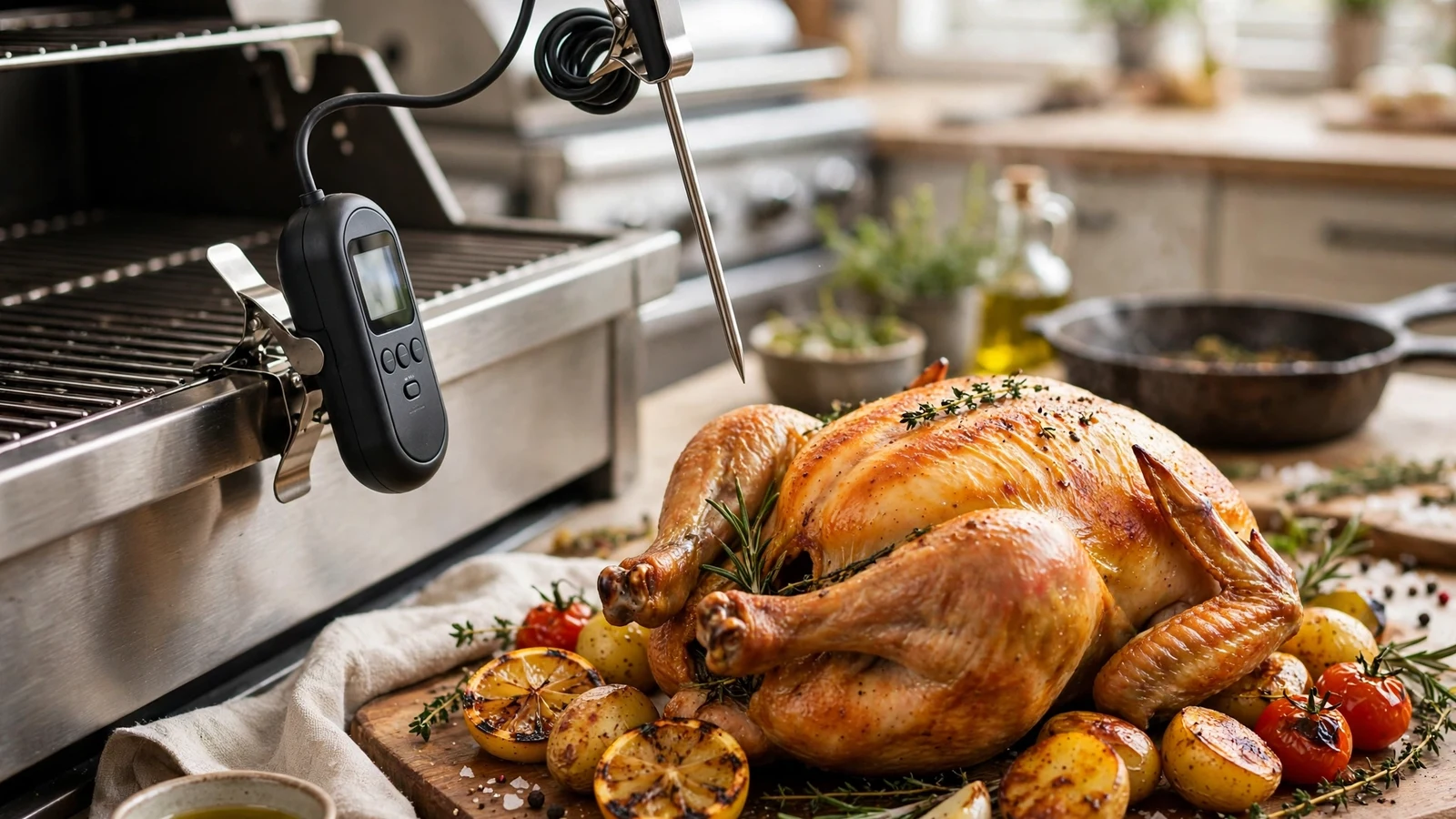
If you have ever stared at your new smart meat thermometer and wondered what the second reading is actually telling you, you are not alone. Figuring out what ambient temp on meat thermometer devices means changes how you monitor your food. Instead of just guessing when a roast is done by poking it once, you get a live look at the cooking environment right next to your cut of meat.
Modern wireless devices have completely changed how we handle low and slow barbecues and high-heat roasts. Understanding these numbers helps you avoid dry brisket, ruined holiday turkeys, and guesswork in the kitchen.
Decoding the Ambient Reading on Your Cooking Probe
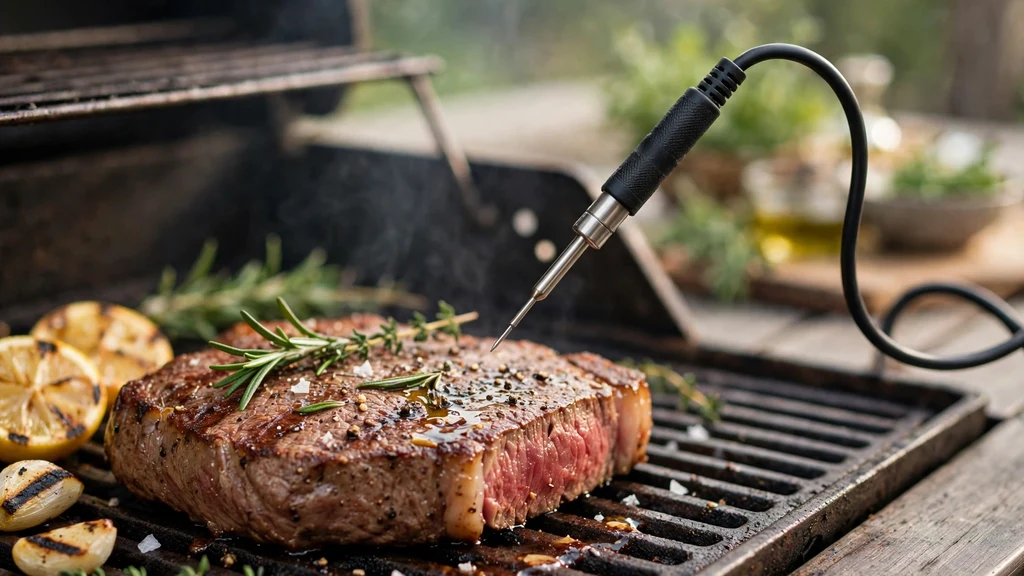
The ambient reading measures the air temperature directly surrounding the meat, rather than the internal temperature of the food itself. Most modern smart thermometers feature dual sensors.
One sensor sits deep inside the protein to track doneness, while a second sensor rests on the exposed end, sticking out into the cooker. This second sensor acts as your digital eye inside the appliance, showing you how hot the air is right next to the surface of your dinner.
When you monitor ambient temperature, you are essentially tracking your grill or oven’s actual performance. Built-in dial thermometers on older ovens or dome gauges on charcoal smokers are notoriously inaccurate.
They often lie by twenty to thirty degrees because they measure heat far away from the actual cooking grate. Having a dedicated sensor right next to your food solves this problem entirely.
Why Ambient Temperature Differs From Oven Dials
Ovens and grills lie to you constantly. When your dial says three hundred fifty degrees, the actual spot where your chicken sits might be thirty degrees hotter or colder. A meat thermometer reveals these hidden temperature swings in real time.
Appliances cycle their heating elements on and off to maintain a target average. This creates massive temperature fluctuations that can ruin delicate bakes or cause meat to cook unevenly. By watching the ambient sensor, you can spot these swings immediately and adjust your cooker before it ruins your meal.
How Placement Impacts Your Cooking Environment
Where you position your probe matters just as much as buying the device in the first place. If you push a wireless probe too deep into a thick steak, the ambient sensor might end up shaded by the meat itself. This creates a false low reading because the cool meat absorbs heat before it can reach the surrounding sensor.
You also need to keep the exposed end away from direct radiant heat sources, such as heating elements or open flames. If the sensor sits directly over a hot spot, it will read scorching air while the rest of the cooker is actually fine. Aim for a spot roughly an inch away from the meat surface in clear circulating air.
Managing Hot and Cold Spots in Cookers
Every single oven and smoker has hot and cold spots. Uneven airflow, poor insulation, and uneven burner placement create micro-climates inside your cooking chamber. Tracking ambient air helps you map these variations so you know exactly where to place your food.
If you notice a huge gap between your cooker’s dial and your probe’s reading, you can rely on the probe to save dinner. Many pitmasters use these digital tools to find the sweet spot on their smoker grates. You can learn more about proper thermal calibration standards by checking out resources like the National Institute of Standards and Technology for accurate measurement guidelines.
Comparing Internal Versus Ambient Readings
It helps to look at how internal and ambient metrics work together to guide your cooking process. While internal data tells you when food is safe to eat, ambient data tells you how fast that transformation is happening.
| Metric Type | What It Measures | Ideal Use Case |
|---|---|---|
| Internal Temperature | Doneness and food safety inside the meat | Pulling meat at the exact right degree of doneness |
| Ambient Temperature | Air heat surrounding the food on the grate | Managing pit temperature and adjusting cook time |
Troubleshooting False Readings and Safeguarding Probes
Sometimes your probe will flash a warning or display numbers that make no sense at all. The most common culprit is grease buildup or moisture trapped inside the electronic housing. Cleaning your gear with warm soapy water after every single session keeps those delicate components functioning properly.
Another issue is pushing past the maximum threshold of the hardware. Standard wireless probes handle high ambient heat, but searing over direct open flames can easily melt the ceramic handles if you aren’t careful. Always check your manufacturer limits before tossing a probe into a blazing hot fire.
Smart Apps and Real-Time Alerts
The companion app on your phone turns raw numbers into actionable alerts. You can set custom thresholds that wake you up if your smoker temperature drops in the middle of the night. This kind of remote monitoring takes the stress out of long overnight briskets and pork shoulders.
Here are a few ways smart apps help you manage your cook:
- Custom high and low ambient alarms to prevent flare-ups or dying fires
- Estimated time remaining calculations based on current heat curves
- Graphs that show historical temperature trends over a twelve-hour smoke
- Preset safety recommendations for different cuts of beef, pork, and poultry
Frequently Asked Questions
What does ambient temperature mean on a meat thermometer?
It measures the air temperature surrounding the meat inside your oven or grill. This helps you monitor your cooking environment in real time rather than trusting inaccurate built-in appliance dials.
Should I trust the ambient temperature reading on my wireless probe?
Yes, as long as the sensor is positioned correctly in the air and not shaded by the meat. Keep it away from direct flames and heavy grease buildup for the most accurate results.
Is ambient temperature the same as oven temperature?
Not always. Oven dials show an average temperature, while your probe shows the exact heat right next to your food, which often reveals hidden hot or cold spots.
Why is my ambient reading lower than my grill setting?
Your probe might be sitting too close to cold meat, absorbing moisture evaporation, or placed in a drafty area of the cooker where heat escapes easily.
Conclusion
Mastering ambient temp on meat thermometer devices takes the guesswork out of cooking complex meals. Once you start paying attention to the air around your food just as much as the interior doneness, your results become far more consistent. Take time to position your gear properly, keep an eye on those unexpected heat swings, and enjoy better meals every single time you cook.