


When you slide a probe into a thick cut of brisket, you care about the meat’s internal heat. But understanding what ambient temperature on a meat thermometer actually means will completely change how you approach long cooks in your oven or smoker. Modern culinary gadgets do more than track doneness; they monitor the surrounding cooking environment.
Knowing the difference between internal and external heat readings helps you avoid dry roasts and burnt barbecue. This guide breaks down how your device measures the air around your food and why those secondary sensors matter.
The Core Definition of Ambient Temperature in Cooking
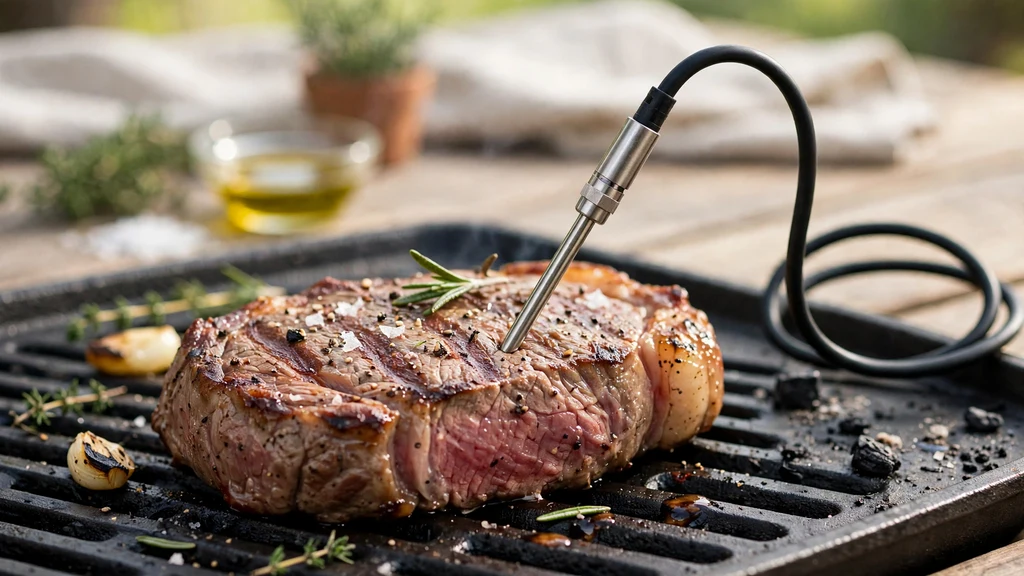
Ambient temperature refers to the measurable heat of the air directly surrounding your food inside an appliance. When your digital device features a secondary reading, it tells you how hot the oven cavity or smoker actually is, which often differs from your dial setting. Recognizing what ambient temperature on a meat thermometer means lets you calibrate your cooking setup for better results.
Most standard kitchen ranges run hotter or colder than their displays indicate. A detached or built-in secondary sensor exposes these hot spots instantly. By watching the air reading alongside the food’s internal progress, you gain total control over the cooking process.
How Dual-Sensor Meat Thermometers Work
Advanced wireless probes and multi-channel digital devices rely on at least two distinct sensors to provide complete thermal data. The tip of the metal spike measures the internal temp of the protein, while a separate sensor sits near the exposed handle to gauge the surrounding air. This hardware layout separates internal protein tracking from environment monitoring.
The internal sensor typically uses a thermocouple or thermistor rated for high moisture and dense tissue. Meanwhile, the ambient sensor sits just outside the food, often protected by a ceramic or stainless steel shield. Together, they transmit continuous data streams to a digital base station or smartphone app.
Why Ambient Air Readings Matter for Low and Slow BBQ
Barbecue relies heavily on maintaining steady, low heat over many hours. If your smoker fluctuates wildly, your meat stalls out or cooks too fast, ruining the texture. Monitoring the ambient reading ensures your pit stays within the ideal zone without constantly opening the lid and letting heat escape.
Using a dedicated probe lets you track the exact thermal behavior of your cooker. Pitmasters often discover that the thermometer built into the lid of their smoker is off by twenty or thirty degrees compared to the actual grate level. Trusting the probe reading near the meat gives you a much truer picture of the cooking environment.
- Prevents unexpected temperature spikes in wood-fired cookers
- Helps you judge exact stall times for large beef and pork cuts
- Eliminates guesswork when calibrating older kitchen ovens
- Ensures even heat distribution across large cooking surfaces
Common Causes of Inaccurate Ambient Readings
Sometimes your device shows a strange air reading that doesn’t match your oven dial. Placement is usually the main culprit behind these weird numbers. If your probe sits too close to a heating element or touches a cold piece of meat, the ambient sensor receives skewed data.
Radiant heat from metal walls can also trick the sensor into reporting falsely high numbers. Smoke buildup and grease residue act as insulators, dulling the responsiveness of the hardware. Cleaning your equipment regularly prevents carbon buildup from skewing your telemetry.
Understanding Proximity to the Heat Source
The physical location of your probe dictates the validity of your ambient data. Placing your cooker probe directly next to a roaring flame results in panic when the app flashes extreme warnings. You need to position the device away from direct radiant fire zones to capture the true ambient air temperature.
Air circulation plays a massive role in how the sensor behaves. In tightly sealed National Institute of Standards and Technology reference guidelines, thermal uniformity requires proper convection. If stagnant air pockets form inside your cooker, your readings will vary wildly depending on inch-by-inch placement.
Wireless Probes and Ambient Limits
Smart wireless devices have revolutionized modern cooking, but they come with strict structural rules. Because the ambient sensor houses delicate radio transmitters and batteries in the exposed end, manufacturers enforce strict heat caps. Exceeding these limits destroys the internal electronics.
Most consumer-grade wireless units handle ambient air up to five hundred degrees Fahrenheit safely. If you plan on searing steaks over an open charcoal fire, you must ensure the exposed sensor doesn’t sit in direct flames. Understanding your gear’s hardware limits prevents costly equipment failure.
| Thermometer Type | Typical Ambient Limit | Primary Use Case |
|---|---|---|
| Standard Wired Probe | 700°F (371°C) | Oven roasting and hot grills |
| Smart Wireless Probe | 525°F – 575°C | Smokers and indoor ovens |
| Instant-Read Digital | No ambient tracking | Quick spot-checks at the end |
Interpreting App Alerts and Thermal Graphs
When you pair your smart device with a phone application, you gain access to real-time graphical data. These apps map your progress across a timeline, showing how the air and meat temperatures interact. Watching these lines climb helps you predict when your meal will finish.
Sudden drops in the ambient line usually mean you opened the lid or added cold fuel to the fire. Spikes indicate flare-ups or localized hot spots. Learning to read these visual patterns turns casual cooking into a precise science.
Best Practices for Placement and Calibration
Getting accurate data requires a bit of upfront mindfulness before you turn on the heat. Insert your probe into the thickest part of the meat, making sure the safety notch or ambient line clears the surface entirely. If the air sensor sinks into the meat, you lose your environmental tracking.
Test your equipment periodically in boiling or ice water to ensure proper calibration. While internal sensors are easy to test in water, ambient sensors require air tests against a known reference oven thermometer. Keeping your gear accurate guarantees consistent meals every time you cook.
Frequently Asked Questions
Can you use a meat thermometer for ambient temperature?
Yes, many modern digital units feature dual sensors specifically designed to monitor both the internal doneness of your food and the surrounding air inside your oven, smoker, or grill simultaneously.
What should your ambient temperature be set at?
The ideal ambient setting depends entirely on what you are cooking. Low and slow barbecue usually runs between 225 and 275 degrees Fahrenheit, while standard roasting ovens typically operate around 350 to 425 degrees Fahrenheit.
How accurate is ambient temperature on wireless smart probes?
Wireless smart probes are generally very accurate, provided the ambient sensor is positioned away from direct radiant heat sources, heating elements, and cold food surfaces that might skew the local air reading.
Should all meat be cooked to 165 degrees?
No, different proteins require different internal targets. Poultry should reach 165 degrees Fahrenheit for safety, while steaks, pork chops, and briskets taste much better at varying lower or higher internal thresholds.
Conclusion
Mastering thermal dynamics inside your cooking appliances takes away the guesswork that ruins expensive cuts of meat. By keeping an eye on your air metrics alongside internal protein progress, you ensure predictable, delicious results every single time. Try checking your oven’s true air performance during your next meal preparation.