
When you are standing over a bubbling pot of fat, wondering if you can a meat thermometer be used for oil safely, you need a straight answer before your dinner burns. Many home cooks look into their utensil drawers and wonder if one kitchen tool can pull double duty for both Thanksgiving turkey and crispy french fries.
While both gadgets measure heat, they face very different environments in terms of thermal shock and maximum range. Knowing the mechanical differences keeps your equipment intact and your kitchen safe from dangerous flare-ups.
Understanding the Core Differences in Kitchen Thermometers
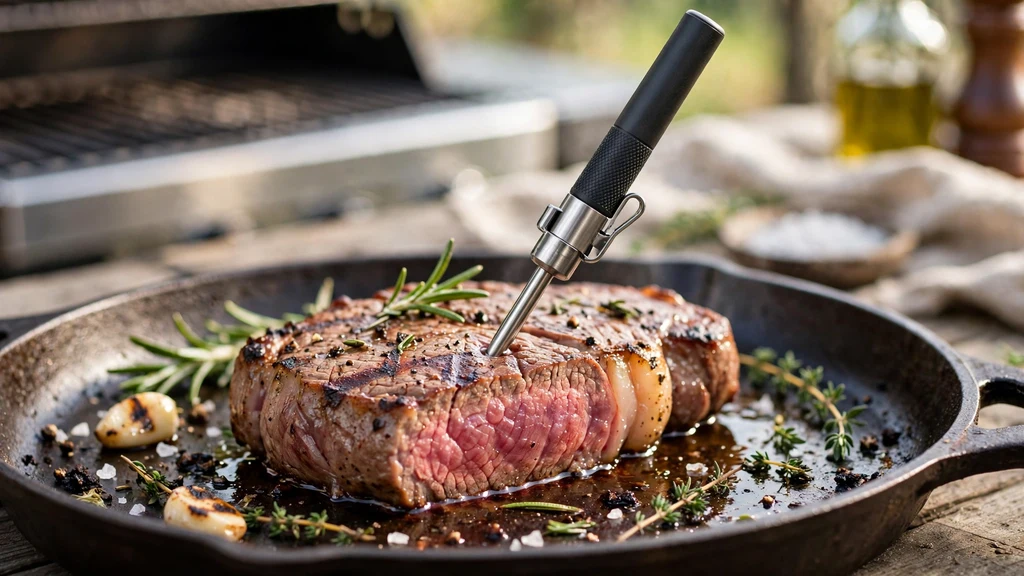
You cannot always swap cooking thermometers interchangeably because manufacturers engineer them for entirely different tasks. A standard meat thermometer is built to check the internal temperature of solid roasts, poultry, and steaks by resting in the center of the protein.
These devices usually feature a shorter temperature range maxing out around 200 degrees Celsius or 400 degrees Fahrenheit, which suits oven-roasted meats just fine. In contrast, a dedicated deep-fry thermometer or candy thermometer needs to handle high temperatures soaring past 400 or even 500 degrees Fahrenheit.
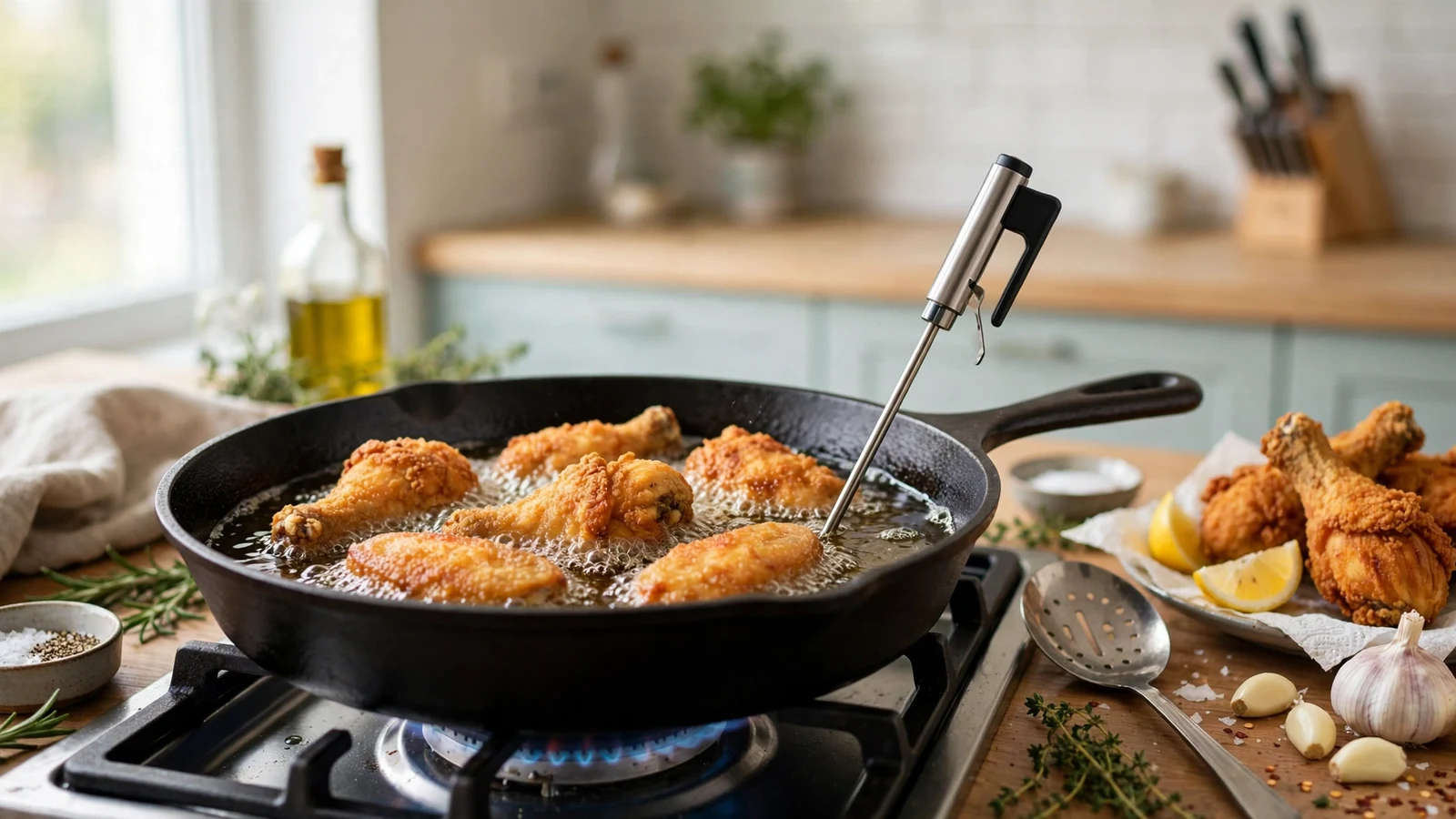
The physical build also differs significantly between these devices. Most candy and oil tools include a handy clip to secure the stem to the side of a deep pot or Dutch oven.
This design keeps your hands safely away from hot oil and prevents the metal tip from resting directly on the hot bottom of the vessel, which would otherwise skew the reading. Traditional meat tools rarely feature this mounting hardware, requiring you to hold the device manually or leave it dangling precariously.
- Meat probes focus on measuring doneness inside solid foods.
- Deep-frying tools monitor liquid heat continuously over long periods.
- Candy devices track rapid sugar stage transitions up to hard crack.
- Digital instant-read models offer fast feedback but aren’t meant to submerge in boiling fat.
The Thermal Limits and Safety Risks of Using Meat Probes in Fat
Dropping the wrong device into a hot skillet introduces serious hazards to your cooking process. When evaluating whether you can a meat thermometer be used for oil, you must consider the temperature range of your specific gadget.
If you submerge a basic dial or digital meat probe into boiling cooking oil meant for chicken or doughnuts, you risk ruining the internal electronics or shattering the glass casing. Sealed analog models can trap moisture inside; when that moisture hits searing-hot fat, it expands rapidly and causes the display face to crack.
Furthermore, accuracy issues plague gadgets that operate outside their intended design specifications. If a dial model overheats, the bimetallic strip inside warps permanently, rendering the tool useless for future food preparation.
Relying on a broken gauge means you might misjudge the oil temperature completely, leading to either greasy, soggy food or scorched, bitter ingredients. For more details on safe heating thresholds, consult resources like the USDA Food Safety and Inspection Service for official handling guidelines.
What Happens When You Submerge a Meat Probe in Hot Fat
Physics dictates how metals and electronics react to sudden thermal spikes in the kitchen. When cold metal hits liquid fat heated to 375 degrees Fahrenheit, the sudden transfer of energy causes rapid expansion.
Many standard meat models feature a sealed tip, but the seals often fail when exposed to prolonged heat from all sides rather than just the pointed end. The casing can melt, warp, or let oil seep into the digital housing, destroying the internal circuit board instantly.
Another major drawback is the lack of continuous monitoring capability with standard pocket probes. Frying requires you to watch the thermal fluctuations as you add cold ingredients like battered fish or raw potatoes.
Holding a standard meat probe in the pan for ten minutes is uncomfortable and exposes your hand to steam and splatters. Dedicated fry monitors stay clipped in place, letting you check temperature at a glance without risking painful burns.
Alternative Ways to Measure Frying Heat Without a Dedicated Tool
Running out of specialized gear does not mean you have to abandon your recipe entirely. Experienced home cooks rely on several classic kitchen hacks to gauge when fat is hot enough for frying without reaching for a specialized gauge. These methods rely on visual and auditory cues that signal specific thermal thresholds.
| Testing Method | Estimated Heat Range | Best Used For |
|---|---|---|
| Wooden Spoon Test | 325°F – 350°F | Doughnuts, fritters |
| Bread Cube Test | 350°F – 375°F | Chicken, french fries |
| Popcorn Kernel Test | 325°F – 350°F | General deep frying |
The wooden spoon trick remains a favorite among home chefs who lack a proper gauge. Simply dip the dry handle of a wooden spoon straight down into the center of the liquid.
If steady streams of tiny bubbles immediately form around the wood and float to the surface, the fat has reached about 350 degrees Fahrenheit. If it boils violently, the liquid is too hot; if nothing happens, it needs more time on the burner.
Can You Use a Candy Thermometer for Frying Instead?
Sugar work and deep frying share a common need for high-heat precision, making these devices much more interchangeable. A standard candy tool easily handles the 350 to 400 degree threshold required for chicken and other golden-brown favorites. Because both candy-making and frying demand continuous immersion in hot liquids, these accessories share identical mounting clips and long, heat-resistant stems.
However, you must clean the device thoroughly before switching between sweet syrups and savory fats to prevent cross-contamination of flavors. Residue from a previous batch of caramel can burn instantly in hot fat, releasing acrid smoke that taints the taste of your meal. As long as the unit is spotless and rated for high thresholds, it serves as a reliable substitute when you lack a dedicated fry gauge.
How to Choose the Right Equipment for High-Heat Cooking
Investing in purpose-built kitchen gear saves money and prevents cooking disasters down the road. When shopping for a reliable frying gauge, look for robust stainless steel construction and clear, easy-to-read markings that won’t fade under steam exposure. Digital models with remote wire probes work exceptionally well, provided the cable is rated for open-pot immersion rather than just oven cavity use.
Always verify the upper limit printed on the packaging before bringing a new device home. A quality deep-fry tool should comfortably read up to 500 degrees Fahrenheit to accommodate oils with high smoke points like peanut, canola, or grapeseed oil. Keeping your gear properly organized ensures you always grab the right instrument for the job, protecting both your recipes and your kitchen tools.
Common Mistakes to Avoid When Monitoring Hot Fat
Using kitchen tools incorrectly often leads to ruined meals and damaged equipment. One major error is letting the tip of the probe touch the bottom or sides of the metal pot, which absorbs direct radiant heat from the burner and displays a falsely elevated reading. Always position the sensor suspended directly in the middle of the liquid column for accurate results.
Another frequent oversight involves neglecting proper calibration routines over time. Thermal sensors can drift after accidental drops or repeated exposure to extreme temperature swings. Test your gear periodically in boiling water to confirm it reads 212 degrees Fahrenheit at sea level, adjusting the calibration nut if your model includes one.
Frequently Asked Questions
Can I leave a meat probe in hot oil while cooking?
No, standard meat probes are not designed to withstand continuous immersion in boiling fat. Doing so can melt the housing, ruin internal electronics, or crack the glass display, destroying the device permanently.
What happens if a meat probe gets too hot?
Exceeding the maximum threshold warps the internal bimetallic strip or fries the digital circuit board. This causes permanent calibration failure, meaning the device will no longer give accurate readings for meat or other foods.
Is a candy thermometer the same as a deep fry thermometer?
Yes, they are essentially identical in construction and temperature range. Both feature mounting clips and long stems designed to handle high heat over extended periods of liquid immersion.
How can I check oil temperature without any thermometer?
You can use the wooden spoon trick or drop a small cube of white bread into the pot. If the bread browns evenly in about sixty seconds, the fat is ready for frying.
Conclusion
Reaching for a meat probe while managing a hot skillet might seem like a quick fix, but it risks destroying your equipment and skewing your results. Using the right tool for the job ensures your food cooks safely and your kitchen gadgets last for years. Keep experimenting with your favorite recipes, and always double-check your heat thresholds before dropping food into the pot.