

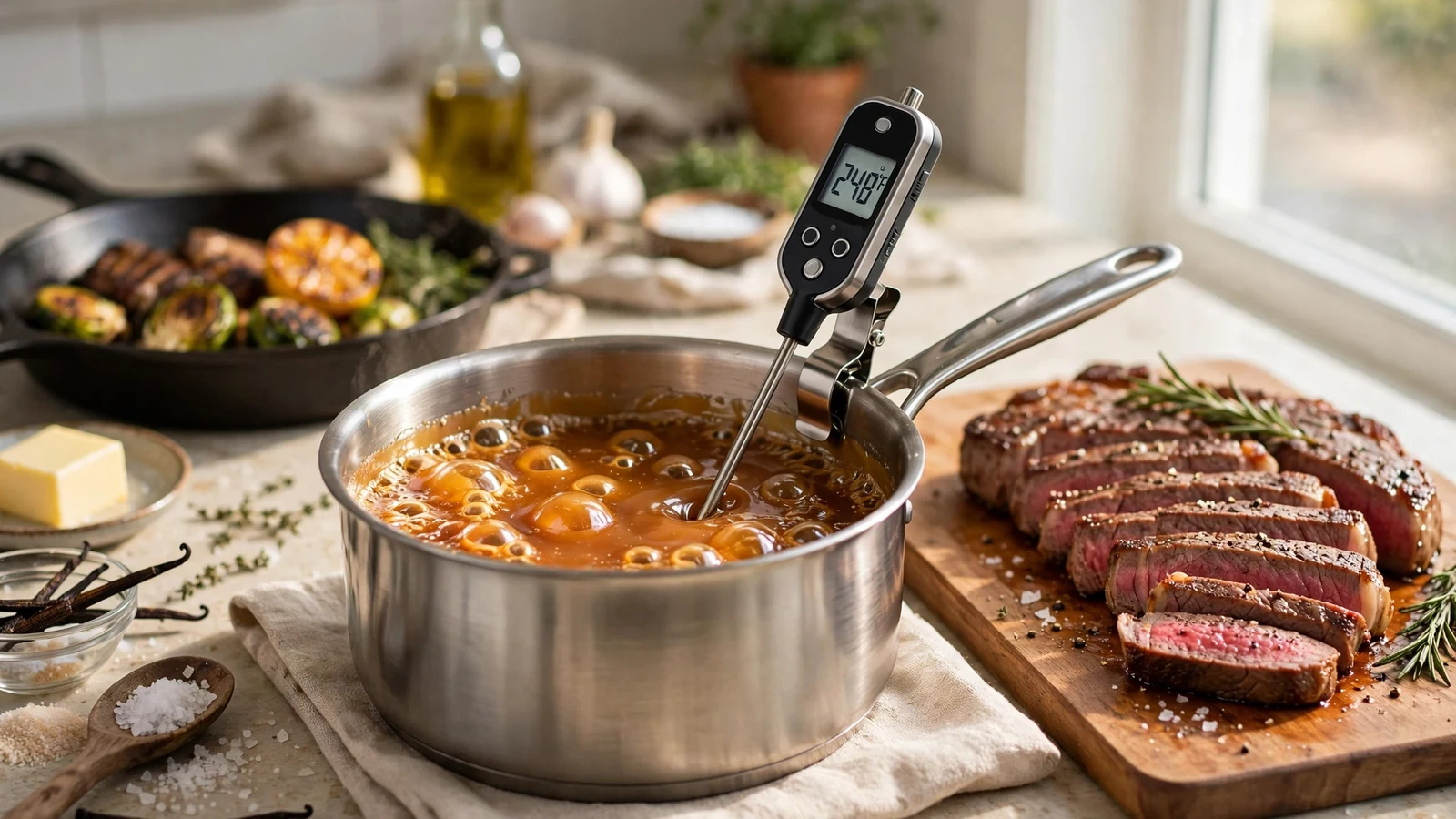
If you find yourself staring at a recipe for caramel or toffee without the proper gear, you might wonder if you can a meat thermometer be used for candy instead of buying a new tool. It is a common kitchen dilemma when a craving strikes and the equipment drawer falls short. Let’s look closely at how these tools differ and whether you can safely swap them without ruining your batch of sugar.
Understanding the Core Differences in Kitchen Thermometers
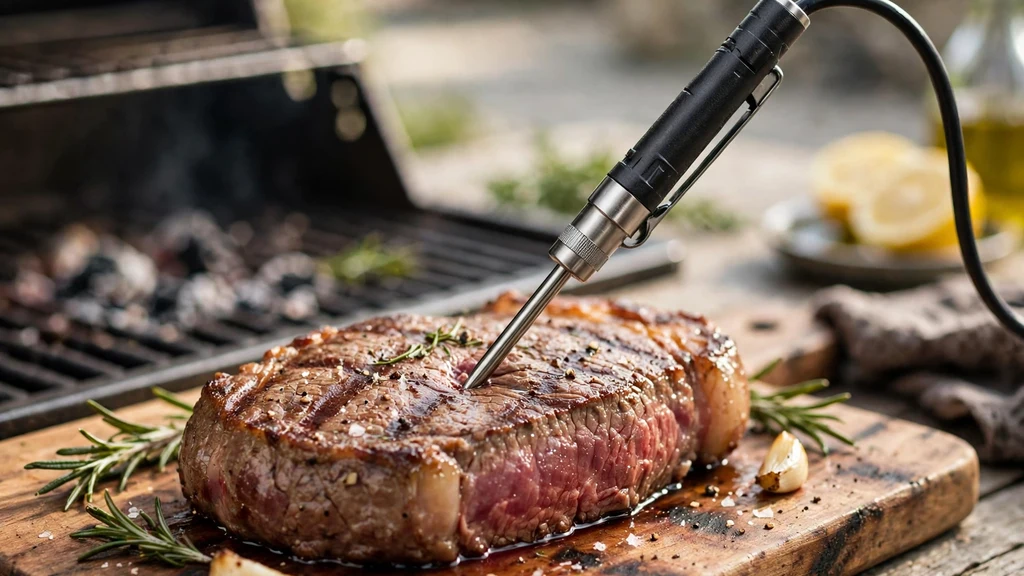
The short answer is yes, sometimes, but you need to check the temperature range first. A meat thermometer is designed to read the internal heat of proteins like beef tenderloin or chicken, usually topping out around 160 to 180 degrees Fahrenheit. In contrast, candy thermometers must withstand much higher temperatures, often reaching up to 400 degrees Fahrenheit, because boiling sugar stages require intense heat.
Using the wrong device can permanently damage the sensor or give you false readings. When you are making candy, a few degrees make the difference between a smooth fudge and a scorched mess. Let’s break down the mechanical differences so you can decide if your current kitchen tools are up to the task.
Temperature Range and Sensor Limits
Most standard meat probes are built for short checks rather than continuous sitting in boiling liquid. If you submerge a basic dial-face meat probe into hot sugar syrup, the internal components can easily warp or melt. Digital instant-read tools might handle brief exposures, but their plastic housings are rarely meant for long-term immersion in boiling fat or sugar.
For more details on how thermal devices are calibrated and rated, you can check out this guide on temperature measurement standards. Confectionery work demands endurance, whereas roasting a roast beef is all about a quick check at the very end of the cook time.
The Danger of Low Maximum Ranges
Hard crack sugar hits 300 degrees Fahrenheit or more. If your meat probe maxes out at 200 degrees, the display will quickly error out or break. You simply cannot measure high-heat stages with a low-range sensor.
Common Thresholds to Keep in Mind
- Meat probes: 120F to 200F for doneness
- Deep-frying probes: Up to 400F for hot oil
- Confectionery tools: 220F to 400F covering all sugar stages
Physical Design and Pot Clips
Beyond the internal mechanics, the physical build matters immensely when dealing with boiling liquids. A dedicated confectionery tool usually features a sturdy pot clip to keep the tip suspended away from the bottom of the pan. Meat probes lack this accessory, meaning you have to hold them by hand, which is dangerous near bubbling hot sugar.
Holding a metal probe manually for ten minutes while stirring hot syrup is risky. If the tip touches the bottom of the pot, you will read the temperature of the metal pan rather than the liquid itself, leading to inaccurate results.
Why Accuracy Matters for Sugar Work
Precision is everything in confectionery science. If your tool is off by even five degrees, your batch might fail to set.
Meat probes are calibrated for the safety zone of poultry and beef, where a small variance is forgiving. Sugar syrup requires exact readings for the thread, soft ball, hard ball, and hard crack phases.
Using a Digital Probe as a Substitute
If you own a high-end digital probe with a long wire, you might get away with it temporarily. Many modern digital cooking probes feature high-heat silicone cables that can handle up to 500 degrees. Just verify the maximum rating on the manufacturer’s manual before dropping it into a boiling pot of syrup.
Alternatives When You Lack Proper Gear
If your meat probe isn’t rated for high heat, skip it entirely and use the cold water test. Drop a small spoonful of your hot syrup into a bowl of ice water. You can easily judge the stage by how the cooled sugar behaves between your fingers.
| Tool Type | Max Heat | Best Use Case |
|---|---|---|
| Dial Meat Probe | 180F – 220F | Roasts, poultry, quick checks |
| Digital Wire Probe | 450F – 500F | Oven roasting, ambient smoker |
| Glass Confectionery Tube | 400F | Syrups, frying, deep fats |
Risk of Damage to Your Equipment
Trying to force a standard roasting probe into a high-heat application often ruins the device. Once the plastic seal melts or the internal spring deforms, the tool will no longer give reliable readings for your Sunday roast either. It is better to use the cold water test than to destroy a good kitchen tool.
FAQ
Can I use a meat thermometer for deep frying?
Only if its maximum temperature rating exceeds the frying oil temperature, which is usually around 350 to 375 degrees Fahrenheit. Most standard meat probes will melt or break at this heat level.
What happens if my thermometer touches the bottom of the pan?
It will read the temperature of the metal pan instead of the liquid, giving you a falsely high reading that can ruin your recipe and cause your sugar to burn.
Is a deep-frying thermometer the same as a candy thermometer?
Yes, they are essentially the same tool with overlapping temperature ranges, allowing you to use them interchangeably for hot oil and sugar syrups.
How can I check sugar temperature without any tool?
Use the cold water test by dropping a small amount of hot syrup into ice water to observe whether it forms a thread, soft ball, or hard crack.
Conclusion
While you might be able to use a digital meat probe if its maximum heat rating is high enough, standard roasting models are simply not built for confectionery work. Protect your tools and your recipes by checking the temperature limits before you begin. Next time you tackle a sweet treat, take a moment to verify your equipment is up to the challenge, or rely on traditional physical tests to get the job done right.