

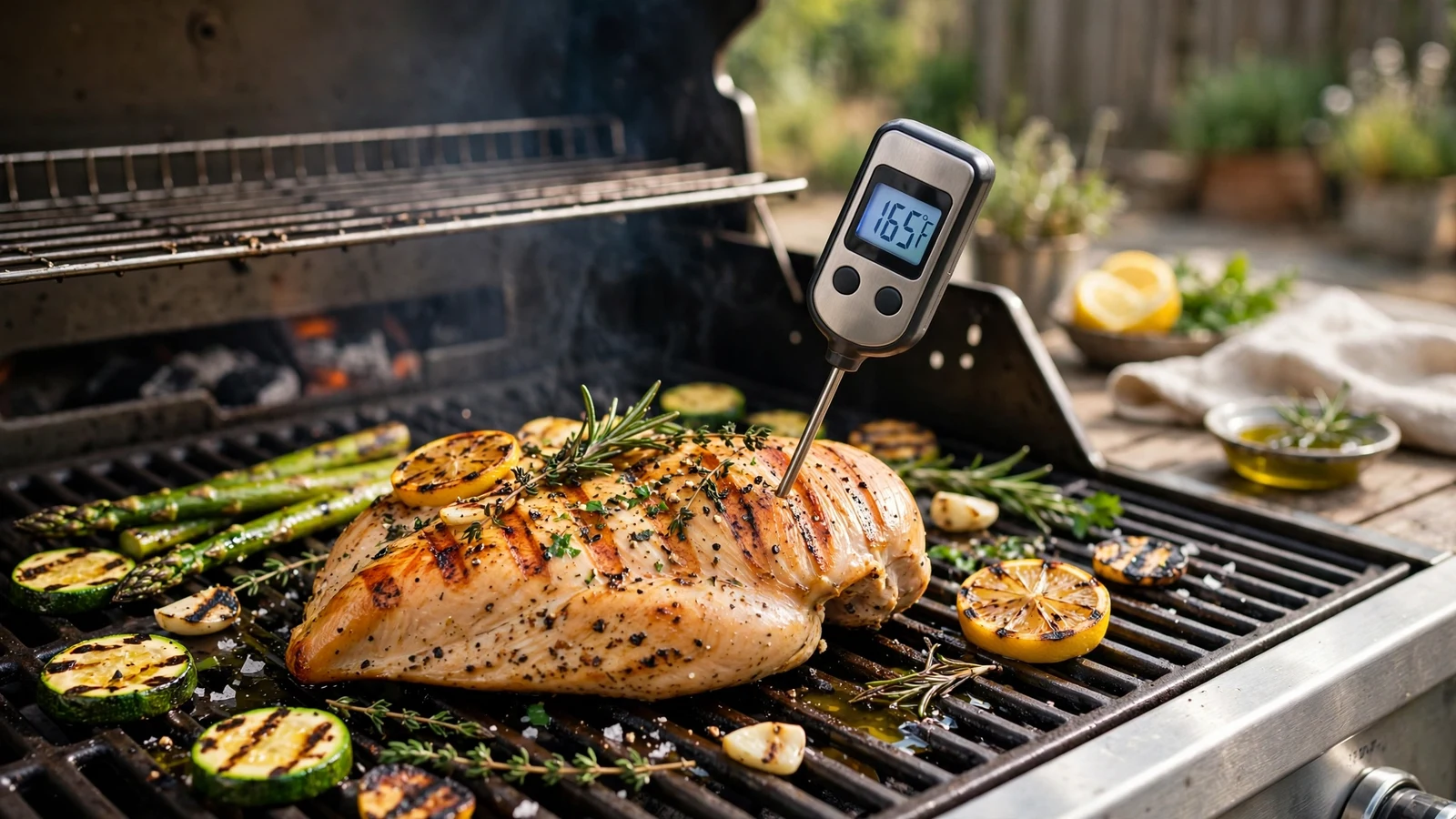
If you’ve just pulled a roasted chicken from the oven and found grease splattered all over your kitchen gadgets, you might wonder whether can a meat thermometer go in the dishwasher for a quick and easy cleanup. Toss it in with the plates and let the machine do the heavy lifting sounds tempting. But doing that can ruin a good kitchen tool faster than you might think.
We have all been there, staring at a greasy probe and hoping for a shortcut. Let’s look at why machine washing is usually a bad idea and what you should do instead to keep your food safe and your gear working.
Why Dishwashers Ruin Most Thermometers

Throwing a meat thermometer into a wash cycle exposes the device to extreme heat and high-pressure water jets. Most kitchen gadgets simply aren’t built to withstand this kind of abuse.
The internal components of a digital probe are remarkably delicate. Water forces its way past the seals, fogging up the display screen or shorting out the battery compartment.
Even simple dial models take a beating. The heat warping the metal casing can ruin the calibration entirely. A misaligned needle means inaccurate readings on your next steak.
That leads to overcooked beef or, worse, undercooked poultry. Hand washing takes less than a minute and saves you from buying a replacement next week.
The Anatomy of a Digital Probe
To understand why water is the enemy, look at how these devices are put together. A typical digital model features a sharp stainless steel stem connected to a plastic or silicone housing by a thin wire or a direct joint. That connection point is rarely waterproof.
Water immersion during a high-heat cycle forces moisture right into the digital brain of the unit. Once moisture gets trapped inside, corrosion starts eating away at the circuit board.
Even if the device seems fine after one wash, internal rust will eventually kill it. You have to treat the electronics with care if you want accurate readings for your holiday turkey.
Wireless Units Require Special Care
Smart cooking gadgets have changed how we grill, but they introduce new cleaning headaches. If you use a modern wireless meat thermometer, you definitely cannot submerge the charging block in water. The charging base contains exposed metal contact points and batteries that will short out instantly.
The actual metal probe might have a higher water resistance rating, but manufacturers still warn against machine washing. High water pressure ruins the ceramic handles found on many advanced probes.
You need to wipe down the charging block with a damp cloth and clean the probe manually. Keeping moisture away from the internal sensors ensures your expensive gadgets keep working year after year.
Safe Manual Cleaning Techniques
Cleaning your cooking tools by hand doesn’t have to be a chore. Grab a soft sponge, warm water, and a bit of dish soap. Wipe down the metal stem from the tip to the base, taking care not to submerge the digital display housing.
For stubborn grease buildup, let the metal tip soak in warm soapy water for a few minutes before wiping. Never drop the entire unit into a sink full of standing water. Rinse the soap away under a gentle faucet stream, and dry the probe thoroughly with a clean towel before putting it away.
Dealing with Stubborn Residue and Grease
Roasted meats release plenty of fats that bake onto hot metal surfaces. When fat cools on stainless steel, it turns into a sticky film that resists basic wiping.
Don’t grab a steel wool pad to scrub it off. Abrasive scrubbers scratch the metal and create tiny grooves where bacteria can hide.
Instead, use a bit of baking soda mixed with water to create a gentle paste. Rub the paste over the dirty spots with your fingers or a soft cloth.
The mild abrasive action lifts the grime without chewing up the finish. Wipe everything clean with a damp paper towel and check that no paste remains near the sensor junctions.
Sanitizing Without Submerging
Food safety demands that you sanitize your kitchen tools, especially after handling raw poultry. You don’t need boiling water or a harsh dishwasher cycle to kill germs. A simple wipe down with an alcohol prep pad or a cloth dampened with a diluted bleach solution does the trick.
Wipe the metal stem down completely, and let it air dry for a minute. This method kills harmful bacteria without risking water damage to the internal electronics. For more guidance on keeping kitchen utensils hygienic, check out the USDA Food Safety and Inspection Service for official handling tips.
The Risks of Inaccurate Temperature Readings
Using a damaged thermometer defeats the whole point of cooking with precision. If water leaks into the sensor during a wash cycle, your internal temperature readings might drift by ten degrees or more. That variance ruins a medium-rare ribeye.
When you can no longer trust your equipment, you end up cutting into meats prematurely to check doneness, which lets all the juices escape. Protecting your gear from harsh washing environments preserves its accuracy and keeps your meals turning out right.
When Dishwasher-Safe Claims Are Actually True
A tiny handful of heavy-duty analog dial thermometers claim to be dishwasher safe. These old-school models contain no batteries and no digital screens. They rely on a bimetallic coil that expands with heat.
Even with these simpler units, repeated exposure to harsh detergents dulls the plastic face and degrades the metal over time. Just because a manufacturer says it can go in the machine doesn’t mean it’s a good idea. Hand washing takes minimal effort and extends the lifespan of any kitchen tool you own.
Frequently Asked Questions
Can you wash a meat thermometer in the dishwasher?
No, you should never put a digital meat thermometer in the dishwasher. The intense heat and high-pressure water will destroy the internal electronics, ruin the display screen, and ruin the calibration. Always hand wash the metal stem instead.
Is there a dishwasher safe meat thermometer?
While some heavy-duty mechanical dial models claim to withstand machine washing, it is still strongly discouraged. Harsh detergents and high heat degrade the materials and can ruin the calibration, leading to inaccurate temperature readings.
What is the best way to clean a meat thermometer?
The best method involves wiping the metal probe with warm soapy water and a soft sponge. For stubborn grease, use a mild baking soda paste. Always avoid submerging the digital housing or battery compartment in water.
Is it safe to leave a meat thermometer in the oven?
Only specific leave-in probes designed for high-heat oven use can stay inside while cooking. Standard instant-read digital models will melt or malfunction if left inside a hot oven or smoker for an extended period.
Conclusion
Taking care of your kitchen tools means skipping the shortcut of throwing them in the wash cycle. Hand washing your probes takes just a few seconds and protects the delicate electronics inside. Keep your gear clean, dry, and accurate so you can cook with confidence every single time.