

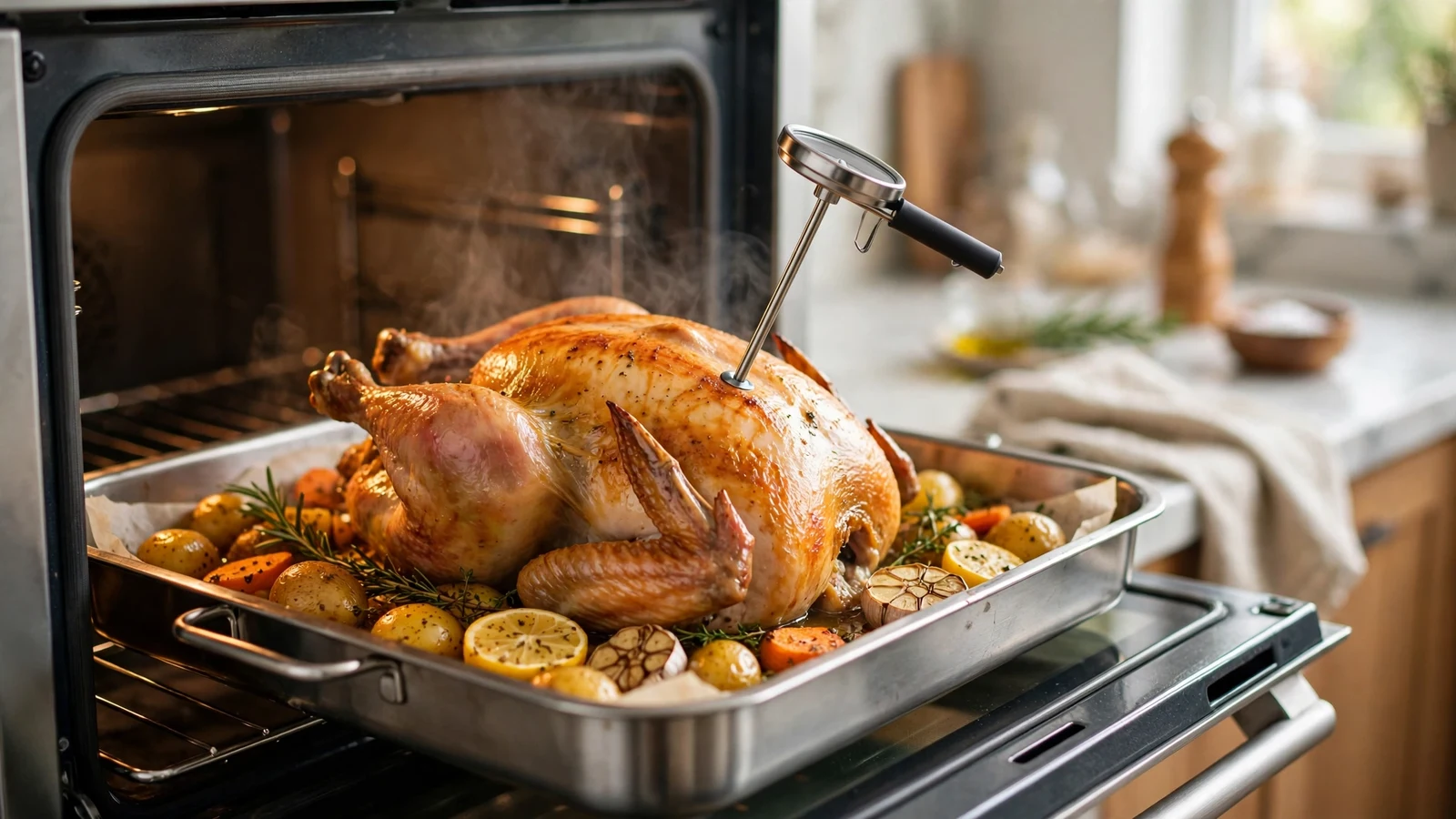
Wondering if you can leave your kitchen gadget inside a hot roaster while cooking dinner is a common dilemma, and figuring out whether a meat thermometer can go in the oven saves you from ruining both your meal and your tools. Melting plastic handles or short-circuiting digital displays happen quickly when kitchen gear faces intense heat without proper preparation.
Getting this right ensures your roasts hit the perfect internal temperature without any kitchen disasters. Let us break down how to tell which devices handle high heat and which ones stay strictly on the counter.
Understanding Oven-Safe Versus Instant-Read Designs
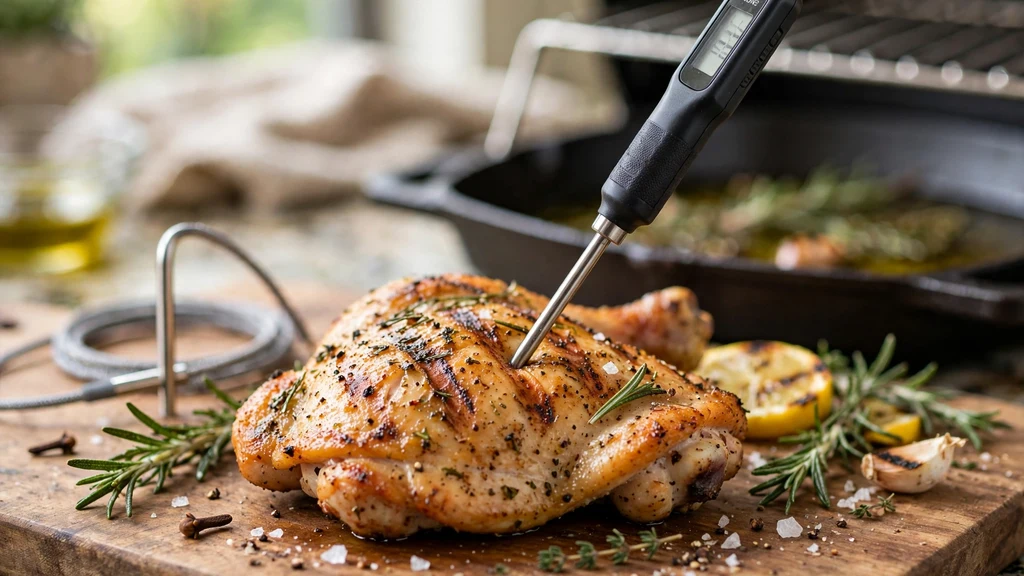
The short answer depends entirely on the specific tool you pull from your kitchen drawer. Traditional dial-face thermometers with metal probes are usually designed to stay inside the roast during the entire cooking process.
On the flip side, most digital instant-read gadgets feature plastic housings that melt or warp if exposed to sustained ambient heat inside a hot compartment. Knowing your equipment prevents expensive replacements and gives you accurate readings.
Manufacturers design leave-in models to withstand environments reaching four hundred degrees Fahrenheit or higher. Their cables use braided stainless steel, and the metal stems handle direct heat without transferring dangerous chemicals into your food.
Meanwhile, digital pocket models are meant strictly for spot-checking. You insert them, read the digital display, and remove them immediately before closing the oven door.
Types of Meat Thermometers and Heat Tolerance
Kitchen gadgets come in several distinct styles, each behaving differently under thermal stress. Recognizing these categories keeps your cooking process smooth and your kitchen tools functional.
- Dial-face leave-in models: Built with heavy-duty metal and glass, these stay inside the meat from start to finish.
- Digital probe thermometers: Feature a metal probe connected to an external base by a heat-resistant cord, allowing continuous monitoring.
- Instant-read digital units: Handheld devices with electronic screens that cannot survive extended time in a hot roaster.
- Smart wireless probes: Advanced tools enclosed entirely in metal that withstand extreme heat while transmitting data via Bluetooth.
How to Identify If Your Specific Tool Is Oven-Safe
Inspect your device closely before tossing it into a roast. Look for manufacturer stamps along the metal stem or the dial face that indicate high-temperature ratings. If the unit features a plastic display unit attached directly to a short probe without a long wire, assume it is an instant-read model meant to stay outside.
When in doubt, check the user manual or search the brand online. Using a standard household tool incorrectly often leads to ruined electronics or shattered glass dials. A quick inspection saves you from a smoky kitchen and a ruined dinner.
Proper Placement Techniques for Accurate Readings
Getting a reliable measurement requires more than just poking your dinner randomly. You need to target the thickest part of the protein while avoiding bone, fat, and gristle. Bones conduct heat faster than meat, giving you a falsely high reading that leaves your dinner undercooked.
| Meat Type | Ideal Placement Spot | Can Tool Stay in Oven? |
|---|---|---|
| Whole Chicken or Turkey | Deep into the thickest part of the thigh, away from bone | Yes, if using a leave-in or wired probe |
| Thick Cut Steak or Roast | Center of the muscle mass | Yes, for wired probes and dial models |
| Thin Pork Chops | Inserted horizontally into the side | No, use instant-read near the end of cooking |
For more detailed food safety guidelines and precise temperature benchmarks, you can consult the official USDA Food Safety and Inspection Service portal. Their resources cover everything from proper handling to safe minimum cooking thresholds.
Risks of Leaving Non-Safe Thermometers in the Heat
Placing an inappropriate device into a hot roaster creates immediate hazards. Plastic components melt and release noxious fumes, while digital screens crack under thermal expansion. Battery compartments also pose a severe threat when heated, as standard alkaline batteries can leak corrosive chemicals or even rupture.
Beyond destroying your kitchen equipment, using melted plastic near food introduces unwanted chemical contaminants. Always verify your gear’s specifications before starting the preheat cycle to avoid these costly mistakes.
Using Wired Digital Probes Effectively
Wired digital probes offer the best of both worlds by letting you monitor progress without opening the door constantly. The metal probe stays inside the roast, while the thin cable runs through the door gasket to the digital display sitting on the counter. The cable is typically rated for high heat, but you must still keep it away from direct broiler flames and heavy heating elements.
Make sure you route the cable carefully so the door closes completely without crushing or severing the delicate wire. Testing the probe in boiling water beforehand ensures your equipment reads accurately every single time.
Calibrating and Maintaining Your Temperature Tools
Even high-end kitchen gear loses accuracy over time due to drops, bumps, and intense thermal cycling. Checking your equipment in an ice water bath or boiling water keeps your measurements precise. A properly calibrated tool helps you achieve restaurant-quality results consistently.
Clean the metal stem thoroughly with warm soapy water after every use, but never submerge the non-waterproof digital display units. Proper storage prevents moisture damage and extends the lifespan of your kitchen investments.
Common Mistakes to Avoid While Cooking
Home cooks frequently make simple errors that compromise both food safety and equipment longevity. Poking meat repeatedly lets precious juices escape, resulting in dry and tough dinners. Another common pitfall is letting the probe touch the bottom of a roasting pan, which transfers direct pan heat and skews your data.
Avoid rushing the process by taking readings too early before the heat distributes evenly throughout the cut. Taking a few seconds to position your equipment correctly ensures flavorful, perfectly cooked meals every time.
Frequently Asked Questions
Can I leave a digital meat thermometer in the oven?
Most standard digital instant-read thermometers cannot stay in the oven because their plastic housings will melt. However, digital leave-in probes with heat-resistant cables are specifically engineered to remain inside the oven during the entire cooking cycle.
How do I know if my thermometer is oven safe?
Check the manufacturer instructions or look for a metal dial design featuring an all-metal construction. If your device has a bulky plastic body directly attached to the probe without a long connecting wire, it is strictly an instant-read tool.
What happens if you leave an instant-read thermometer in the oven?
Leaving an instant-read device in a hot oven typically ruins the electronic display, melts plastic components, and can cause batteries to leak or rupture. This destroys the equipment and ruins food safety.
Where should I insert the thermometer into meat?
Always insert the probe into the thickest part of the meat, making sure it avoids bone, gristle, and fat pockets. For poultry, target the deepest part of the thigh muscle without touching the bone.
Conclusion
Mastering temperature control elevates your home cooking from guesswork to a reliable science. Knowing whether your specific device belongs inside the hot roaster or on the kitchen counter protects your equipment and ensures delicious results. Enjoy experimenting with your next roast, and keep your kitchen tools functioning at their absolute best.