

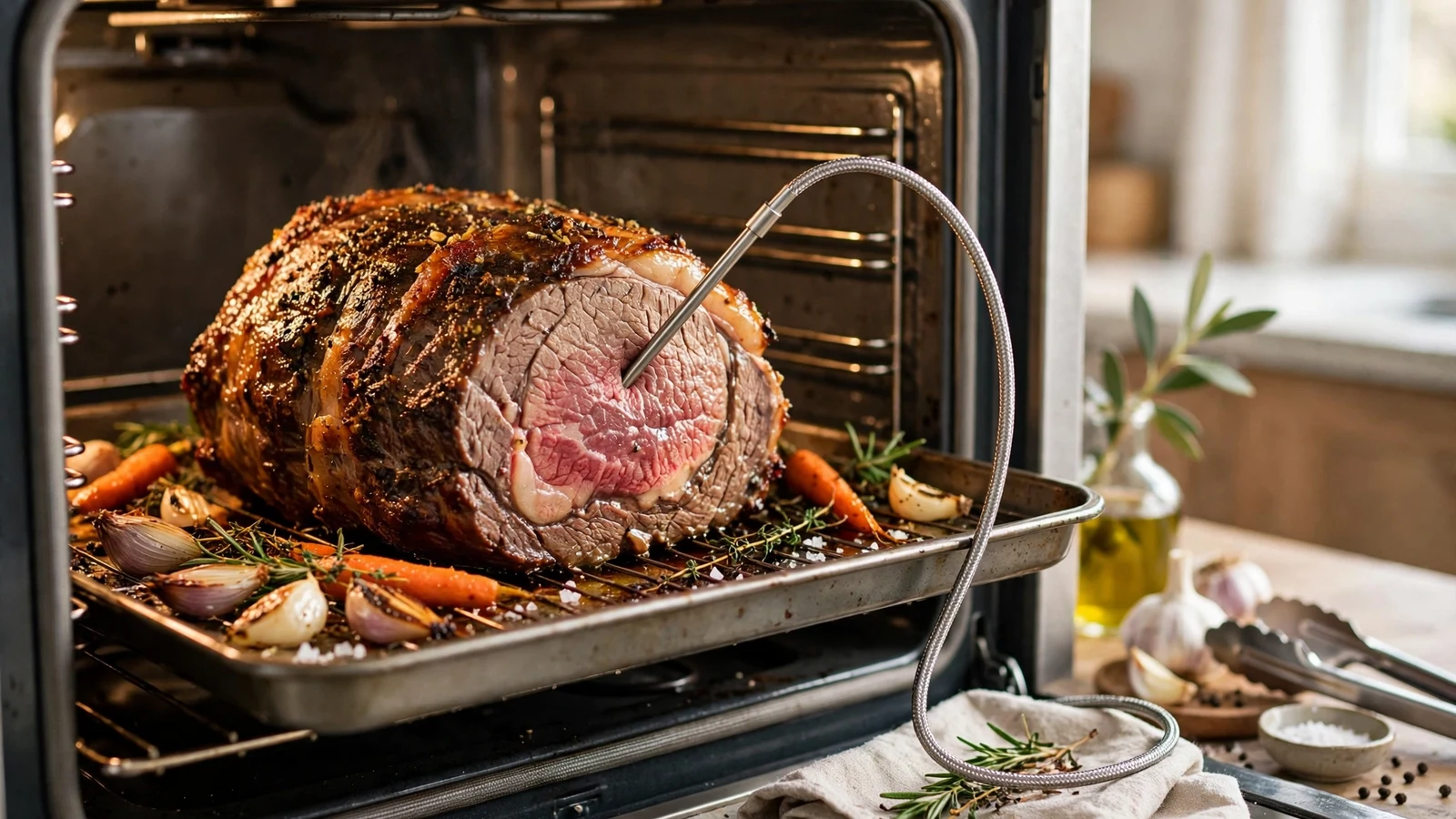
Wondering if you can keep a meat thermometer in the oven while your roast finishes cooking is a common kitchen dilemma that trips up many home cooks. Figuring out whether your specific tool can handle high heat without melting or ruining your dinner is essential before you close that oven door.
Understanding Oven Safe Design and Materials
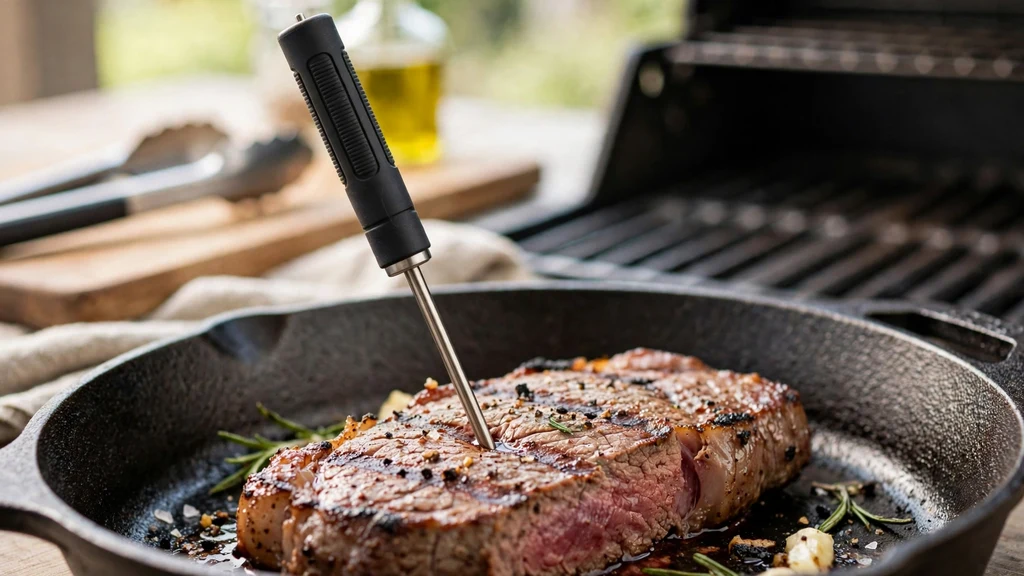
Not all kitchen gadgets are built to withstand sustained high heat, and tossing the wrong tool into a hot roasting pan can ruin both your dinner and your gear. When asking whether you can keep a meat thermometer in the oven, the answer hinges entirely on the exact build of the device you are holding.
Traditional glass-and-mercury or cheap plastic models will shatter or melt almost instantly if subjected to baking temperatures. On the flip side, heavy-duty stainless steel models featuring a specialized probe and a heat-resistant cable are specifically engineered to endure intense heat over long periods.
Manufacturers design leave-in models with braided wire or heavy silicone insulation that shields the sensitive internal wiring from ambient heat. If you use a digital thermometer oven setup, the display unit itself almost always stays outside the hot chamber while only the metal stem goes inside.
Placing the entire plastic display body of a standard digital unit directly onto the oven rack will destroy the circuit board. Always check the manufacturer markings or manual to verify if your specific kitchen tool is rated for continuous high-heat exposure.
Types of Thermometers You Can Leave Inside
Picking the right tool for the job prevents kitchen disasters and ensures your dinner turns out just right. Knowing which devices belong inside a hot roasting environment and which ones belong in a drawer saves you from costly mistakes.
- Leave-in probe thermometers: These feature a thin metal stem connected via a long cord to an external display, making them ideal for long roasts and briskets.
- Traditional dial oven thermometers: These mechanical gadgets sit directly on the oven grate to monitor ambient air, though they aren’t meant to pierce meat.
- Wireless smart probes: Completely cord-free gadgets that handle extreme ambient heat while transmitting data via Bluetooth to your smartphone.
- Instant-read digital pens: These fast readers are built for quick checks and will quickly melt if left inside a closed, hot appliance.
Using the correct category of tool ensures you never have to guess whether your equipment can survive the heat. When you want to monitor a slow-cooking pork shoulder or a holiday turkey, a dedicated leave-in probe gives you continuous feedback without letting precious heat escape every time you open the oven door.
Risks of Leaving the Wrong Device in the Heat
Guessing whether a kitchen gadget is heat-resistant can lead to dangerous and messy outcomes. Exposing standard plastic-cased digital readouts to baking temperatures can cause the casing to warp, leak battery acid, or emit toxic fumes into your food. Glass-faced analog models can crack under thermal shock, scattering tiny shards across your roasting pan and rendering the meal completely inedible.
Beyond ruining your cookware, using the wrong device compromises your ability to track proper food safety guidelines. If a plastic component melts over the sensor tip, your temperature readings will become completely inaccurate, leaving you with undercooked protein that harbors harmful bacteria.
According to food safety guidelines from the USDA Food Safety and Inspection Service, getting an accurate internal reading is your best defense against foodborne illness. Protecting your equipment safeguards your health just as much as it protects your dinner.
How Leave-In Probes Work During Long Cooks
Modern culinary tech has transformed how we handle large cuts of meat, especially during lengthy roasting or smoking sessions. A standard leave-in probe utilizes a thermocouple or thermistor housed at the tip of a stainless steel shaft. This tip measures the thermal energy at the exact center of your roast and transmits that data through a heat-resistant cable to a base unit sitting safely on your counter.
Many of these setups include a programmable alarm that sounds the moment your protein reaches the target doneness. This eliminates the need to constantly open the oven door, which drops the ambient temperature and extends cooking times. Whether you are roasting a prime rib or smoking a brisket, keeping the probe inserted the entire time ensures steady monitoring without heat loss.
Comparing Oven Safe Thermometer Types
Choosing the right monitoring equipment depends heavily on what you are cooking and how you plan to track the heat. Different designs offer distinct advantages for various cooking methods.
| Thermometer Type | Oven Safe? | Best Used For | Key Feature |
|---|---|---|---|
| Instant-Read Digital | No | Quick spot checks | Fast response time |
| Wired Probe Unit | Yes (Probe only) | Roasts and turkeys | External display with alarm |
| Wireless Smart Probe | Yes (Entire unit) | Grilling, smoking, baking | App-connected monitoring |
| Analog Dial | Yes | Monitoring oven air | Clips onto oven racks |
Reviewing these options helps you match your cooking style with the proper hardware. Investing in a tool explicitly rated for continuous heat prevents accidents and guarantees reliable performance meal after meal.
Best Practices for Accurate Temperature Tracking
Getting reliable data from your cooking tools requires proper placement and occasional calibration. You want to make sure the tip rests in the thickest part of the meat, avoiding any dense bone or large pockets of fat that could skew the numbers. Bone conducts heat much faster than muscle tissue, which can trick your monitor into signaling that your food is done when the center is still raw.
Before relying on any device for high-stakes meals, run a simple ice water test to verify its accuracy. Submerge the metal stem in a cup packed with crushed ice and cold water; the display should register right around thirty-two degrees Fahrenheit. If your device is off by more than a couple of degrees, adjust it or replace it to ensure your meals are always cooked to safe and delicious levels.
Common Mistakes to Avoid With Hot Appliances
Even experienced home cooks occasionally make errors that damage expensive culinary gear or ruin a weekend roast. One frequent mistake is letting the heat-resistant cable get pinched tightly in the oven door, which can fray the internal wiring and ruin the unit. Another error is exposing the wire to direct broiler flames, which often exceed the maximum temperature threshold specified by the manufacturer.
You should also avoid plunging a hot metal stem directly into cold water immediately after removing it from the oven. The sudden thermal shock can warp the metal or crack the internal sensors, rendering the device useless for future meals. Always let your equipment cool down naturally before washing it or storing it away in your kitchen drawer.
Troubleshooting Faulty Readings and Equipment Failure
When your trusty monitoring device starts acting up mid-cook, it causes instant panic in the kitchen. Erratic numbers or sudden error messages usually point to a low battery, a loose cable connection, or moisture trapped inside the plug jack. Check the battery compartment first, as weak power often causes digital displays to glitch out under thermal stress.
If the display shows an impossibly high or low number, inspect the cable for any signs of melting, cuts, or kinks caused by slamming the oven door. Replacing a damaged probe is usually much cheaper than buying a whole new base unit, so look for modular replacements if your cable fails. Keeping your equipment clean and dry after every use will prevent most common malfunctions and extend the lifespan of your culinary tools.
Frequently Asked Questions
Can I leave a meat thermometer in the meat while it’s in the oven?
You can leave certain specialized leave-in and wired probe models inside the meat while it cooks. Standard instant-read digital tools lack heat-resistant cables and will melt if left inside a hot roasting environment.
How do I know if my meat thermometer is oven safe?
Check the manufacturer manual or packaging for specific leave-in ratings. If the unit features a stainless steel probe attached to a braided metal cable, it is generally designed to withstand continuous heat.
What happens if you leave a non-oven-safe thermometer in the oven?
Non-safe devices will experience melted plastic casings, ruined electronic circuits, or shattered glass faces. This not only destroys your equipment but can also release toxic fumes into your food.
Can you use a meat thermometer in a smoker or grill?
You can use heavy-duty leave-in probes and wireless smart units in smokers and grills. These robust tools are specifically engineered to handle the harsh, smoky environments of outdoor cooking.
Conclusion
Knowing whether you can keep a meat thermometer in the oven comes down to understanding your equipment and respecting its heat limits. Choosing the right leave-in probe prevents ruined dinners and keeps your cooking accurate.
Take a moment to check your device specifications before your next big roast, and enjoy perfectly cooked meals every single time. Happy cooking!