

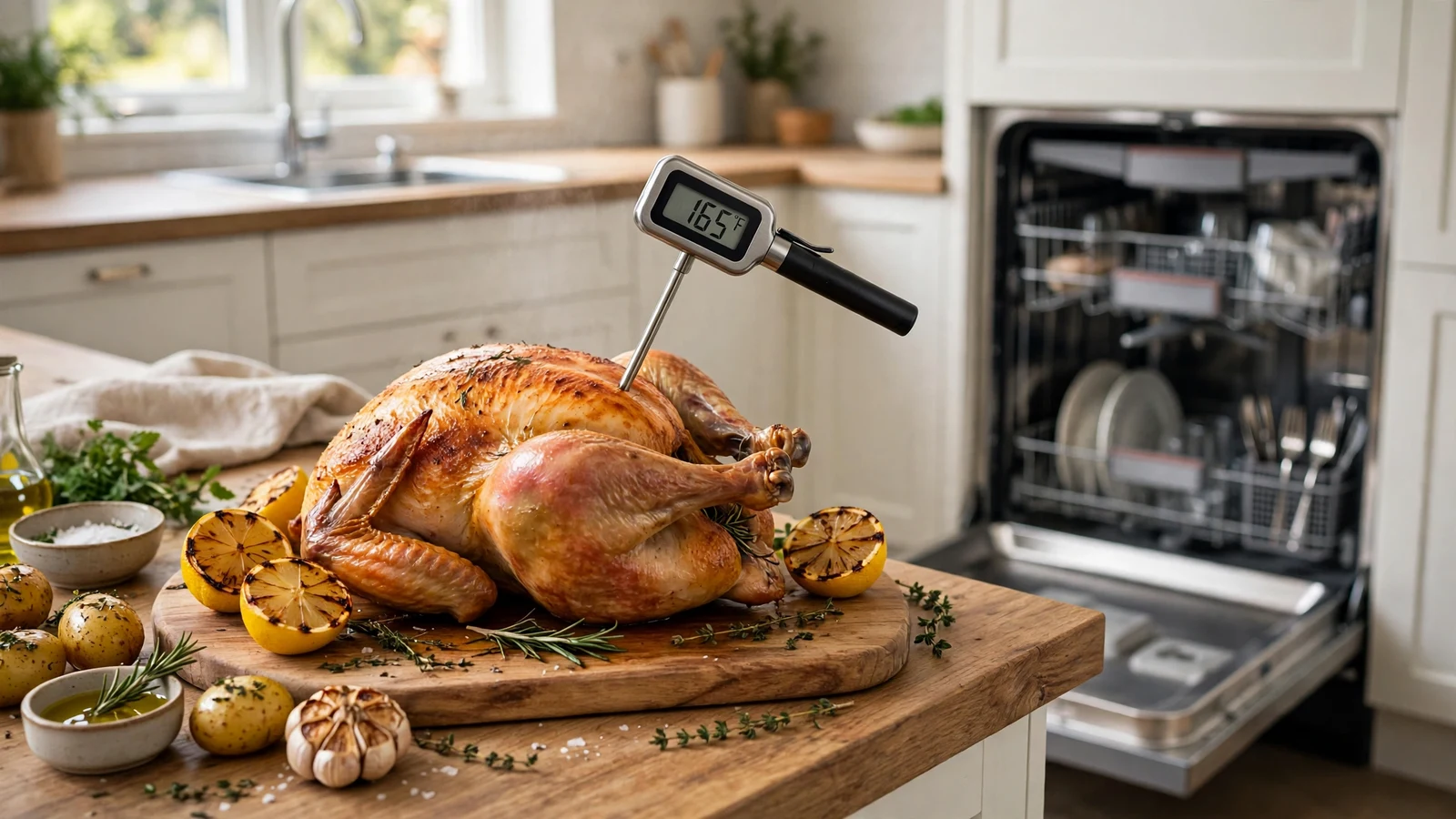
If you have ever stood over your kitchen sink wondering whether can you put a meat thermometer in the dishwasher, you are definitely not alone. It is one of those kitchen gadget dilemmas that seems simple until you remember how sensitive electronic displays and delicate metal probes can be. Tossing your cooking gear into the dishwasher cycle is a massive time saver, but certain tools just cannot handle the heat, water pressure, and harsh detergents.
Getting this wrong means ruined electronics, warped plastic housings, or inaccurate temperature readings the next time you try to check your roast. Let us walk through what happens when these handy kitchen tools meet the washing cycle and how to keep your gear working for years.
Understanding Meat Thermometer Construction
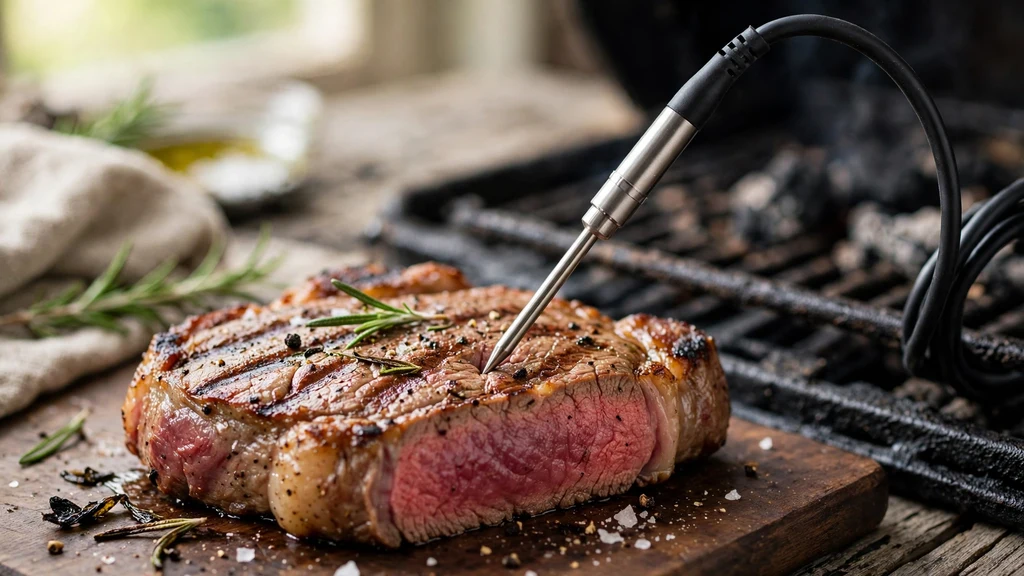
To figure out whether a device can handle an automated wash cycle, you need to understand how it is built. Most modern digital options rely on delicate internal circuitry and thin wires sealed inside a plastic or metal casing. Even if the metal probe looks completely solid, the housing where the battery lives is rarely hermetically sealed.
Water can easily creep past rubber gaskets during a high-pressure washing cycle. High heat from the drying phase can warp plastic bodies and fry tiny LCD screens.
Traditional dial models are slightly different, as they are purely mechanical and use a bimetallic coil rather than a battery. Yet, even those analog devices can trap water inside the dial face, fogging up the glass and ruining the calibration.
Why the Dishwasher Destroys Digital Probes
Putting a digital unit into a washing cycle is a fast track to the garbage can. The combination of scalding water and aggressive commercial detergents creates a hostile environment for electronics.
Water resistance is not the same as being waterproof. Most kitchen tools are rated for quick splashes or hand rinsing, not a prolonged soak under high-pressure spray jets.
* The high water temperature melts or weakens plastic seams.
* Strong dishwasher detergents strip away protective waterproof seals.
* Moisture trapped inside the digital display causes permanent electrical shorts.
* The harsh environment ruins the calibration needed for safe cooking.
The Exception to the Rule
Are there any models that actually survive a run through the machine? A tiny percentage of old-school analog dial options claim to be completely sealed. Check your manufacturer manual before taking any risks, but as a general rule, assume your gear is hand-wash only.
Even if a manual says a device is rated for water immersion, the dishwasher is a completely different beast. The combination of extreme heat and tumbling action can bend the thin metal tip. A slightly bent probe will never sit correctly in your meat again, leading to uneven cooking and inaccurate data.
Proper Hand Cleaning Techniques
Cleaning your cooking tools properly does not require heavy machinery. A simple wipe-down with warm, soapy water is usually all it takes to remove grease and food residue.
Take a damp cloth or sponge with a mild dish soap and wipe the metal stem from the base down to the tip. Avoid submerging the entire digital unit in water, especially the plastic housing or wire connection points.
For stubborn bits of food stuck to the metal, let the tip sit in warm water for a minute before wiping. Rinse the soap away under a gentle stream from the faucet, making sure the upper housing stays dry.
How to Sanitize and Disinfect Safely
Food safety is the main reason we use these tools in the first place, which means keeping them genuinely clean matters immensely. Raw poultry and beef leave behind bacteria that require more than just a quick wipe with a dirty sponge.
Use an alcohol wipe or a cotton ball dipped in rubbing alcohol to sanitize the metal stem before and after you cook. This kills harmful pathogens instantly without exposing the electronics to excess moisture.
If you suspect cross-contamination, a quick dip in a mild bleach and water solution works wonders. Always dry the piece thoroughly with a clean paper towel immediately afterward to prevent rust spots from forming on the metal.
The Danger of Internal Moisture
If water manages to sneak inside your digital gadget, you will usually notice it right away. The screen might flicker, display error codes, or fog up from the inside.
Trapped moisture destroys the internal battery compartment and corrodes the tiny circuit board over time. If this happens, your device is likely toast.
Some people try to save a soaked device by leaving it in a bowl of dry rice overnight. While this sometimes works for phones, the tiny sealed space inside a temperature probe rarely dries out effectively. Replacing an inexpensive gadget is safer than trusting a water-damaged tool with your family’s dinner safety.
Comparing Cleaning Methods
Different styles of cooking tools require different maintenance approaches. Review this quick comparison to see how your specific gear stacks up against various washing techniques.
| Thermometer Type | Dishwasher Safe? | Best Cleaning Method |
|---|---|---|
| Digital Instant-Read | Never | Warm soapy sponge and alcohol wipe |
| Wireless Probes | Never | Hand wash with brush and mild soap |
| Analog Dial | Rarely | Hand wash, avoid submerging the dial |
| Leave-In Oven Probes | Never | Wipe cord and probe, keep plug dry |
Protecting Your Investment for the Long Run
Good cooking gear makes life in the kitchen easier, but it needs a little respect to last. Storing your tools properly is just as important as washing them correctly.
Keep your devices in a dedicated drawer or hang them up where the thin metal tips won’t get bent by heavier utensils. Check out FoodSafety.gov for official guidelines on maintaining safe kitchen hygiene standards.
Avoid wrapping cords tightly around the unit, as this frays the internal wires over time. Treat your tools well, wash them by hand, and they will give you accurate readings for years of delicious meals.
Frequently Asked Questions
Can I wash a meat thermometer in the dishwasher?
No, you should never put a meat thermometer in the dishwasher. The intense heat, harsh detergents, and high-pressure water jets will ruin the internal electronics, warp the plastic housing, and permanently damage the calibration.
What is the best way to clean a meat thermometer?
The best way to clean a meat thermometer is by hand washing the metal stem with warm soapy water and a sponge. Be careful to wipe the device down rather than submerging the entire electronic body in water.
Are meat thermometers waterproof?
Most meat thermometers are water-resistant, meaning they can handle quick splashes or a fast rinse, but they are rarely waterproof. Submerging them in standing water or running them through a dishwasher will cause moisture damage.
How do I sanitize a probe thermometer safely?
You can safely sanitize your probe by wiping the metal stem down with rubbing alcohol or an antibacterial wipe before and after use. This kills harmful foodborne bacteria without exposing delicate internal electronics to excess liquid.
Conclusion
Taking care of your kitchen gear ensures you never second-guess your cooking results. While tossing everything into the automated washer sounds tempting, taking sixty seconds to wash your tools by hand saves you from replacing ruined electronics. Keep your gear dry, sanitize the metal stem properly, and enjoy perfectly cooked meals every single time.