

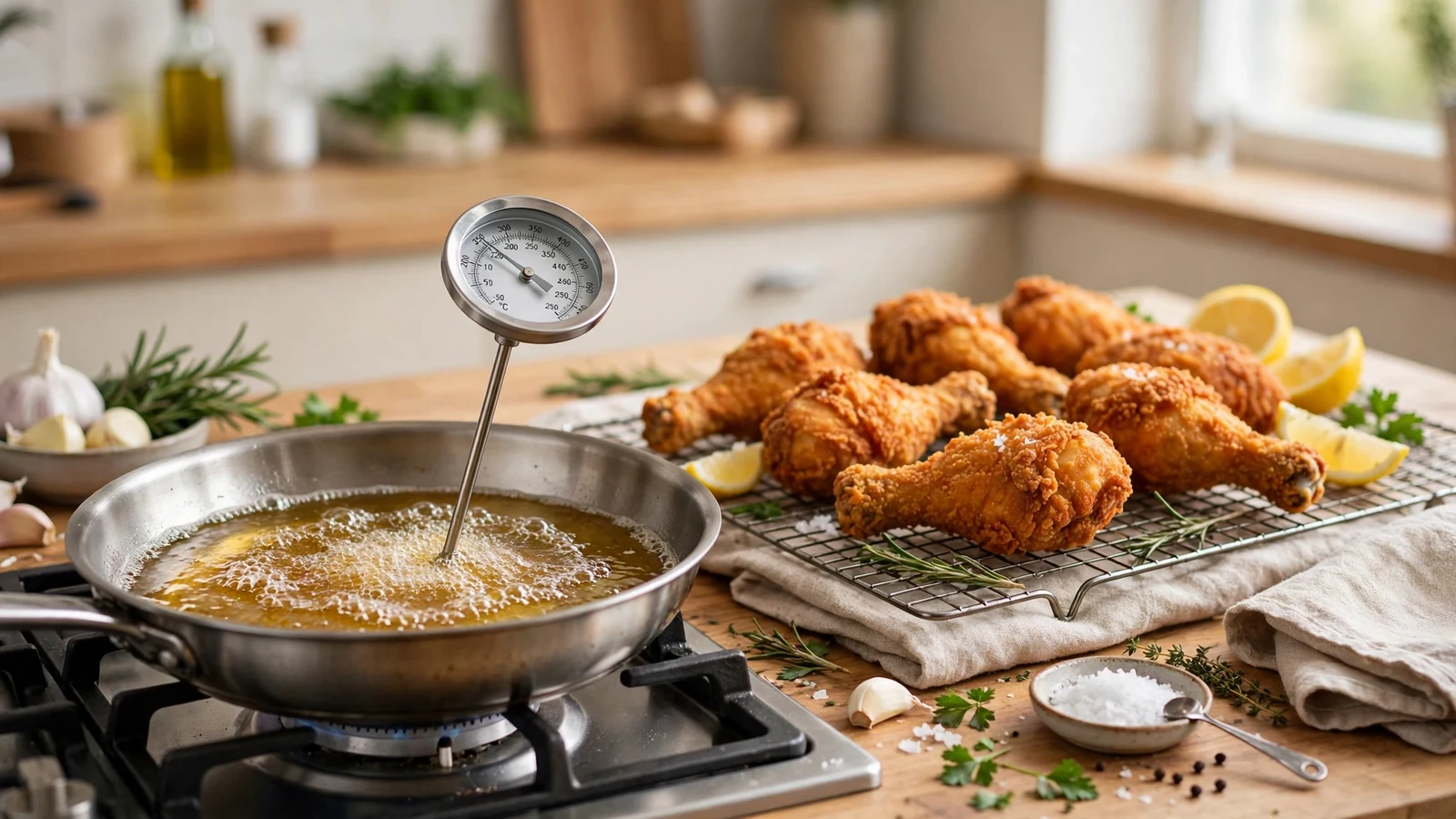
If you are standing over a bubbling skillet of peanut oil wondering whether you can use a meat thermometer to check oil temperature, you are definitely not alone. Many home cooks face this exact kitchen dilemma when a recipe demands precision and specialized gear is nowhere in sight. Deep frying requires exact heat control, and guessing with your bare hands or a piece of bread rarely yields great results.
Let’s dive straight into whether you can pull this off, what risks might be hiding in your utensil drawer, and how to keep your kitchen experiments safe and tasty.
Understanding How Different Kitchen Thermometers Work
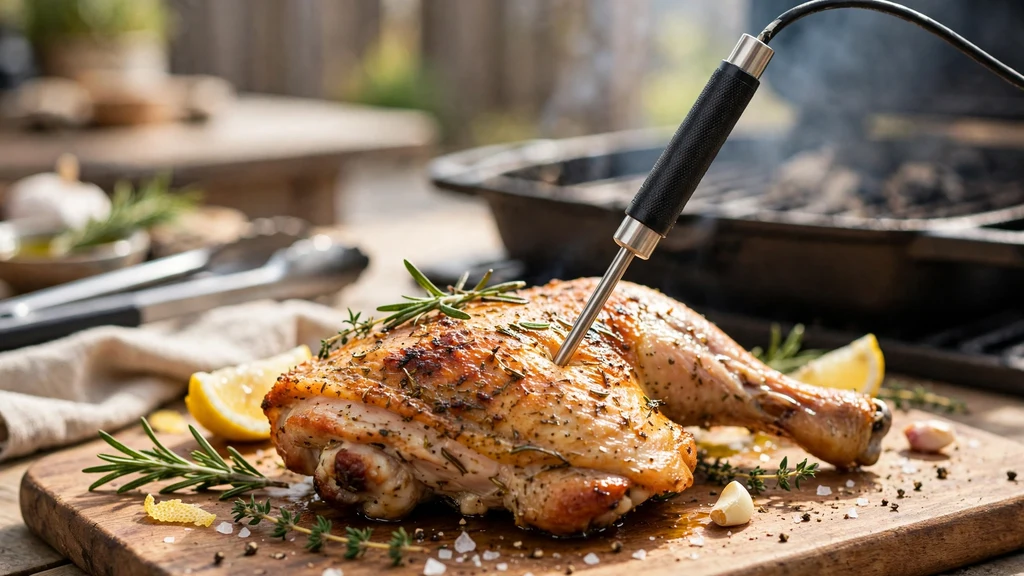
You can use a meat thermometer to check oil temperature, but it depends entirely on the specific model you pull out of your drawer. Traditional dial-faced metal probes and modern digital instant-read tools are built with very different internal components. A standard bimetallic dial thermometer uses a coiled metal strip inside the stem that expands as it absorbs heat.
These tools are engineered to sit inside a roast turkey or a thick pork chop for extended periods in a moderate oven. Frying oil, however, gets dramatically hotter than the interior of a properly cooked piece of poultry.
Digital options often rely on a tiny thermocouple or thermistor nestled right at the tip of the stainless steel probe. These sensors react rapidly to environmental changes, giving you a lightning-fast readout on an LCD screen.
While they excel at tracking the internal temperature of delicate proteins, they have specific thermal limits. Exceeding those manufacturer-specified thresholds can permanently fry the internal electronics, leaving you with a blank screen and a useless gadget.
The Hidden Dangers of Thermal Shock and Glass
Not all meat probes are created equal, and putting the wrong kind into scorching fat can create a dangerous mess. If your kitchen tool features a glass dial face or a traditional mercury-in-glass design, keep it far away from the frying pan.
Thermal shock causes glass to shatter instantly upon contact with boiling liquids or hot oil. A splintering thermometer will ruin your dinner and scatter dangerous shards across your stovetop.
Digital variants with plastic bodies or wired cord connections also present unique melting hazards. If the silicone-coated or braided metal cord resting on the edge of your heavy-bottomed pot slips into the burner flame, the insulation will scorch immediately. Always check the manufacturer guidelines to confirm your device can handle high heat before letting it touch boiling fat.
Dial Versus Digital: Which Probe Survives the Fryer?
When evaluating your options, digital models generally offer a wider temperature range and much faster response times. A cheap dial gauge might take up to a minute to creep upward, leaving your hand dangerously close to spatters while you wait. By contrast, a solid digital probe gives you an accurate reading in under five seconds, minimizing your exposure to hazardous splashes.
Analogue dial units do have one major perk: they usually lack sensitive internal batteries and circuit boards that can melt. Yet their slow response time makes them frustratingly impractical for dynamic cooking environments.
If you want to dive deeper into food safety and proper handling, you can consult guidelines from the Food Safety and Inspection Service for professional insights. Ultimately, speed and safety go hand in hand when dealing with boiling liquids.
Reaching the Ideal Range for Deep Frying
Frying requires precise heat management to achieve that golden, crispy exterior without burning the food or soaking it in grease. Most frying tasks happen between 350 and 375 degrees Fahrenheit.
If your cooking oil drops too low, the food absorbs excess grease and turns soggy. If it climbs too high, the outside burns while the inside stays raw.
Checking this heat level requires a tool that can tolerate the environment without degrading. Meat thermometers usually max out around 200 degrees Fahrenheit when measuring internal doneness, because meat is safely done long before that point. Frying fat easily surpasses 400 degrees Fahrenheit during preheating or accidental flare-ups, which rapidly pushes standard meat probes past their breaking point.
Comparing Frying and Meat Monitoring Tools
To understand why dedicated tools exist, look at how different culinary devices compare across various metrics. The right utensil for the job makes all the difference between a ruined dinner and culinary success.
| Tool Type | Max Temp Limit | Response Speed | Best Application |
|---|---|---|---|
| Standard Meat Probe | Low to Moderate | Slow to Medium | Roasts, Poultry, Chops |
| Candy & Jelly Tool | High | Moderate | Sugar syrups, Deep Frying |
| Infrared Laser Gun | Very High | Instant | Surface checks, Skillets |
Alternative Methods for Gauging Heat Without Specialized Gear
If you discover your meat probe isn’t rated for high heat, you can still test your setup using several reliable kitchen tricks. These classic methods rely on visual and auditory cues to estimate heat levels:
- The Wooden Spoon Test: Dip the handle of a wooden spoon straight down into the center of the liquid. If steady bubbles immediately form and dance around the wood, the heat is ready for frying.
- The Bread Cube Method: Drop a small cube of white bread into the skillet. If it turns golden brown in roughly thirty seconds, your fat is sitting right around 350 degrees Fahrenheit.
- The Popcorn Kernel Trick: Throw a single unpopped kernel into the pan. When it pops, the fat has reached the proper zone for cooking.
Common Mistakes to Avoid Near Hot Oil
Working with boiling liquids demands absolute caution and a healthy respect for physics. Never submerge an unrated electronic sensor completely into a deep pot, as the seal around the probe stem might fail and let moisture ruin the internal circuitry. Keep your hands well clear of the steam path when inserting any tool into a bubbling vessel.
Avoid resting a hot metal probe directly against the bottom or sides of a cast-iron skillet or heavy Dutch oven. The metal surface of the cookware absorbs direct heat from the burner, meaning your gadget will read the temperature of the pot rather than the liquid itself. Always suspend the tip cleanly in the middle of the fluid.
Cleaning and Storing Your Kitchen Gadgets Properly
Once you finish cooking, let your equipment cool down completely before washing it. Plunging a hot stainless steel probe into cold tap water creates localized thermal stress that can warp the metal or crack delicate sensors. Wipe down the unit with warm, soapy water and a soft cloth, then dry it thoroughly.
Store your gear in a dedicated drawer or protective sheath where the delicate tip won’t bend or get crushed by heavier cookware. Proper maintenance ensures your kitchen tools remain reliable, accurate, and ready for your next culinary adventure.
Frequently Asked Questions
Can a meat thermometer melt in hot oil?
Yes, many standard meat probes feature plastic components, rubber seals, or digital screens that will melt or warp if submerged in oil heated above four hundred degrees Fahrenheit.
How do I know if my thermometer is rated for high heat?
Check the manufacturer manual or look for stamps on the stainless steel stem. Candy and deep-fry tools explicitly list high maximum limits, whereas meat probes usually stop much lower.
Can I use a candy thermometer for deep frying?
Candy and deep-fry tools are essentially identical in design and function. Both feature high heat tolerance and adjustable pot clips, making them interchangeable in the kitchen.
What happens if oil gets too hot during cooking?
Overheated fat quickly breaks down, producing acrid smoke, unpleasant flavors, and an increased risk of sudden grease fires on your stovetop.
Conclusion
Checking cooking oil with a standard meat probe is possible only if the tool’s maximum temperature rating exceeds your target heat. Taking a moment to verify your equipment specs prevents ruined gadgets and kitchen accidents.
When in doubt, rely on manual testing tricks or invest in a dedicated deep-fry tool for consistent results. Grab your apron, test your setup carefully, and enjoy crafting your next crispy creation.