

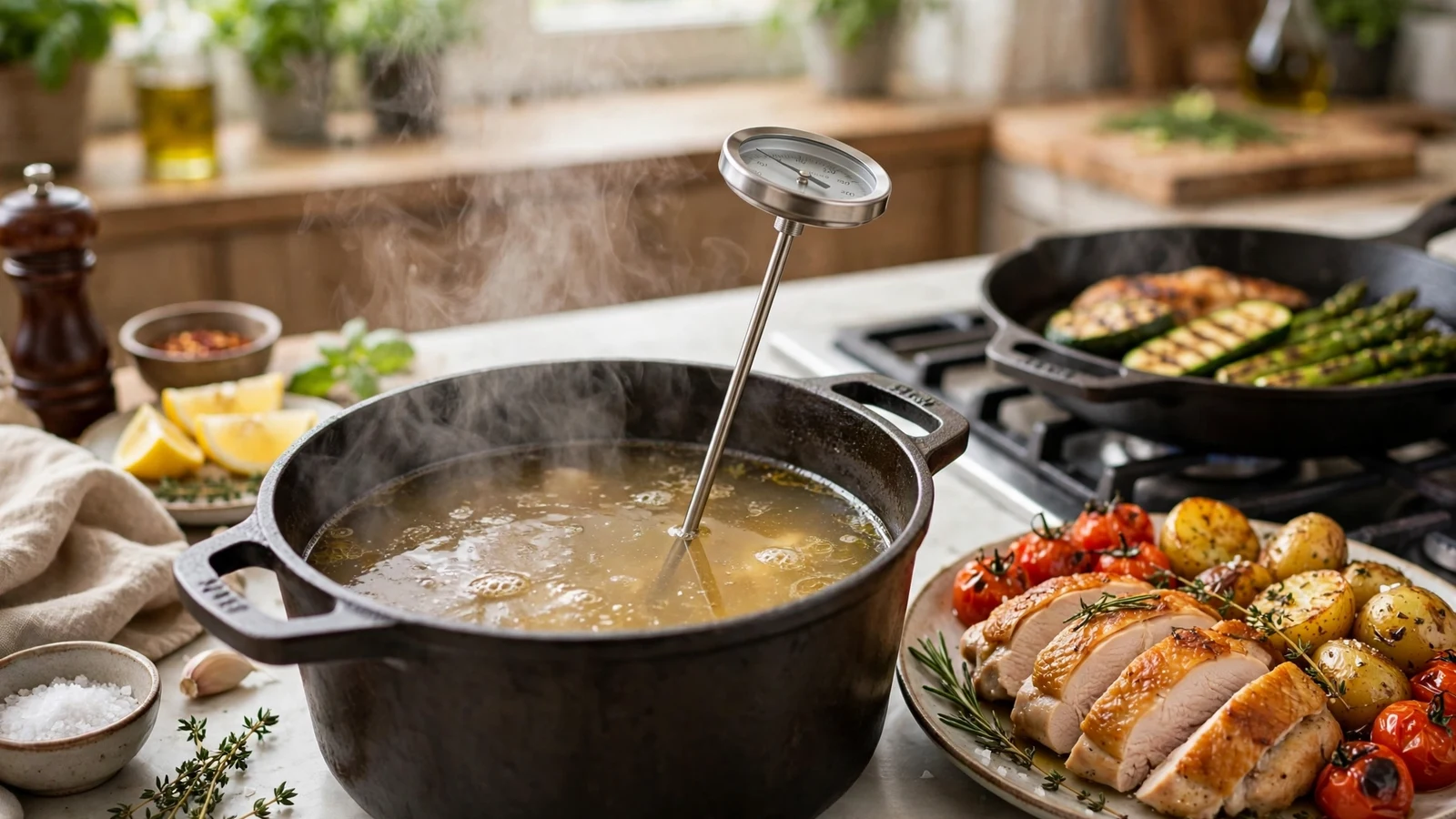
If you are standing over a simmering pot of soup or heating up frying oil and wondering can you use a meat thermometer for liquids, you are definitely not alone in asking. Kitchen tools often look interchangeable, but using the wrong gadget can ruin your dinner or even break your equipment. The short answer is yes, you can dip most modern digital probes into fluids, but you need to know a few ground rules before you start splashing around.
Let’s dive into how these gadgets handle different types of moisture, why specific models matter, and when you really need a specialized tool for your kitchen creations.
Understanding How Probes Work in Wet Environments
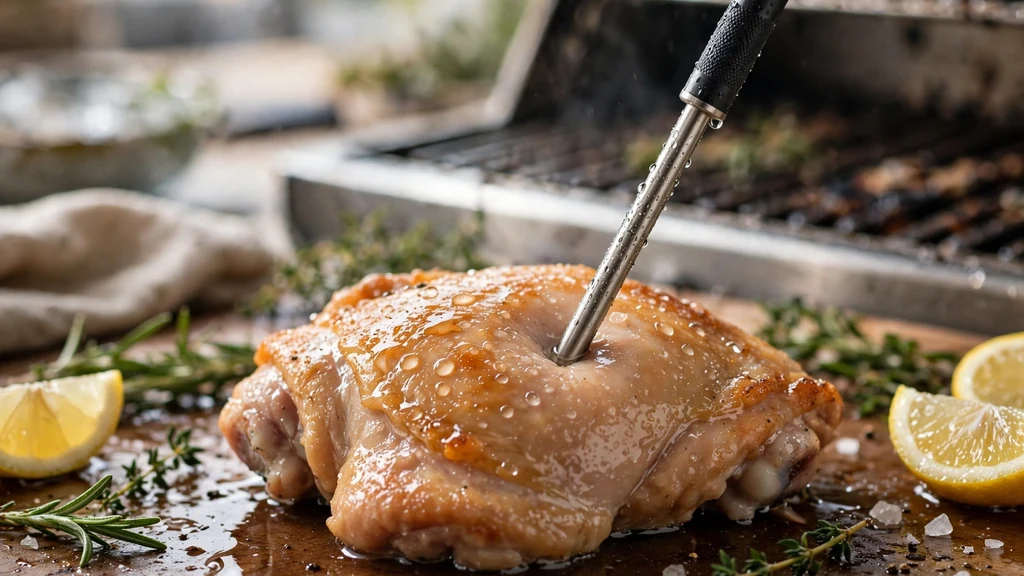
When you stick a meat thermometer into a thick roast, you are measuring the internal warmth of a solid object. Shifting that same probe into a pot of soup changes the physics of how heat transfers to the sensor.
Most digital devices feature a small metal tip at the end of a thin stainless steel stem. That tip houses a thermistor or thermocouple that calculates the temp almost instantly.
Water and other moisture-heavy substances actually conduct heat much faster than dense proteins do. Because of this, you will notice the numbers on your screen climbing at a much faster rate when checking a boiling pot compared to checking a thick steak. You just need to ensure the liquid doesn’t creep up past the rated waterproof line on the stem, otherwise, moisture can ruin the internal electronics.
Can You Measure Boiling Water and Broths?
Checking the warmth of water, stocks, or broths is completely fine for almost any standard digital model. When you want to verify if your pasta water has reached a rolling boil or if your homemade chicken stock has cooled down enough for the refrigerator, your trusty kitchen tool handles the task with ease.
Just hold the stem directly in the center of the pot without letting it touch the bottom or sides of the metal cookware. Those surfaces get much hotter than the liquid itself, which gives you a false reading and makes you think your soup is hotter than it actually is.
Deep Frying and High Heat Challenges
Frying food at high temperatures requires extreme caution, and this is where many home cooks run into trouble with their equipment. While you might wonder if you can use a meat thermometer for hot oil, you have to check the maximum temperature rating on your specific model first.
- Standard digital models often top out around 300 to 450 degrees Fahrenheit, which works for light pan-frying.
- Deep frying frequently pushes past 375 degrees, and many meats never reach that thermal threshold.
- Exceeding the manufacturer limits can permanently melt the plastic housing near the probe or fry the internal circuit board.
If you regularly fry chicken or doughnuts, investing in a dedicated clip-on tool is a smarter move. You can clip it directly to the side of your Dutch oven so you do not have to hover over dangerous, splattering grease just to take a reading.
The Danger Zone with Candy and Sugar Syrups
Making candy or caramel is an entirely different beast compared to boiling water or frying chicken. Sugar syrups reach extreme heat levels that quickly destroy standard kitchen gadgets. When caramel hits hard crack stage, it surpasses 300 degrees and can easily scorch your equipment or cause severe burns if handled incorrectly.
| Thermometer Type | Max Temperature Range | Best Used For |
|---|---|---|
| Standard Digital | Up to 450°F | Roasts, poultry, basic liquids, water |
| Candy and Jelly Tool | Up to 400°F+ | Sugar syrups, caramel, deep frying |
| Infrared Surface Gadget | Up to 550°F+ | Pan surfaces, pizza stones, flat grills |
For precise culinary tasks involving sugar, you really need a proper candy thermometer. These are built to handle prolonged exposure to heavy, boiling syrup without failing or giving you erratic numbers. For further reading on kitchen safety standards, check out the guidelines provided by the USDA Food Safety and Inspection Service.
Why Instant-Read Models Make Liquid Checking Easier
Speed matters when you are stirring a pot on a busy stove. An instant-read digital gadget gives you a precise number in just a few seconds, meaning you do not have to hold your hand over steam for very long.
Older dial-face models take up to thirty seconds to register a stable number, which is agonizingly slow when you are trying to temper chocolate or monitor delicate sauces. A fast response time prevents your arm from getting tired and ensures you catch the exact moment your mixture hits the right stage.
Spotting Waterproof Versus Non-Waterproof Designs
Not all digital kitchen tools are created equal when it comes to moisture resistance. Dropping a non-waterproof device completely into a deep pot of liquid will instantly short-circuit the battery compartment and ruin the screen.
Many modern brands now manufacture heavily sealed units that can survive accidental drops or quick rinses under the faucet. If you plan on using your device frequently for steaming pots, look for specifications that explicitly mention water resistance or heavy-duty casing.
Common Mistakes to Avoid When Testing Liquids
People often make simple errors that throw off their readings or damage their favorite kitchen accessories. Avoid resting the metal tip directly against the bottom of a hot skillet or saucepan, because the direct contact registers the metal heat rather than the substance itself.
Another common mistake involves thermal shock. Plunging a freezing cold metal probe straight out of the freezer into boiling hot liquid can actually crack the sensitive internal sensors due to the sudden temperature swing. Let your tool adjust to room temperature for a minute before dropping it into extreme heat.
Frequently Asked Questions
Can you use a meat probe for making candy?
No, standard meat probes generally lack the high-temperature range required for hard-crack sugar stages. Candy making requires specialized tools that can withstand sustained heat above 300 degrees Fahrenheit without melting or losing calibration.
How do you clean a digital probe after using it in sticky liquids?
Wash the stainless steel stem immediately with warm, soapy water using a sponge or cloth. Never submerge the entire digital body unless the manufacturer explicitly states it is fully waterproof, and always dry it thoroughly before storing.
Will boiling water ruin a digital meat thermometer?
Briefly checking boiling water will not ruin a quality digital model, as water only reaches 212 degrees Fahrenheit at sea level. Just ensure you do not submerge the plastic handle or housing into the boiling liquid.
Why is my digital reading jumping around in hot soup?
Erratic numbers usually happen when the tip touches the hot bottom of the pot or when steam creates condensation inside the sensor housing. Stir the liquid gently and hold the probe suspended in the center to get a stable, accurate reading.
Conclusion
Using a standard food probe for checking simple liquids like water, broth, or milk works just fine in a pinch. You just need to respect the thermal limits of your equipment and keep the digital housing safely away from heavy steam and boiling splashes.
By keeping a few basic safety habits in mind, you can easily expand how you use your everyday kitchen tools. Grab your favorite digital device, test out that simmering broth, and enjoy making your next home-cooked meal with total confidence.