

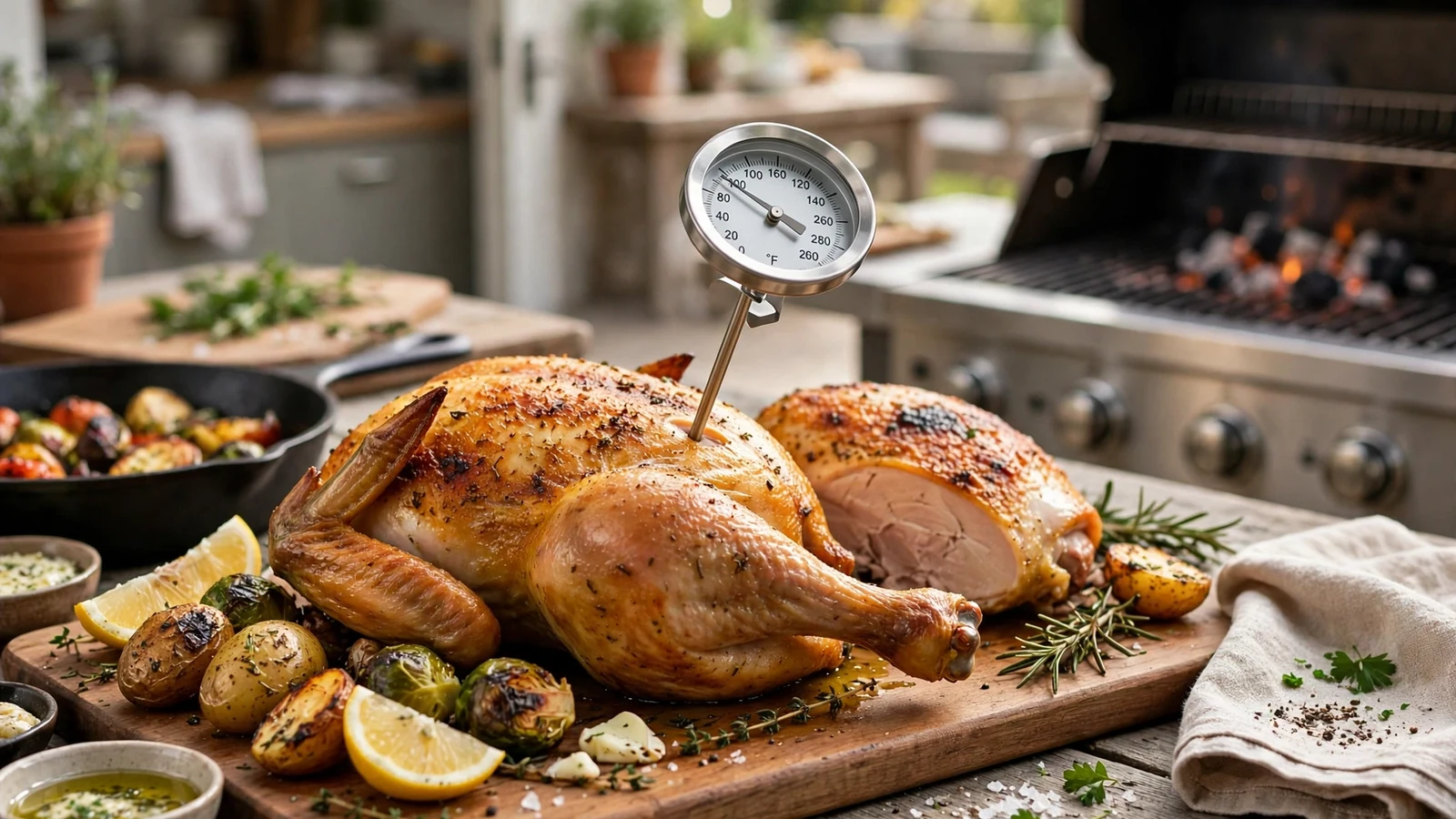
Standing in the kitchen with a turkey in the oven and realizing you cannot find your specialized gadget often leads to a quick panic. People frequently wonder if they can use a regular thermometer for meat when they are in a pinch and need to check dinner.
Relying on a household glass or digital fever checker might seem like a clever workaround, but it usually introduces safety risks and rarely gives you the data you need. Understanding how these tools differ saves you from ruined meals and potential foodborne illnesses.
Why Regular Thermometers Fall Short in the Kitchen
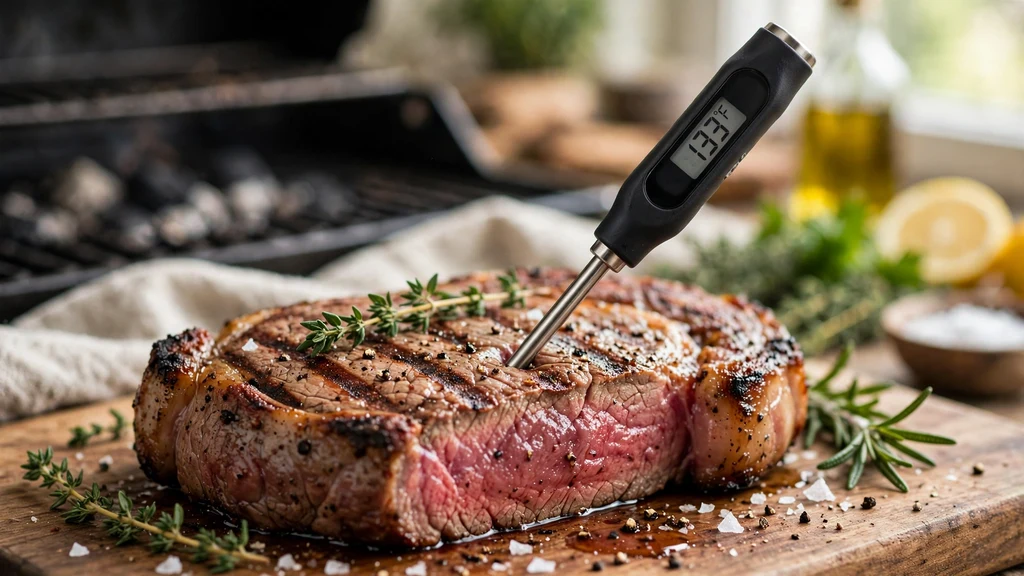
Standard household or medical-grade devices are engineered for completely different environments than a hot oven. When people ask can you use a regular thermometer for meat, they often picture a digital fever stick or an old glass mercury tube.
These items measure a narrow window around human body temperature, usually topping out well below the point where poultry or beef becomes safe to eat. Exposing a standard glass-and-mercury or low-range digital fever checker to oven heat will crack the glass, melt the plastic housing, or destroy the internal sensors almost instantly.
Beyond the structural dangers, these standard household tools are notoriously slow. A medical device might take thirty to sixty seconds to register a stable number, which lets valuable heat escape your oven or grill.
Meanwhile, your roast continues cooking while you wait for a reading, skewing your culinary timing. A true culinary probe is built with a rugged stainless steel stem and fast-acting internal resistors designed to handle direct flame and intense ambient environments.
The Hidden Dangers of Glass and Mercury
Using older glass medical checkers around food introduces an immediate chemical hazard. If you break a glass stem inside a roasting chicken or a thick beef brisket, microscopic shards and toxic elements can easily contaminate the dish.
Even modern glass-free digital fever sticks often contain circuit boards and batteries that release hazardous materials when exposed to high heat. Kitchen-safe equipment features food-grade stainless steel that resists corrosion, cleans easily, and will not shatter under sudden temperature shifts.
Cooking safety standards require absolute precision when evaluating internal doneness. Medical devices are calibrated for the narrow span between ninety-five and one hundred and ten degrees Fahrenheit.
Pushing that same device into a hot steak or a roasting pork loin will immediately max out the display or cause permanent electronic failure. You end up with a blank screen and no way to judge whether your meal has reached a safe zone.
Alternative Ways to Check Doneness Without a Probe
When you find yourself without proper culinary equipment, several traditional kitchen techniques can help you judge progress. The touch test remains a popular method for steaks and chops, letting you gauge firmness by comparing the feel of the meat to parts of your hand.
While this approach takes practice, experienced home cooks use it reliably for beef and lamb. However, this tactile method fails completely with poultry, ground meats, and large roasts where internal texture varies wildly.
- The Touch Test: Press the center of your steak and compare the resistance to the fleshy part of your thumb.
- Color Inspection: Piercing the thickest part to check juices works for some items, though clear juices do not guarantee safety.
- Cooking Time Charts: Relying on strict per-pound schedules provides a baseline, though oven variations change the equation.
- Visual Cues: Watch for bone exposure and skin shrinkage on whole birds as basic indicators of progress.
- Resting Period: Letting food rest off the heat allows residual cooking to finish the process safely.
Another reliable fallback involves cutting into the thickest part of the food to inspect the interior color and texture. While this lets out valuable juices and alters the presentation, it remains safer than guessing blindly or using an unsafe household device. For official guidelines on safe cooking thresholds, consult the United States Department of Agriculture food safety portal for verified baseline figures.
Comparing Culinary and Household Measurement Tools
Different measuring instruments serve distinct purposes in your home, and crossing those boundaries usually leads to poor results. The table below outlines how culinary probes compare to standard household alternatives across key performance metrics.
| Feature | Culinary Probe | Medical Fever Device | Candy / Deep Fry Tool |
|---|---|---|---|
| Max Temperature | Up to 550°F+ | 110°F – 120°F | 400°F – 500°F |
| Response Time | 2 to 5 seconds | 30 to 60 seconds | Instant to fast |
| Material | Food-grade stainless steel | Plastics and glass | Glass or heavy metal |
| Oven Safe | Yes (selected models) | No | Yes (clip-on styles) |
Why Placement Matters for Food Safety
Getting an accurate reading requires hitting the exact center of the thickest muscle mass without touching fat, gristle, or bone. Bone conducts heat much faster than muscle tissue, which will give you a falsely high reading and lead you to pull your roast too early. Similarly, poking straight into a pocket of pure fat will skew your numbers because fat renders and heats at different rates than protein.
When handling poultry, always target the thickest part of the breast or the inner thigh without letting the tip rest directly against the bone. For thin cuts like pork chops or fish fillets, sliding the probe in horizontally from the side ensures the sensing element sits right in the middle. Proper placement prevents undercooking and eliminates the guesswork that ruins holiday dinners.
Understanding Different Culinary Devices
The market offers several specialized gadgets designed specifically for kitchen tasks. Instant-read digital models give you a fast update within seconds, making them ideal for checking multiple items on a grill.
Dial models with large glass faces work well for leaving inside a slow-roasting turkey throughout the entire cooking cycle. Wireless remote options let you monitor your smoker from across the yard without opening the lid.
Choosing the right hardware depends entirely on your cooking style. Bakers and confectioners rely on high-heat glass tubes for sugar work, while grill masters prefer rugged digital wands with waterproof bodies. Keeping a dedicated culinary tool in your drawer ensures you never have to scramble for unsafe alternatives when dinner time arrives.
Common Pitfalls in Kitchen Temperature Management
Many home cooks make the mistake of leaving a digital instant-read probe inside the oven while the door stays closed. Most digital instant-read models contain plastic components in the casing that will melt under prolonged ambient heat. Only leave-in probes designed with braided steel cables and high-temperature silicone handles should stay inside a hot oven or smoker.
Another frequent error involves failing to calibrate your equipment periodically. Testing your device in an ice-water bath and a boiling-water bath ensures your readings stay accurate over years of heavy use. A quick calibration check takes less than a minute and prevents culinary disasters caused by drifting sensors.
Frequently Asked Questions
What happens if you put a medical thermometer in the oven?
The plastic casing will quickly melt, the internal glass or electronics will break, and toxic chemicals or mercury could contaminate your oven cavity and ruin your food entirely.
Can you use a candy thermometer for meat?
Yes, because candy tools handle high heat, but their long glass stems and slow response times make them clumsy and dangerous to maneuver inside roasting pans.
How do you check meat temperature without any tools?
You can use the tactile thumb firmness test for steaks or slice into the thickest part of the meat, though this releases flavorful juices.
Is it safe to leave a meat thermometer in while cooking?
Only if the device is specifically rated as a leave-in oven-safe probe. Standard digital instant-read models will melt if left inside a hot roasting environment.
Conclusion
Reaching for a household fever checker or a glass candy tube during meal prep creates unnecessary risks and rarely delivers the precision you need. Investing in a dedicated culinary probe protects your health and guarantees consistently delicious results for every dinner you host. Take a moment to stock your kitchen with proper tools so you can cook with absolute confidence.