


Cooking a whole bird for a holiday feast brings plenty of pressure, but nothing ruins a festive gathering faster than slicing into dry meat or, worse, undercooked poultry. Mastering how to check a turkey with a meat thermometer is the single best way to guarantee success in the kitchen, taking the guesswork entirely out of your holiday routine. Instead of relying on unreliable visual cues or archaic timing charts, you can ensure your centerpiece is safe to eat while remaining wonderfully juicy.
Getting this right requires understanding not just target temperatures, but exact placement inside the bird. Let’s look at how to master this essential culinary skill without any fuss.
Understanding Meat Thermometer Types for Poultry
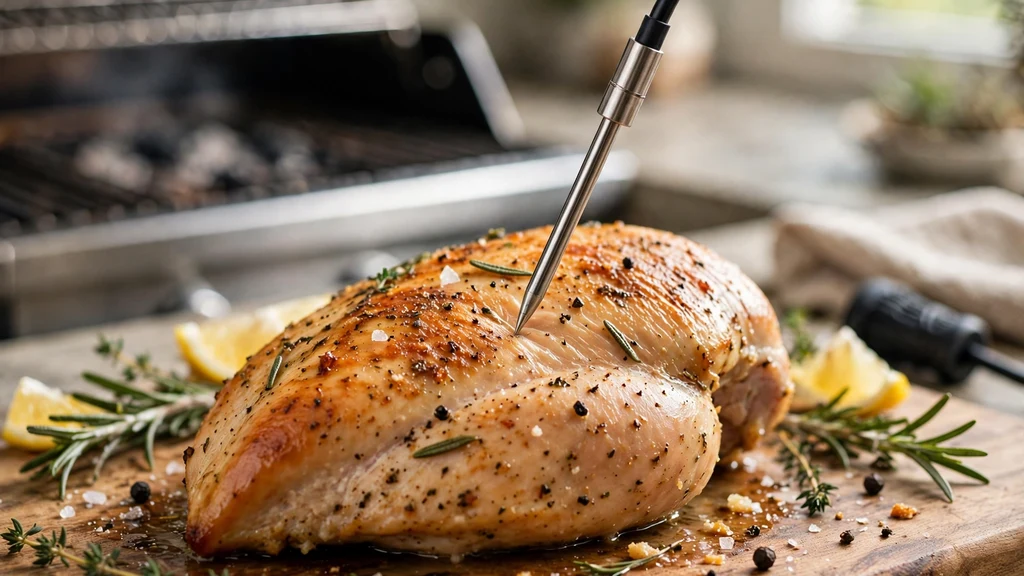
Before you even touch the bird, you need the right tool for the job. Not all thermometers are created equal when roasting poultry.
An instant-read digital model gives you a reading in seconds, making it ideal for quick checks near the end of your cooking time. Dial-face options take longer to react and often require inserting a much wider probe deep into the meat.
Leave-in digital models feature a heat-resistant cable connected to an external display, letting you monitor the internal temperature continuously without opening the oven door. This style prevents heat loss and keeps your roasting environment stable. Whichever device you use, make sure it is properly calibrated in ice water before the big day arrives.
Finding the Right Placement Spots on the Bird
Where you insert your probe matters just as much as the reading itself. The thickest part of the thigh is the primary target because dark meat takes longer to break down and cook safely than white meat. Slide the probe into the meatiest section of the leg, taking care to avoid the bone, which conducts heat and gives a falsely high reading.
Once you verify the leg is heading in the right direction, check the turkey breast. This delicate white meat dries out quickly if overcooked.
Insert the probe into the deepest section of the breast lobe, staying well away from the cavity wall and ribs. If your placement hits the skeletal structure, pull back slightly and try again.
The Golden Rule for Turkey Temperatures
Food safety guidelines dictate specific minimums for poultry. You want the deep thigh meat to register at least 165 degrees Fahrenheit, though many cooks prefer letting dark meat climb to 175 degrees because the connective tissue renders down better at higher ranges. The breast meat should hit 165 degrees Fahrenheit for optimal juiciness.
Keep in mind that carryover heat will continue cooking your roast after it leaves the heat source. Pull the bird from the oven when it sits just a few degrees shy of your target. To learn more about safe handling standards, visit the USDA Food Safety and Inspection Service for official guidelines.
Step-by-Step Instructions for Taking the Reading
When you suspect your centerpiece is nearly finished, slide the oven rack out slightly to protect your hands from the heat. This gives you a clear angle for your insert thermometer technique. Never plunge the metal stem blindly; aim with steady, controlled pressure.
- Clear away any foil tents or basting racks that might obstruct your access.
- Hold the probe parallel to the side of the roast for the thigh check.
- Wait for the digital display to stabilize completely, usually taking five to ten seconds.
- Repeat the process in a second location to verify consistency across the entire whole turkey.
- Wipe the metal stem clean with hot, soapy water immediately after testing.
Common Mistakes to Avoid While Checking Your Roast
Even experienced home chefs sometimes mess up temperature readings by making simple errors. The most common mistake is letting the metal tip touch the roasting pan instead of the flesh. A pan reading reflects metal temperature, not the actual doneness of your food.
Another pitfall is checking only one spot and assuming the entire animal is done evenly. Heat distribution inside a roasting cavity can vary wildly based on air circulation and stuffing density. Always test multiple zones, including both sides of the breast and both legs, to ensure uniform doneness before serving your thanksgiving dinner.
Comparing Poultry Monitoring Tools
Choosing the right hardware makes the process much smoother. Here is how standard options compare:
| Thermometer Type | Response Time | Best Use Case | Leave-In Capable? |
|---|---|---|---|
| Digital Instant-Read | 3-5 seconds | Spot-checking at the end of roasting | No |
| Leave-In Probe | Continuous | Active monitoring through the whole cook | Yes |
| Traditional Dial | 15-30 seconds | General kitchen tasks, backup option | No |
Why Resting Matters After the Temperature Check
Once your instrument confirms the target numbers, your job isn’t quite finished yet. Letting the roast rest on a carving board for twenty to thirty minutes allows the muscle fibers to relax and reabsorb their natural juices. If you carve immediately, all that moisture pools onto the board instead of staying in the slices.
Leave your foil tent loosely draped over the top during this resting phase. The internal temperature may rise another five degrees during this period, perfecting the texture of both white and dark meat. Patience here pays off in a dramatically better dining experience for your guests.
Frequently Asked Questions
Where do you put the meat thermometer to check a turkey?
Insert the probe into the thickest part of the inner thigh muscle, making sure you avoid touching any bone. For white meat, place it into the deepest part of the breast lobe, staying well away from the cavity hollow.
Is turkey done at 165 or 180 in the oven?
The safe minimum internal temperature for all parts of poultry is 165 degrees Fahrenheit. However, many cooks prefer letting the dark meat in the thigh reach 175 degrees for a more tender, less rubbery texture.
How do I tell if my turkey is done if I don’t have a thermometer?
Without a reliable probe, you can pierce the thickest part of the thigh with a skewer or paring knife and check the juices. If the juices run completely clear with no trace of pink, the bird is likely finished.
Can you leave a meat thermometer in a turkey while it’s cooking?
You can leave oven-safe digital probe models inside the bird throughout the entire roasting process. Never leave a standard dial instant-read model inside a hot oven, as the plastic and glass components will melt.
Conclusion
Checking your holiday centerpiece with precision transforms a stressful kitchen chore into a foolproof task. By focusing on correct placement and respecting safe temperature thresholds, you eliminate the risk of dry or undercooked meals. Grab your tools, double-check those numbers, and enjoy a fantastic meal with the people you love.