


Mastering how to check meat temp with thermometer readings ensures your meals turn out safe and juicy every single time. Guessing whether a cut is done based solely on looks often leads to dry poultry or undercooked steaks.
By learning use of these tools properly, you eliminate the guesswork in the kitchen. Let us break down everything you need to know about getting an accurate temperature reading.
Understanding Your Kitchen Tools
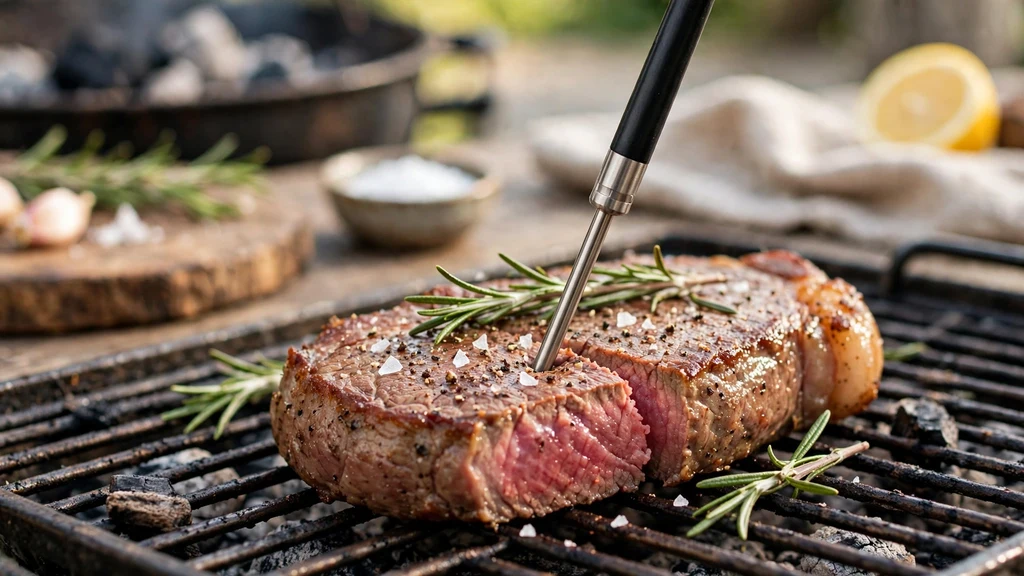
Selecting the right gear matters immensely before you even start cooking. Various thermometers serve different purposes, and knowing your options helps you make a smart choice. A digital instant-read model gives you a fast readout, while leave-in probes stay inside the meat during the whole cooking process.
Cheap dial thermometers might seem convenient, but they take too long to respond and require calibration. Look for a slim-tip digital device. It leaves a smaller hole in your food and preserves those precious juices.
- Instant-Read Digital: Fast, highly accurate, but cannot stay in the oven.
- Leave-In Probe: Stays in the meat, often connected to an external display with alarms.
- Dial Thermometers: Traditional, slower to react, and harder to read accurately.
Finding the Thermal Center
Where you stick the probe matters just as much as the device itself. You want to target the thermal center, which is the absolute middle of the cut. For most roasts and poultry, this is the deepest part of the muscle.
Avoid hitting fat pockets or direct bone when you slide the probe in. Bone conducts heat much faster than meat, giving you a falsely high reading that might trick you into pulling your dinner too early. If you hit a bone, just pull back slightly and redirect.
Techniques for Steaks and Chops
Thinner cuts like strip steaks or pork chops require a slightly different approach than massive roasts. Because these cuts have less surface area, sliding the probe in from the top can push it right through the bottom into the hot pan.
Instead, enter from the side. Push the probe horizontally straight into the thickest part of the steak.
This ensures the tip rests right in the middle without touching the pan below. For a thick ribeye, this method guarantees your medium-rare target is spot on.
Checking Poultry Safely
Cooking chicken and turkey safely requires vigilance because foodborne illnesses from undercooked poultry are no joke. When you want to check meat temp with thermometer tools on a whole bird, target the thickest part of the breast and the inner thigh.
Make sure the probe does not touch the cavity wall or the backbone. The thigh meat takes slightly longer to cook than the breast, so check both spots. Poultry is safe to consume once it reaches the recommended threshold.
Common Calibration Mistakes to Avoid
Even the best digital models lose accuracy over time if they take a heavy drop on the kitchen floor. Testing your device in ice water is a simple way to check its calibration. Fill a glass with crushed ice, top it with cold water, and stir.
Submerge just the tip of the probe without touching the sides or bottom of the glass. The display should read thirty-two degrees Fahrenheit or zero degrees Celsius. If it is off by more than two degrees, adjust it or replace the unit.
For more details on food safety standards, you can review guidelines from the USDA Food Safety and Inspection Service regarding safe minimum cooking temperatures.
Internal Temperature Comparison
Different proteins require distinct targets to balance safety and flavor. Pulling your food a few degrees early allows for carryover cooking while it rests.
| Meat Type | Target Temp (Fahrenheit) | Rest Time |
|---|---|---|
| Beef Steak (Medium-Rare) | 130 – 135 | 5 minutes |
| Pork Chops | 145 | 3 minutes |
| Whole Chicken | 165 | 10 minutes |
| Ground Beef Burgers | 160 | None |
Why Resting Matters After Probing
Pulling your roast or steak off the heat is only half the battle. When meat cooks, the muscle fibers contract and push the juices outward toward the edges. Sticking a probe in creates a tiny channel.
Giving the protein time to rest lets those muscle fibers relax and reabsorb the moisture. If you slice into a steak immediately after cooking, all those flavorful juices run out onto the cutting board instead of staying in your meal.
Frequently Asked Questions
Can you use a regular thermometer to check meat temperature?
No, standard medical or household weather thermometers are not designed to withstand high oven heat and lack the range needed for cooking. Dedicated food probes are engineered specifically for sanitary use and high heat resistance.
Is all meat safe at 165 degrees?
While one hundred sixty-five degrees kills harmful bacteria instantly, many cuts like steaks and pork chops become dry at that level. Beef and pork are safe at lower temperatures if held there long enough to pasteurize.
Can you use a meat thermometer to check a person’s temperature?
You should never use a kitchen probe for medical purposes. Kitchen tools are not calibrated for human body temperature ranges and cannot be easily sanitized to clinical standards after touching raw food.
What do I do if my thermometer is broken?
If your device fails the ice water test or shows erratic numbers, replace the battery first. If fresh batteries do not fix the issue, you will need a new unit to ensure your food stays safe.
Conclusion
Mastering how to check meat temp with thermometer devices changes the way you approach everyday cooking. It takes the anxiety out of dinner prep and guarantees your favorite proteins turn out juicy and safe.
Practice these techniques on your next weekend roast, and enjoy the confidence that comes with precise culinary execution. Grab your probe and start cooking better today.