


If you have ever stood over a blazing smoker wondering how high does a meat thermometer go, you are certainly not alone in needing that specific temperature limit. Knowing your equipment’s boundaries stops you from melting plastic handles in a roaring fire or ruining an expensive piece of steel in a blazing oven.
Most standard digital options comfortably track up to 300 degrees Fahrenheit, while specialized models can withstand much more brutal heat. Understanding these thresholds keeps your cooking tools functional and your favorite meals safe from unexpected kitchen disasters.
Standard Temperature Ranges for Digital Instant-Read Devices
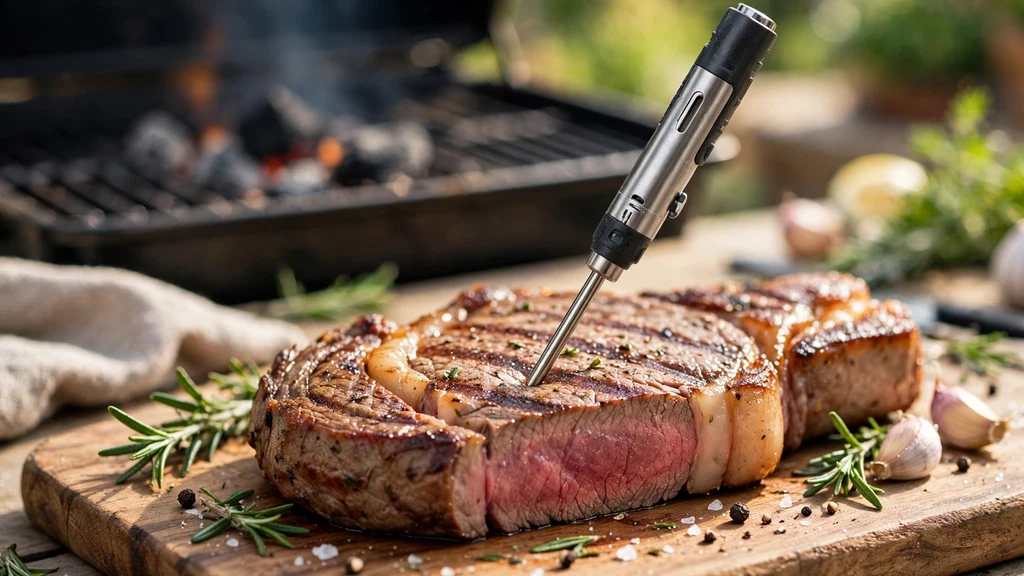
Standard instant–read models typically top out between 300 degrees Fahrenheit and 572 degrees Fahrenheit, which translates to roughly 150 to 300 degrees Celsius. This broad range covers every conceivable culinary temperature from a gentle dairy warm-up to a scorching hot steak sear. When you grab an instant-read thermometer from your kitchen drawer, the manufacturer usually designs the electronic tip to process intense localized heat for a few brief seconds.
You insert the probe into the thickest part of the meat, wait a few seconds for the temperature reading, and then pull it right back out. Leaving these delicate digital units inside a closed hot appliance will quickly fry their internal microcircuits.
The electronic display unit stays safely outside the cooking chamber while only the thin metal stem faces the fire. This design choice protects the sensitive wiring from sustained thermal stress during long roasting sessions.
Leave-In Probe Limits and Oven-Safe Boundaries
Leave-in units handle continuous heat differently because their cords and sensors sit inside the appliance for hours at a time. A typical leave-in meat thermometer or oven-safe device generally withstands ambient chamber temperatures up to about 500 or 700 degrees Fahrenheit, depending on cable insulation. Stainless steel braided cords tolerate higher heat than silicone-sheated alternatives, making them ideal for high-heat roasting and searing.
You can safely monitor a prime rib or a Thanksgiving turkey without constantly opening the oven door and losing valuable heat. However, pushing these boundaries past their rated limit will melt the protective sheath and permanently ruin the sensor. Manufacturers usually print these thresholds directly on the packaging or stamped onto the metal base of the unit, so you always know the exact limits before starting.
Specialized High-Heat Barbecue and Grill Units
Outdoor grilling and smoking environments demand heavy-duty hardware that shrugs off intense localized flare-ups. A heavy-duty grill setup or a wireless meat monitor often features sensors rated for ambient environments reaching up to 750 or even 1000 degrees Fahrenheit. Ceramic-coated probes and flame-resistant kevlar cables prevent the intense radiant heat of a charcoal bed from melting your gear.
When you check the internal temp of a brisket sitting right next to an open flame, standard indoor kitchen gadgets simply melt under that kind of thermal punishment. Upgrading to smart wireless options gives you the freedom to monitor extreme smoking temperatures from your phone while relaxing indoors. These rugged tools are built specifically to endure the harsh conditions of offset smokers, kamado cookers, and open fire pits.
Understanding the Mechanics of Thermocouples and Thermistors
The internal technology dictates how high your equipment can safely register before failing or giving erratic data. Cheaper kitchen gadgets often use thermistors, which lose accuracy or break down when exposed to extreme environmental extremes. High-end culinary tools utilize thermocouples, which generate a voltage dependent on temperature differences between two junctions.
This scientific distinction is precisely why professional chefs rely on thermocouples for lightning-fast feedback during high-heat cooking. A quality meat thermometer using thermocouple technology can read extreme heat spikes without degrading the internal sensor over time. Understanding this underlying tech helps you select the best meat monitoring equipment for your specific cooking style, whether you bake bread or sear steaks.
Maximum Limits of Analog Dial Models
Classic analog dial units rely on bimetallic strips that mechanically expand and contract to move the pointer across the face. These mechanical gauges typically max out around 220 degrees Fahrenheit for pantry use or stretch up to 500 degrees Fahrenheit for roasting dials. While they lack the digital precision of modern electronics, they boast incredible durability and require zero batteries to operate.
You can leave certain heavy-duty dial models inserted in a roasting pan for the entire duration of the cooking cycle. They are the original way home cooks managed holiday turkeys before digital screens became standard kitchen countertop fixtures. The main limitation is visual reading speed, as the metal coil takes much longer to react to sudden thermal changes.
| Thermometer Type | Typical Max Temp | Best Cooking Application |
|---|---|---|
| Instant-Read Digital | 572°F (300°C) | Quick checks on the stove or grill |
| Leave-In Wired Probe | 500°F – 700°F | Long oven roasts and slow smoking |
| Analog Dial Gauge | 220°F – 500°F | Basic roasting and deep-frying |
| High-Heat Grill Probe | 1000°F (538°C) | Direct flame grilling and offset pits |
Danger Zones and Why High Limits Matter
Cooking safety relies entirely on knowing exact thresholds to make sure harmful pathogens are destroyed during the preparation process. Poultry must reach a safe internal standard of 165 degrees Fahrenheit, while beef roasts and steaks can range anywhere from 125 to 160 degrees depending on preference. If you want to dive deeper into official safety guidelines and pathogen reduction charts, you can read more about safe cooking temperatures through the USDA Food Safety and Inspection Service.
Having equipment that accurately measures these thresholds ensures you never undercook a meal or accidentally ruin expensive proteins by overestimating heat exposure. When dealing with delicate cuts, precision matters just as much as knowing the absolute maximum limit of your hardware.
Common Mistakes That Destroy High-Heat Equipment
Even the most expensive culinary tools will fail prematurely if you expose them to conditions beyond their engineered threshold. Submerging a hot stainless steel stem directly into ice water can crack the internal glass seals through thermal shock. Another frequent mistake involves resting the plastic housing or cable wire directly on a blazing hot grill grate instead of the meat itself.
Cable wires are rated for high ambient air, but direct contact with searing cast iron easily exceeds 800 degrees Fahrenheit. Taking proper care of your tools means you will get accurate readings for years without needing constant replacements. Always let your equipment cool down naturally before cleaning them in warm, soapy water.
- Never expose the plastic body of a digital unit to direct oven heat or open flames.
- Avoid wrapping storage cords too tightly, which can break the internal copper wiring.
- Calibrate your devices regularly in an ice bath to maintain absolute precision.
- Clean metal stems immediately after use to prevent grease buildup on the sensor tip.
Frequently Asked Questions
Can I leave my instant-read thermometer in the oven?
No, you should never leave a standard instant-read device inside a heated oven or closed grill. The plastic casing and internal digital components will melt or malfunction under sustained ambient heat.
Why is my thermometer reading way too high?
If your device reads an unusually high number at room temperature, the sensor tip is likely damaged or bent. Water damage inside the stem can also cause erratic electronic behavior.
What temperature should chicken reach for safety?
Whole chicken and pieces must reach an internal standard of 165 degrees Fahrenheit to ensure all harmful foodborne bacteria are safely eliminated before serving.
How do I calibrate a digital cooking probe?
Fill a glass with crushed ice and top it off with cold water. Insert the metal tip into the slush without touching the sides, and adjust the readout until it hits exactly 32 degrees Fahrenheit.
Conclusion
Knowing how high your cooking tools can safely go protects your investment and ensures delicious results every single time. Respecting the thermal boundaries of both digital and analog sensors prevents melted plastic, broken circuits, and frustrating kitchen mishaps.
Take a moment to check your equipment ratings before your next big roasting or smoking project. Enjoy your cooking adventures, and always cook with confidence and precision.