

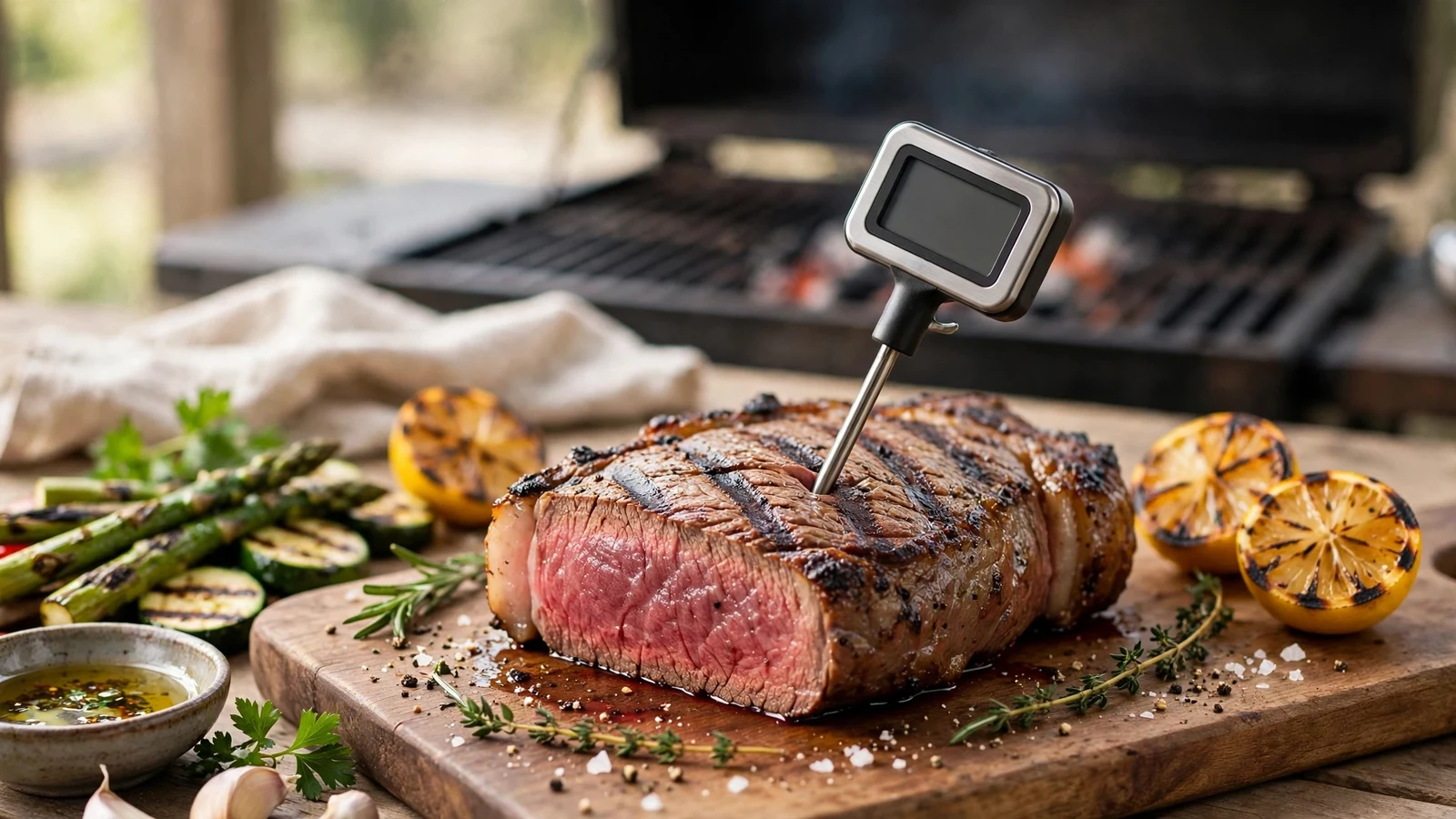
You have a thick ribeye resting on the counter, or maybe a massive Thanksgiving turkey roasting in the oven, and you need to know exactly when it is ready. Figuring out how long does it take a meat thermometer to read can make the difference between a juicy, perfect dinner and a dried-out piece of leather. Different devices operate at wildly different speeds depending on their internal sensors.
Every home cook has stood over a hot stove, watching a sluggish dial creep upward while heat escapes the oven. Understanding your specific tool’s response time lets you minimize how long the oven door stays open and ensures your food remains safe to eat.
Understanding Thermometer Response Times
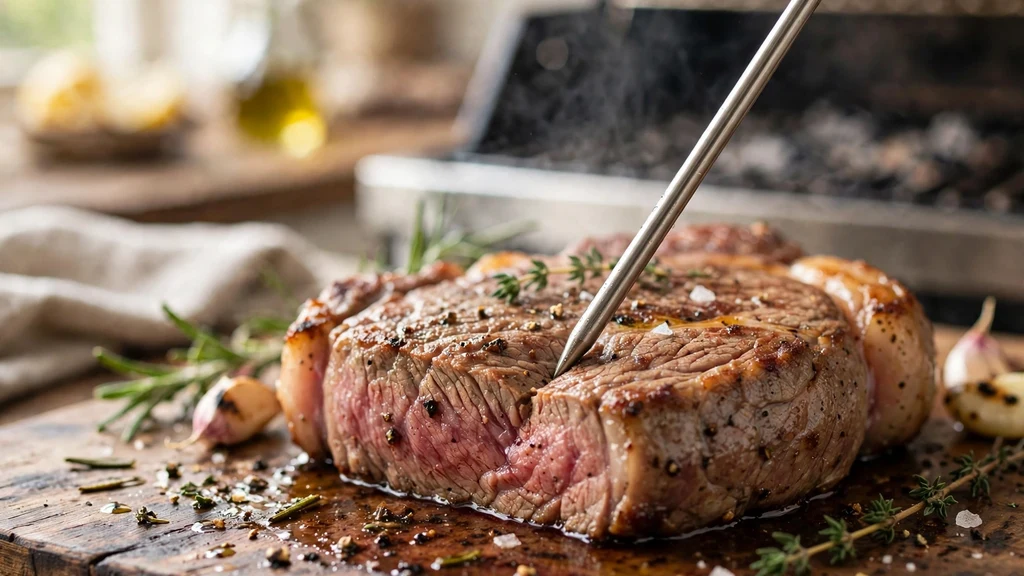
The core factor in how quickly a gadget registers heat is its internal sensing technology. Traditional dial models rely on a bimetallic strip that physically expands and contracts, which takes a leisurely ten to twenty seconds to stabilize. Digital variations use a tiny electrical resistor at the tip, known as a thermistor, which transmits data much faster.
When you look at an USDA kitchen thermometer guide, you’ll see why catching the exact peak temperature is critical for food safety. Cheap spring-loaded models force you to wait while heat slowly conducts up the metal shaft. Premium electronics skip the wait entirely, giving you peace of mind in a fraction of the time.
Digital Versus Analog Speeds
Mechanical dial units are notoriously slow. They require you to plunge the metal stem deep into the roast and wait fifteen to thirty seconds for the pointer to stop moving. Digital versions slash that waiting period down significantly.
Standard digital models usually give a stable number in about four to eight seconds. Top-tier instant-read thermometers display the final metric in just two to three seconds. This speed matters because standing over a hot grill or open oven for half a minute is uncomfortable and drops the ambient cooking temperature.
| Thermometer Type | Average Read Time | Sensor Technology |
|---|---|---|
| Dial Analog | 10 to 30 seconds | Bimetallic coil |
| Standard Digital | 4 to 8 seconds | Standard thermistor |
| High-End Instant-Read | 1 to 3 seconds | Thermocouple tip |
The Role of Thermocouple Technology
If you want blazing speed, you need to understand thermocouples. These advanced electronic tools use two different wires joined at the tip, creating a small electrical voltage that changes with heat. This design allows the tiny sensor at the very end to capture data almost instantly.
You get an accurate temperature reading in two seconds or less. They also feature a tapered tip, meaning you don’t have to stab a massive hole into your steak. Less piercing means less precious juices escape onto the cutting board.
Proper Placement for Accurate Results
Speed means nothing if your placement is wrong. Jamming the stem straight through to the hot pan or resting it against a large bone will completely ruin the measurement. You must locate the true center of the cut, avoiding fat pockets and gristle.
For poultry, target the thickest part of the breast or thigh without touching the bone. Push the metal shaft in deep enough to engage the sensing region, which is usually marked by a small indentation or lives in the final half-inch of the tip.
Key Placement Rules
- Avoid direct contact with bones, which conduct heat faster than muscle tissue.
- Stay away from large pockets of pure fat or gristle.
- Insert the tip squarely into the thickest section of the roast.
- Ensure the sensor isn’t poking completely through the meat into open air or the pan.
Overcoming Environmental Interference
External factors can mess with your electronics and stretch out the response window. Taking a cold tool straight from a kitchen drawer into a blazing 450-degree oven creates a temporary thermal shock for the internal components. High humidity and steam near boiling water can also fog up digital screens or cause erratic digital behavior.
Letting your device adjust to room temperature for a moment helps. Protecting the plastic housing from direct flare-ups on a charcoal grill prevents internal wiring damage.
Testing and Calibration for Reliability
Even the fastest gadget is useless if it tells you lies. Testing your device regularly ensures you aren’t serving undercooked chicken to your family. The ice water method is the gold standard for home cooks.
Fill a glass with crushed ice, top it off with cold water, and stir. Submerge just the tip without letting it touch the sides or bottom of the glass.
The display should hit thirty-two degrees Fahrenheit within a few seconds. If it drifts higher or lower, adjust the calibration nut or use the digital reset button.
Leave-In Probes Versus Instant-Read Tools
Choosing between a leave-in probe and a handheld unit changes how you monitor your dinner. Leave-in wired versions stay inside the roast the entire time it cooks in the oven or smoker. They feature a heat-resistant cable running out to an external digital display on your kitchen counter.
While they take longer to calculate the full profile due to the heavier construction of the cable and probe, they let you track progress without opening the door. Handheld models are meant for quick spot checks at the very end of the cooking process.
Troubleshooting Slow Response Times
Is your digital tool crawling like an analog dial? Low batteries are the number one culprit behind sluggish performance and dim screens. When the battery drops, the internal microprocessor lacks the power to process sensor data quickly.
Another common issue is built-up grease and burnt-on carbon coating the metal tip. Scrubbing the probe gently with warm soapy water restores proper thermal conductivity. Always check the battery indicator before tackling a major holiday roast.
Frequently Asked Questions
How quickly should a meat thermometer read?
A quality digital tool should provide a stable temperature reading in under five seconds. Premium thermocouple models drop that waiting window down to two seconds or less, while traditional analog dial variants can take up to thirty seconds.
Can I leave a meat thermometer in the meat while it’s cooking?
Only if it is specifically designed as a leave-in probe or oven-safe model. Standard digital instant-read tools feature plastic housings and electronic components that will melt or break if left inside a hot roasting environment.
How do I tell if my meat thermometer is working?
Submerge the metal tip in a glass of crushed ice and water. A properly calibrated device will read thirty-two degrees Fahrenheit within several seconds. You can also test it in boiling water, which should register at two hundred twelve degrees.
Can a meat thermometer take a human temperature?
While it technically measures heat, kitchen tools are not calibrated for the narrow range required for human health. They also have thick probes designed for dense food, making them unsafe and uncomfortable for clinical use.
Conclusion
Mastering your cooking tools takes away the guesswork and guarantees safe, delicious meals every single time. Knowing how long does it take a meat thermometer to read helps you choose the right device for your kitchen style and cooking habits. Take a moment to test your current setup, keep the sensor clean, and enjoy perfectly cooked food.