


When you are deep into meal prep, knowing that the stem of a meat thermometer shall be constructed of materials capable of enduring extreme heat and corrosive kitchen environments is vital. Food safety regulations dictate exact material standards for kitchen tools to ensure that dangerous pathogens like E. coli, or Listeria do not contaminate meals. Choosing the right metal protects public health and guarantees your tools last through years of heavy cooking.
Understanding the Regulatory Foundations for Kitchen Equipment
Regulations governing food service equipment are not arbitrary.
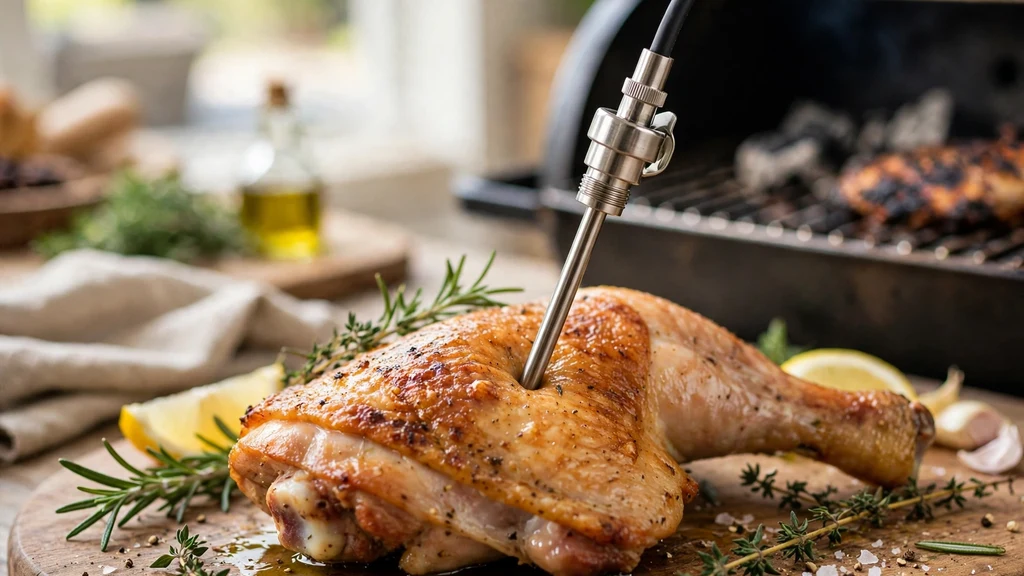
They stem from decades of public health data designed to protect public health. When health inspectors walk into a commercial kitchen, they look closely at the materials touching food. The Regulatory Context in Food Safety demands that every utensil withstand rigorous use without degrading.
Kitchen tools face constant thermal shock, transitioning from ice baths to hot oil in seconds. Materials must resist pitting, cracking, and leaching chemical compounds into meals. Regulatory bodies specify exact alloy compositions for this reason.
Stainless steel consistently meets these strict demands across residential and commercial settings alike.
Why Stainless Steel Dominates Thermometer Construction
Stainless steel is the undisputed king of kitchen probes. This alloy combines iron with chromium and sometimes nickel to create a barrier against rust. When examining equipment specifications, safe instruments always rely on food-grade variants like 304 or 316 stainless steel.
The chromium in the steel reacts with oxygen to form a passive surface layer. This microscopic shield prevents oxidation even when the probe sits in acidic marinades or bloody juices for hours. It does not bend easily under pressure, meaning you can pierce thick cuts without snapping the shaft.
The Danger of Substandard Metals and Plastics
Cheaper alternatives simply cannot handle the rigors of serious cooking.
Using soft metals or improper polymers invites disaster into the kitchen. Melting is a real hazard if a plastic-stemmed device accidentally touches a hot skillet surface or sits too close to direct flames.
Low-grade metals can leach heavy metals into food when exposed to high heat over time. Furthermore, porous materials trap organic matter in microscopic crevices. Once trapped, bacteria multiply rapidly, creating a severe biological hazard that standard washing cannot always eliminate.
Chemical Resistance Against Kitchen Corrosives
Cooking involves harsh substances that quickly ruin inferior metals.
Salt, acids, and sanitizing chemicals attack unprotected surfaces through pitting and galvanic corrosion. A proper thermometer shaft must shrug off lemon juice, vinegar, and heavy brines without breaking down.
Commercial sanitizers are particularly aggressive. Chlorine bleach and quaternary ammonium compounds strip away weak coatings in a matter of weeks. Stainless steel holds its integrity against these cleaning agents, ensuring the probe remains smooth and sanitary over thousands of use cycles.
Performance Across Diverse Cooking Environments
Different cooking methods test thermometer probes in unique ways.
Monitoring deep fryers requires standing up to boiling oil hovering around four hundred degrees. Baking massive roasts pushes the probe into dense muscle tissue under prolonged radiant heat.
Grills present another extreme challenge with open flames and flare-ups. A reliable probe handles ovens, and grills without losing calibration or warping. The thermal conductivity of the metal must also be balanced so it reads internal temperatures accurately without transferring ambient heat down the shaft too quickly.
| Environment | Temperature Range | Primary Material Challenge |
| — | — | — |
| Deep Frying | 325°F to 400°F | Extreme thermal shock and oxidation |
| Roasting | 250°F to 500°F | Prolonged exposure to dense proteins |
| Grilling | 300°F to 700°F | Direct flame contact and flare-ups |
| Chilling | -20°F to 32°F | Brittle stress and moisture condensation |
Proper Cleaning and Sanitization Protocols
Maintaining kitchen instruments requires diligent daily habits. After every use, the probe must be thoroughly wiped down to remove grease and food particles. Cleaning is not just about aesthetics; it prevents cross-contamination between different food items during prep.
You should follow a strict hygiene routine for every tool:
- Wash the metal shaft in hot, soapy water immediately after use.
- Scrub gently to remove any stubborn protein buildup.
- Rinse the entire probe under clean running water to remove soap residue.
- Sanitize the tip using an approved alcohol wipe or chemical sanitizing solution.
- Store the instrument in a clean, dry protective sleeve or case.
Preventing Cross-Contamination in Professional Kitchens
Pathogens transfer easily from raw meat to ready-to-eat dishes via poorly maintained tools. A scratched or pitted thermometer shaft acts as a microscopic breeding ground. If you test raw poultry and then use the same unwashed probe on cooked items, you risk spreading foodborne illnesses.
Proper equipment maintenance involves checking for dents or deep scratches where bacteria hide. Sanitizing protocols must be strictly enforced between every single temperature check. For deeper guidance on professional food safety standards, consult the FDA Food Code guidelines.
Long-Term Durability and Investment Value
Buying a quality thermometer saves money over time.
Cheap models fail quickly when their internal wiring snaps or their stems bend out of shape. Premium stainless steel options endure daily abuse in busy kitchens for years without losing accuracy.
Investing in robust construction means fewer replacements and more reliable cooking results. When you know your equipment is built to exact specifications, you can cook with absolute confidence. The initial cost pays for itself through consistent performance and peace of mind.
Frequently Asked Questions Why must thermometer stems be made of stainless steel?
Stainless steel offers the ideal combination of heat resistance, structural strength, and corrosion protection.
It prevents metal leaching into food and withstands harsh cleaning chemicals without degrading, ensuring long-term safety and accuracy in professional and home kitchens.
Can aluminum be used for a meat thermometer stem?
Aluminum is generally avoided because it is too soft and reacts poorly with acidic ingredients like citrus and vinegar. It bends easily under pressure and can pit or corrode over time, making it unsuitable for rigorous food service environments.
How does cleaning affect the thermometer stem?
Regular washing and sanitizing remove harmful bacteria and organic residues from the metal surface. Using approved sanitizing agents ensures that pathogens do not transfer between different food items during preparation and cooking.
What temperature extremes can a standard probe handle?
Most quality stainless steel probes easily handle temperatures ranging from sub-zero freezing conditions up to five hundred degrees Fahrenheit or more, making them versatile enough for everything from blast chillers to searing hot grills.
Conclusion
Getting the best results in the kitchen starts with using the right gear.
Ensuring that the stem of a meat thermometer shall be constructed of resilient, food-grade metal safeguards every meal you prepare. Clean your equipment regularly, inspect it for wear, and enjoy perfectly cooked food every single time.